
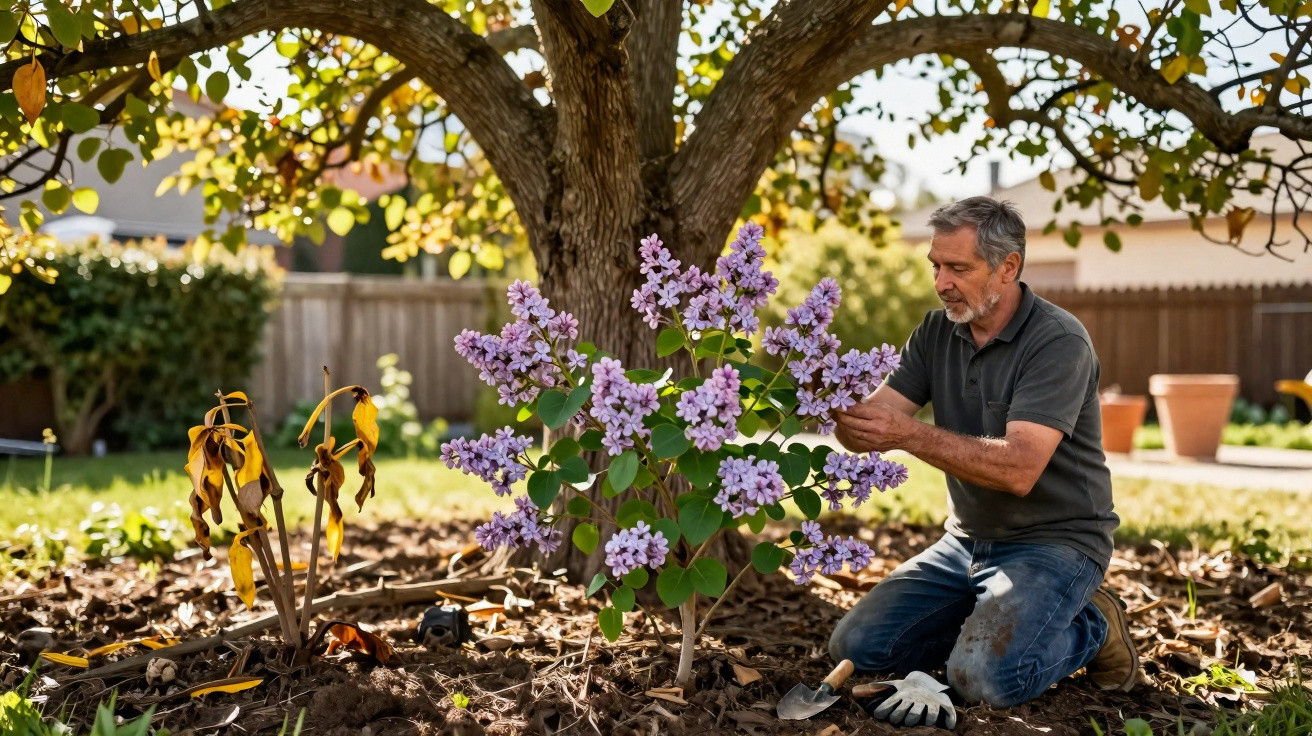
Anyone with a black walnut tree in the garden may know the issue: certain plants become stunted, wilt and simply disappear. The gardener is not to blame; a toxin in the soil is responsible. This becomes particularly interesting with Asiatic lilies. Among the most popular summer-flowering plants, they show a notably robust response to juglone, the notorious compound produced by the walnut family.
What juglone does to your garden
Walnut trees are considered difficult neighbours because of juglone, a naturally occurring toxin produced primarily by black walnut, butternut and English walnut trees. It is present in their roots, bark, leaves and green husks.
As leaves and husks decompose, or rain washes the substances out, juglone enters the soil around other plants' roots. This toxic zone generally extends around 15 to 25 metres from the trunk and can reach further still, depending on the spread of the roots.
Juglone blocks plant-cell respiration – sensitive species often wilt within one to two days.
At a biochemical level, juglone disrupts cellular respiration. The plant is then able to produce less energy; its leaves droop, turn yellow and die. The severity of the effect depends on several factors:
- Soil type: Heavy clay soils retain juglone for considerably longer than sandy soils with good drainage.
- Drainage: Waterlogged conditions prolong root contact with contaminated soil water.
- Concentration: More juglone is released closer to the trunk and root system.
Vegetables in the nightshade family, including tomatoes, peppers and potatoes, are especially sensitive. Rhododendrons, azaleas and many heath-family plants also react strongly. By contrast, numerous spring bulbs, tough perennials and woodland plants cope surprisingly well with juglone.
How Asiatic lilies respond to juglone
There is good news for lily enthusiasts: Asiatic lilies have moderate to good tolerance of soils affected by juglone. They are not invulnerable, but they are markedly more resilient than many other bedding plants.
Trials carried out by colleges, together with practical observations from gardens containing large walnut trees, point to the same conclusion. Asiatic lilies flower reliably within the trees' area of influence provided the site otherwise suits them. Their cells and metabolic processes appear to be less susceptible to disruption from juglone.
Asiatic lilies usually tolerate juglone well enough to grow attractively even within the canopy area of large walnut trees.
Differences can still be apparent, however. Plants in areas with less juglone grow more vigorously, produce more flowers and look healthier overall. Tolerance therefore means that they survive and flower, although they may perform somewhat less strongly than they would in a completely uncontaminated bed.
Comparison: how different lily groups cope with juglone
| Lily group | Assessment of juglone tolerance | Recommended planting area in relation to a walnut tree |
|---|---|---|
| Asiatic hybrids | moderate to good | planting within 15–25 metres is unproblematic with good drainage |
| Oriental lilies | moderate | preferably at the outer edge of the area, in free-draining soil |
| Trumpet lilies | moderate | best positioned at the edge of the affected zone |
| Species lilies | often good, depending on species | frequently possible within the juglone zone as well |
Site, soil and care: helping Asiatic lilies show their strengths
Whether Asiatic lilies succeed beneath a walnut tree depends largely on the growing conditions. Three aspects are crucial: drainage, soil structure and care.
Test drainage before planting
Before planting the bulbs, carry out a straightforward test. Dig a hole roughly 30 centimetres deep, fill it with water and monitor it. If it is still half full after 24 hours, the soil is retaining water. In that case, the lilies need soil improvement or a raised bed.
Asiatic lilies generally prefer water to drain away quickly. This matters twice as much beneath a walnut tree because free-draining soils hold juglone for less time.
Improve the soil purposefully
Improving the soil removes much of the pressure on the lilies. Useful measures include:
- working in generous amounts of compost or well-rotted farmyard manure
- loosening heavy soil with sand and coarse material such as grit
- making planting holes slightly wider and deeper than usual
- planting bulbs 15–20 centimetres above the natural ground level, for example on a small mound
Organic matter encourages soil microorganisms. Some soil organisms can break down juglone more quickly, reducing the burden over time.
Practical tips for lilies in the shade of a walnut tree
Anyone living with a walnut tree can adapt their planting approach rather than giving up on lilies. The following steps are useful in practice:
- Clear fallen leaves, green nut husks and small branches regularly so that they do not rot directly in the lily bed.
- Renew a 5–7 centimetre layer of bark mulch or leaf mould every year.
- Water deeply during prolonged dry spells to dilute and flush juglone through the soil.
- Plant the bulbs around 15–20 centimetres deep so they receive some protection from freshly fallen foliage.
- Watch plants closely during their first year: weak growth, sudden wilting or yellow leaves are warning signs.
The best positions are usually at the outer edge of the tree's root area – there, lilies benefit from partial shade without sitting directly in the centre of the toxic zone.
For extra certainty, grow Asiatic lilies in a slightly raised bed or a large, deep container placed within the walnut tree's root area. This limits their contact with affected soil while still creating a harmonious garden display.
Suitable companion plants for beds affected by juglone
Suitable companions are another part of the puzzle. Around walnut trees, choose species that can also handle juglone and complement the lilies. Good candidates include:
- Hosta varieties for foliage interest and a shaded effect
- astilbes, whose plume-like flowers add structure
- many ferns, which bring a woodland character to the bed
- spring bulbs such as daffodils and snowdrops
The result is a resilient bed in which not every plant collapses at the slightest increase in juglone. When trialling new species, begin with only a few plants and observe their response over one to two years.
Resilient lily species for particularly difficult sites
Alongside Asiatic hybrids, particular species lilies can be suitable for problem areas. Some North American species that naturally grow alongside members of the walnut family have adapted to juglone. These include lilies native to damp woodland and woodland edges.
They suit gardeners wishing to plant very close to an old, large walnut tree and looking for maximum certainty. Combined with Asiatic varieties, they can extend the flowering season and broaden the colour palette.
How to recognise genuine juglone damage
Many garden problems look similar at first glance. A closer inspection helps identify juglone as the cause. Typical indications include:
- apparently healthy plants suddenly wilting within 24–48 hours
- yellow, limp leaves that do not respond to watering
- plants dying along root pathways in the soil
- frequent occurrence directly beneath or beside walnut trees
Nutrient deficiency or drought stress is more likely to cause gradual decline. With Asiatic lilies beneath walnut trees, the usual picture is a combination of slightly slowed growth and occasionally smaller flowers – evidence that they are affected, but not hopelessly overwhelmed.
What gardeners can learn from the juglone issue
Once gardeners understand how juglone works, they can plan more deliberately. Asiatic lilies are among the ornamental plants that continue to perform well despite this chemical pressure. With free-draining soil, regular removal of leaves and attention to water movement, impressive lily beds can be created even in the shade of a powerful walnut tree.
The effect is also biologically interesting: plants such as Asiatic lilies demonstrate that species differ greatly in their ability to defend themselves against their neighbours' “chemical warfare”. For amateur gardeners, this creates an opportunity to use even challenging locations productively rather than accepting them as “dead zones” in the garden.



Comments
No comments yet. Be the first to comment!
Leave a Comment