
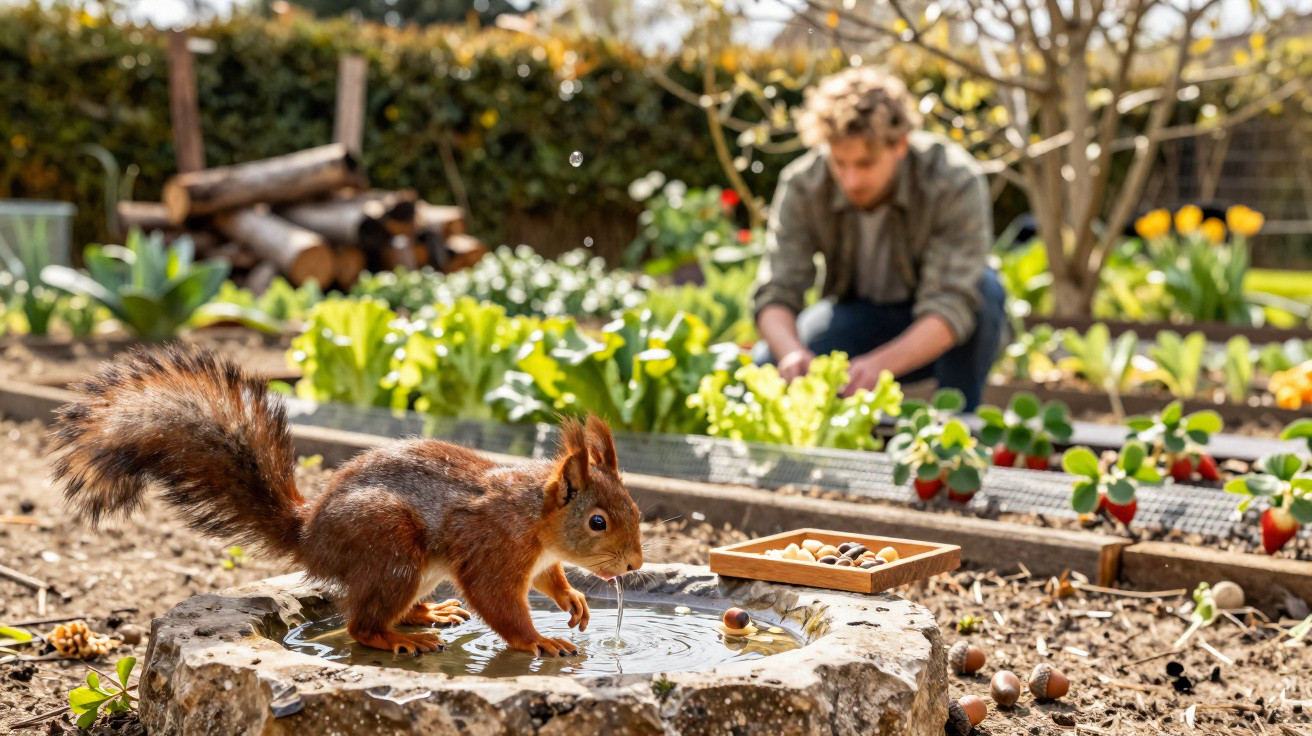
Between vegetable beds, fruit trees and balcony planters, they suddenly appear: darting up a trunk, frantically burying nuts, then vanishing just as quickly. For a long time, squirrels were seen as unwelcome visitors that nibble new shoots and spoil carefully cultivated crops. However, anyone who looks more closely at their behaviour soon discovers that squirrels are not enemies of the garden. They can be remarkably useful helpers, provided they are deliberately given the right space.
From apparent raider to valuable garden ally
How their digging improves vegetable-garden soil
Squirrels create food stores in all sorts of places. They bury nuts, seeds and kernels, and they never recover every cache. This is precisely what makes them so valuable in a thriving garden.
"With every buried and ‘forgotten’ food store, squirrels unknowingly plant new trees and shrubs while also loosening the soil."
Their continual digging provides:
- loose, well-aerated soil
- improved absorption of rainwater
- more earthworms and micro-organisms
- stronger roots for vegetables and ornamental plants
Anyone wishing to avoid chemical fertilisers benefits especially from this natural soil cultivation. The animals take on some of the work otherwise done with a hoe and spade – more quietly, more gently and on an ongoing basis.
Why spring is the ideal time to begin
From around mid-March, squirrels become noticeably more active again. As temperatures rise, their metabolism increases and they begin searching for food, water and secure hiding places. This is the ideal moment to adapt the garden so it offers the animals something without putting beds at risk.
Creating water sources, food-bearing trees and sheltered areas at this stage helps shape the animals’ territory use for the season. They are then more likely to settle in the designated areas rather than digging through vegetable beds or newly planted raised beds.
Water and food: what squirrels genuinely need
A shallow water source can make all the difference
Many gardens provide food but very little water. Particularly on warm days, a simple shallow bowl of fresh water can become a real attraction. The following points matter:
- clean and refill the bowl or small basin regularly
- place it in an elevated, open spot to make attacks by cats more difficult
- avoid overly deep containers so that animals cannot fall in
These water points benefit more than squirrels: birds, hedgehogs and insects will use them too. Gradually, a small and resilient ecosystem can develop around the vegetable garden.
Preventing disputes in the beds with the right tree species
To keep squirrels well fed and content, plant their favourite food providers at a safe distance from the vegetable garden. Particularly suitable choices include:
- hazel shrubs for plentiful nuts
- oak trees with their sought-after acorns
- walnut trees as abundant food stores
- sweet chestnuts for an additional energy supply
- beech trees with nutritious beech mast
These trees provide a buffet over many months. In smaller or urban gardens, a combination of just one or two shrubs and a feeding station is often enough. Suitable options include:
- unsalted sunflower seeds
- walnuts, either in or out of their shells
- acorns and beech mast collected from the park
If this area is stocked consistently and reliably, the animals’ interest in vegetables decreases considerably. Once squirrels have learnt where the “proper” food is available, they can be deliberately steered away from vulnerable beds.
Shelters: a touch of wilderness instead of a sterile garden
Dense hedges rather than razor-sharp edges
Immaculately clipped hedges may look neat, but they offer little cover. Squirrels need protected corridors where they can escape birds of prey and cats, and feed undisturbed.
"A garden edge deliberately left a little ‘wild’ becomes a safe climbing and escape route for squirrels – as well as a refuge for many other species."
It is worthwhile allowing one section of hedge to grow until it becomes dense and layered. The animals can then move through it without constantly being exposed in open view. Adding a nest box at a height of four to six metres completes the arrangement: it offers a secure place to sleep and breed high above the ground, protected from ground-based predators.
Dead wood as premium wildlife housing
In spring, many people clear away every branch and leaf. For nature, this is a loss. A pile of pruned branches, root sections and leaves may look untidy, yet it has substantial benefits:
- Insects, spiders and small mammals can find shelter.
- Squirrels use the structure as a hiding place and climbing area.
- The wood breaks down slowly and returns nutrients to the soil.
Anyone unsure about its appearance can create this dead-wood corner at the back of the plot. The animals will still benefit from it, while the tidier part of the garden remains intact.
Keeping lettuce, strawberries and young plants protected
Securing young plants with simple measures
Newly planted seedlings and delicate shoots are especially vulnerable. One curious swipe of a paw can destroy an entire row of carrots or radishes. The following are particularly useful:
- clear plant cloches or cut plastic bottles placed over individual plants
- small tunnels made from hoops and covering material for whole rows
- removable covers for raised beds
They deter squirrels as well as birds, while still allowing light and warmth to reach the soil. Once the plants have become strong enough, the covers can be removed again – by then, the critical period has passed.
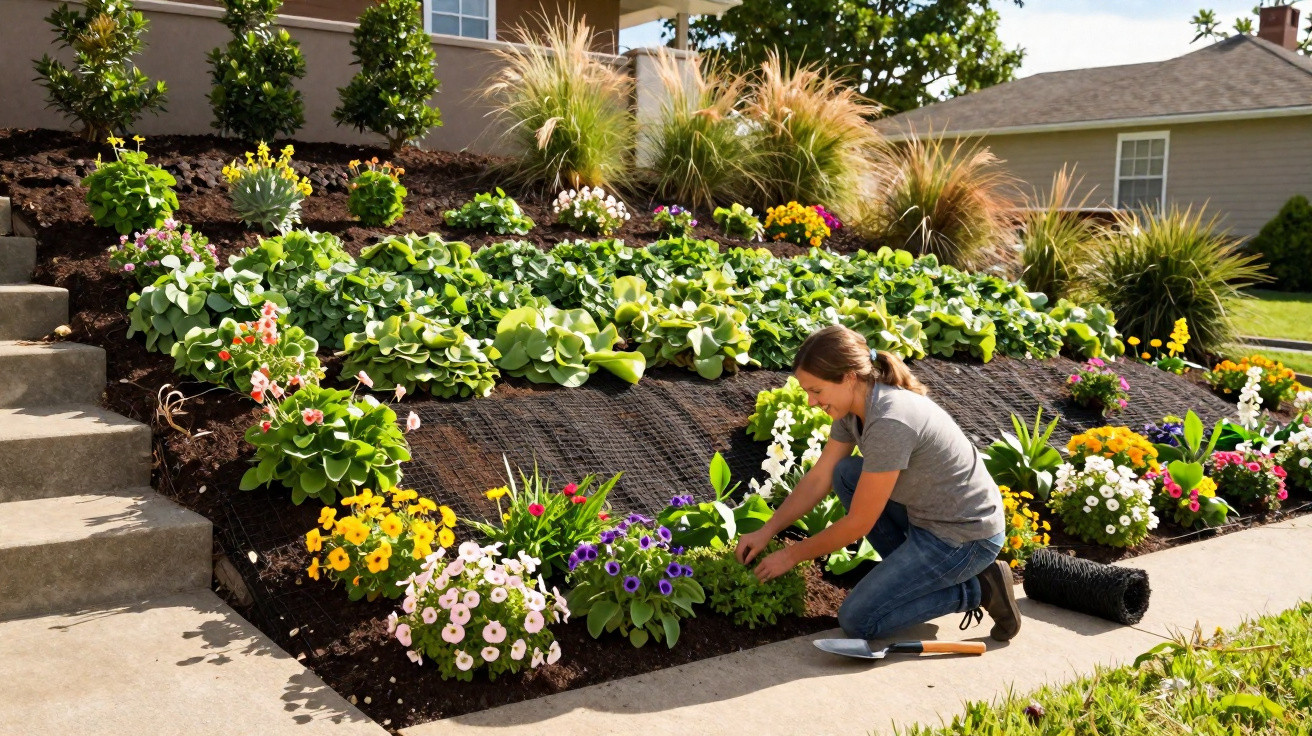
Fine netting over berry bushes
When strawberries, raspberries and redcurrants ripen in summer, they become tempting to many animals. A lightly stretched net with small mesh placed over beds and shrubs is usually sufficient. It is important to secure it in a way that prevents any animal from becoming trapped.
Leaving part of the shrubs uncovered gives wildlife an “open area”, while the main crop can ripen behind the net. Rather than creating a harsh conflict, this allows a form of quiet coexistence.
Recognising balance in a squirrel-friendly garden
When water, food-bearing trees, dead-wood corners and protected vegetable areas are combined, the situation changes: squirrels will favour the more comfortable areas and lose interest in the protected beds. Many gardeners find that pesticide use then becomes unnecessary on its own, as more beneficial creatures move in and the system becomes more stable.
Practical everyday tips for a squirrel-friendly garden
How often should you feed, and how much mess should you allow?
A feeding station does not need to be overflowing every day. Small amounts provided at regular intervals are entirely sufficient. This keeps the animals curious and encourages them to continue looking for natural food nearby instead of becoming wholly dependent on people.
A simple rule of thumb helps with the garden’s “mess factor”: one area can be intentionally wild, while another remains orderly. When the space is clearly defined, it quickly becomes easier to accept that part of the plot looks more like woodland than a front garden – and feels healthier for exactly that reason.
Risks worth watching for
As with all wild animals, do not touch or tame them. Squirrels should not be frightened of their surroundings, but they should still be free to choose where they stay. Never place food close to heavily used roads, as this helps avoid unnecessary accidents.
When using food mixes, always choose products that are unsalted and unseasoned. Any leftovers that could become mouldy should be removed. This keeps the feeding station both appealing and hygienic.
Anyone who treats their space as a small refuge for squirrels will quickly notice how much life arrives in a short time. With a little planning, squirrel-free beds and lively wildlife visits can be combined surprisingly well – and the vegetable garden visibly benefits from it.
Comments
No comments yet. Be the first to comment!
Leave a Comment