
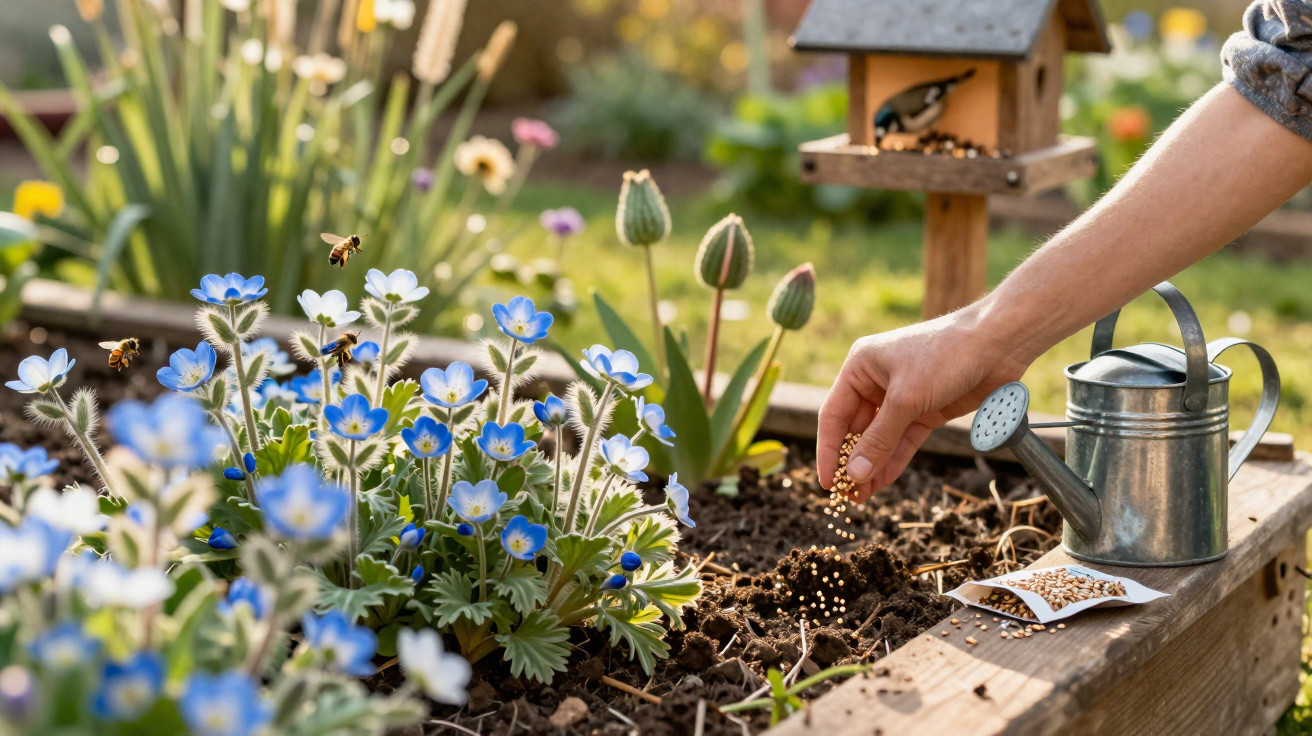
If you reach for seed in early spring, you can enjoy a striking display of colour, fluttering wings and birdsong throughout the summer. One particular annual flower takes centre stage: it is undemanding, ecologically valuable and turns even the plainest beds into a lively miniature habitat for bees, butterflies and songbirds.
The fairytale flower with a veil: what it is
The plant in question is Love-in-a-Mist, more precisely Damascus Love-in-a-Mist (Nigella damascena). It is generally sold simply as “Love-in-a-Mist”. Its defining feature is its fine, thread-like foliage, which forms a green veil around the delicate flowers.
With its filigree leaves, Love-in-a-Mist looks as though someone has drawn a wisp of mist across the flower bed – with blooms shining from within it.
It grows in an airy, upright form, adding lightness to any planting scheme. The foliage resembles dill or finely cut herbs, while its flowers provide clear highlights in rich blue, soft pink or simple white, depending on the variety. This combination is ideal for naturalistic gardens, cottage gardens, front gardens and containers on balconies.
Rustic charm rather than a sterile designer border
For anyone who wants a garden with personality rather than immaculate sterility, Love-in-a-Mist is an excellent choice. Its flowers have a slightly tousled appearance, almost as if they had just been gathered from a field. This “uncombed” look feels contemporary and works well with perennials, roses, ornamental grasses and herbs.
It looks especially appealing:
- among low rose bushes
- in mixed borders with marigolds, cosmos and cornflowers
- along the edge of vegetable beds as a colourful food source for insects
- planted in larger clumps in gravel beds or front gardens
Many amateur gardeners also cut the flowers for bouquets. Fresh stems last for several days in a vase. Dried seed pods make an unusual decorative feature in dried arrangements.
Position and soil: where Love-in-a-Mist thrives
Plenty of light, little fuss
This flower loves sunshine. A spot receiving as many hours of direct sunlight as possible will produce the strongest flowering. It will tolerate partial shade, but plants often remain shorter there and flower less generously.
An ideal position:
- receives at least four to six hours of sun each day
- is not permanently shaded by large trees
- has reasonable protection from extreme wind
It needs very little fertiliser. Ordinary, moderately fertile garden soil is sufficient. Too much fertiliser tends to make plants soft and more susceptible to problems.
Free-draining soil instead of wet feet
Love-in-a-Mist copes with many soil types, but it does not tolerate waterlogging well. When water remains standing after rain, its roots can rot easily.
If you have heavy clay soil, a few straightforward measures can help:
- loosen the soil before sowing
- work in sand or fine gravel
- create slight mounds in beds so that water can drain away
Good drainage is the most important factor in turning a few grams of seed into a whole sea of flowers.
Sow in March: how to make a successful start
Sow directly outdoors – no need to raise plants indoors
The major advantage of this plant is that it can be sown straight into a bed or large container. There is no need for the effort of raising it on a windowsill. Once the soil is no longer frozen in March, you can begin.
Step by step:
- Lightly loosen the soil and remove stones and thick pieces of root.
- Use a small rake to create a fine, crumbly surface.
- Scatter the seeds loosely by hand – “like salt on chips”.
- Rake the seed in only very lightly or cover it with a thin layer of soil.
- Water gently without washing the seeds away.
If you are impatient, garden centres also sell young plants in small pots that can be planted directly into containers or beds. However, seed remains considerably cheaper for larger areas.
Water correctly: moist, but never soaking wet
For several days after sowing, the soil needs to remain evenly moist. Persistent rain and heavy-handed watering are not a good idea, however, as fine seeds can otherwise be washed away.
Useful watering tips:
- ideally, use a watering-can rose with fine holes
- water briefly and more often rather than rarely and heavily
- if torrential rain is expected, cover sown areas where possible, for example with horticultural fleece
Once germinated, plants cope fairly well with dry spells, provided the soil does not remain bone-dry for weeks.
Why bees and butterflies love Love-in-a-Mist
A plentiful nectar source in summer
The flowers of Love-in-a-Mist are regarded as highly bee-friendly. They provide abundant nectar and pollen, attracting a wide range of pollinators, from solitary bees and honey bees to hoverflies and butterflies.
Anyone who sows Love-in-a-Mist sets out a free, well-attended summer table for insects.
The benefit can also be noticed nearby: pollinating insects move on from the flowers to fruit trees, berry bushes or vegetables, which may result in better harvests there.
A natural appearance rather than a sterile gravel desert
Gravel gardens and precisely clipped lawns dominate many residential areas. For insects, these are almost lifeless zones. A strip of Love-in-a-Mist immediately breaks up this monotony:
- greater species diversity in a small space
- active garden life instead of stillness
- a visible sign of environmentally conscious gardening
Especially on balconies and in courtyards, just a few flower boxes can make a considerable difference for solitary bees and other insects.
Once flowering ends, the feast for birds begins
Spectacular seed pods as an eye-catching feature
After flowering, Love-in-a-Mist develops distinctive, inflated seed pods. Resembling tiny balloons on stems, they bring a distinctive late-summer charm to beds. Many gardeners deliberately leave the pods in place because they are decorative.
Inside are countless tiny seeds – and these are where the real value lies.
An energy source for garden birds
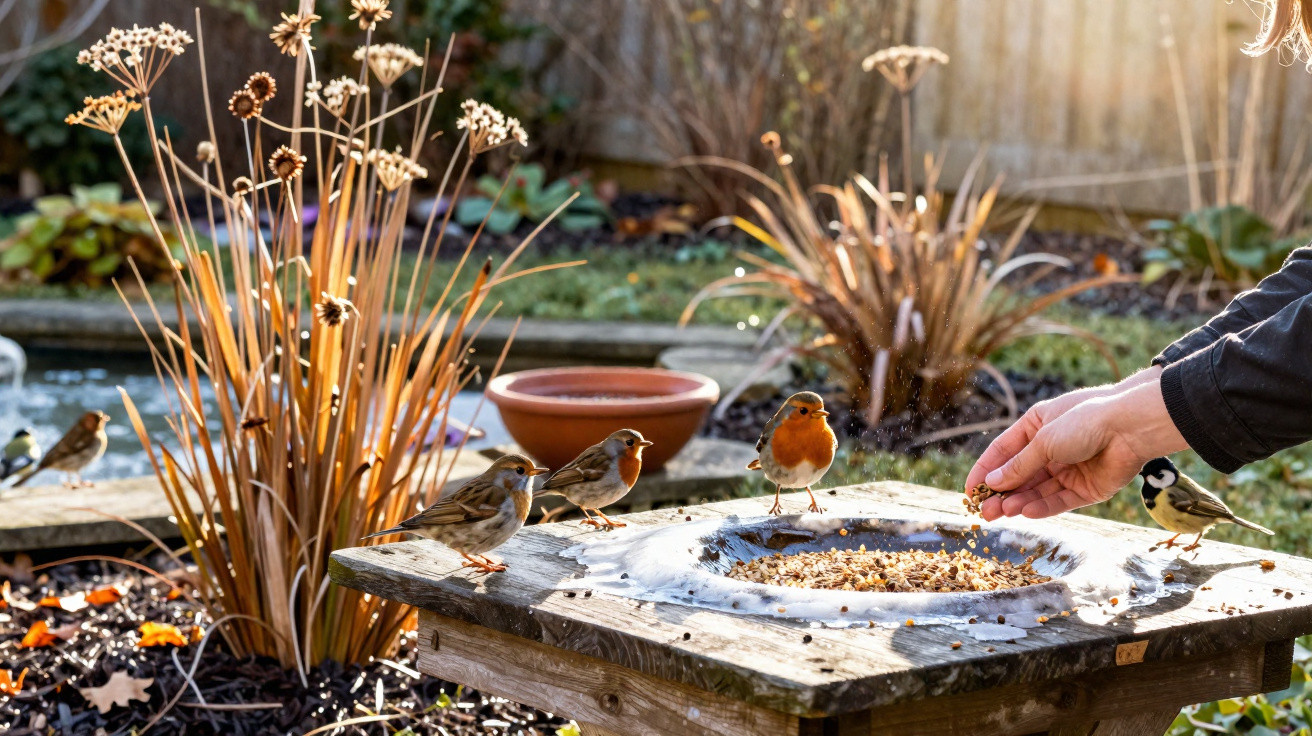
As soon as the pods ripen and split open, finches, tits and other small songbirds arrive. They peck out the nutritious seeds, finding a welcome addition to natural food sources, particularly during dry summers or in early autumn.
Anyone who leaves the seed pods in place automatically turns their flower bed into a self-service restaurant for birds.
Typical visitors include:
- species of tit
- goldfinches
- sparrows
The birds also enjoy clambering around the stems, which can be highly entertaining to watch from a window – a small nature programme included.
Very little work, major impact: this plant self-seeds
Self-seeding brings new plants every year
Leave some of the seed in the bed and resowing largely takes care of itself. Many seeds gradually fall to the ground and survive there over winter. The following spring, small plants then appear again as if by magic.
There are several ways to keep this under control:
- leave only some of the pods in place to limit the number of young plants
- harvest ripe pods, dry them and sow the seeds deliberately where you want them
- simply pull out or transplant surplus seedlings in spring
An inexpensive way to green larger areas
Self-seeding makes it possible to bring lasting life to larger spaces with little money or effort. One packet of seeds is often enough for several square metres. Over time, it creates a loose ribbon of flowers that looks slightly different every year, depending on where the seeds settle.
Those who prefer clear structure can later group the seedlings deliberately. Those who favour a wilder look can simply let them grow wherever they emerge.
Practical advice and possible combinations
What to know about toxicity and use
This plant belongs to the buttercup family, many members of which are at least mildly toxic. Children and pets should therefore not eat large quantities of the seeds. In everyday garden use, this is not usually a major issue, as long as nobody deliberately nibbles them.
There is a related species known as black cumin (Nigella sativa), whose seeds are used in cooking. It is cultivated separately and looks somewhat different. Seeds from the ornamental form do not belong in the spice jar.
Good companions in the border
Visually and ecologically, Love-in-a-Mist combines superbly with other insect-friendly flowers. Popular companions include:
- marigolds
- cosmos
- cornflowers
- yarrow
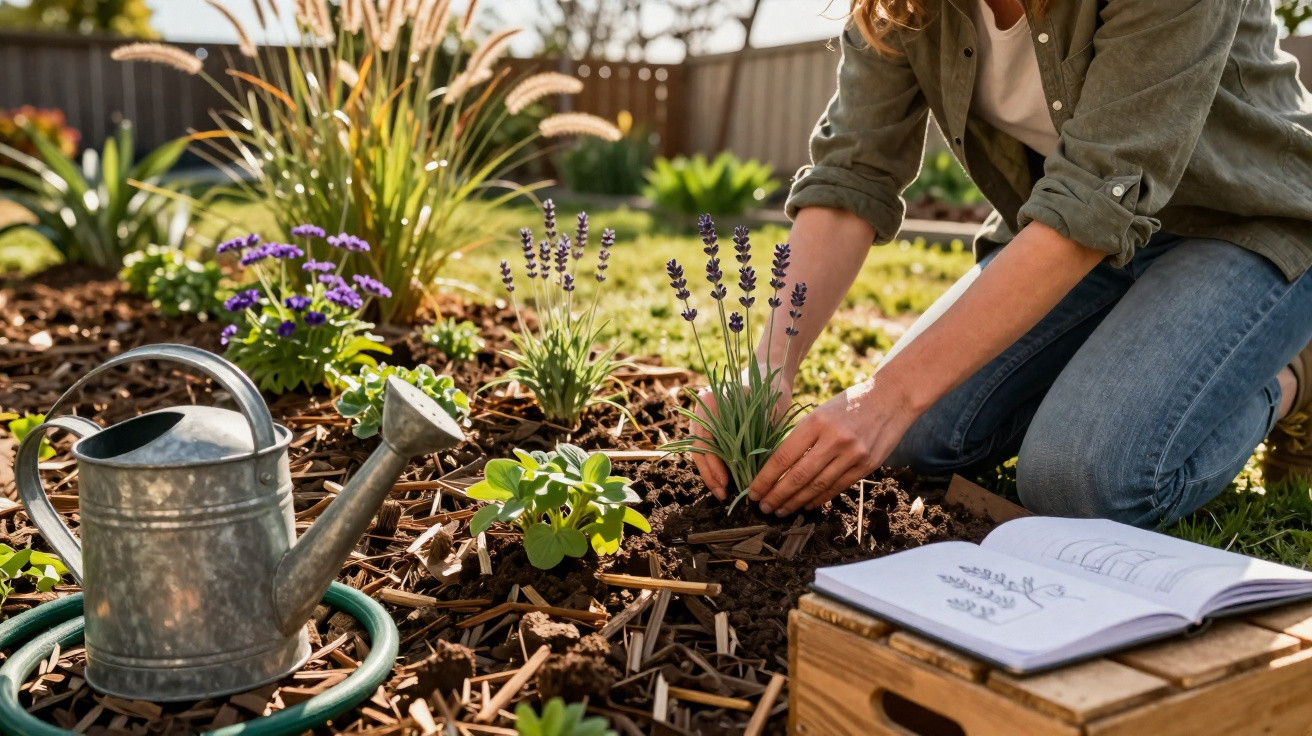
- lavender
Together, they create beds that flower, buzz and rustle from early summer into autumn. Add a small dish of water for birds, and even a few square metres of green space become a genuine meeting place for wildlife – right in the middle of a residential area.
Comments
No comments yet. Be the first to comment!
Leave a Comment