
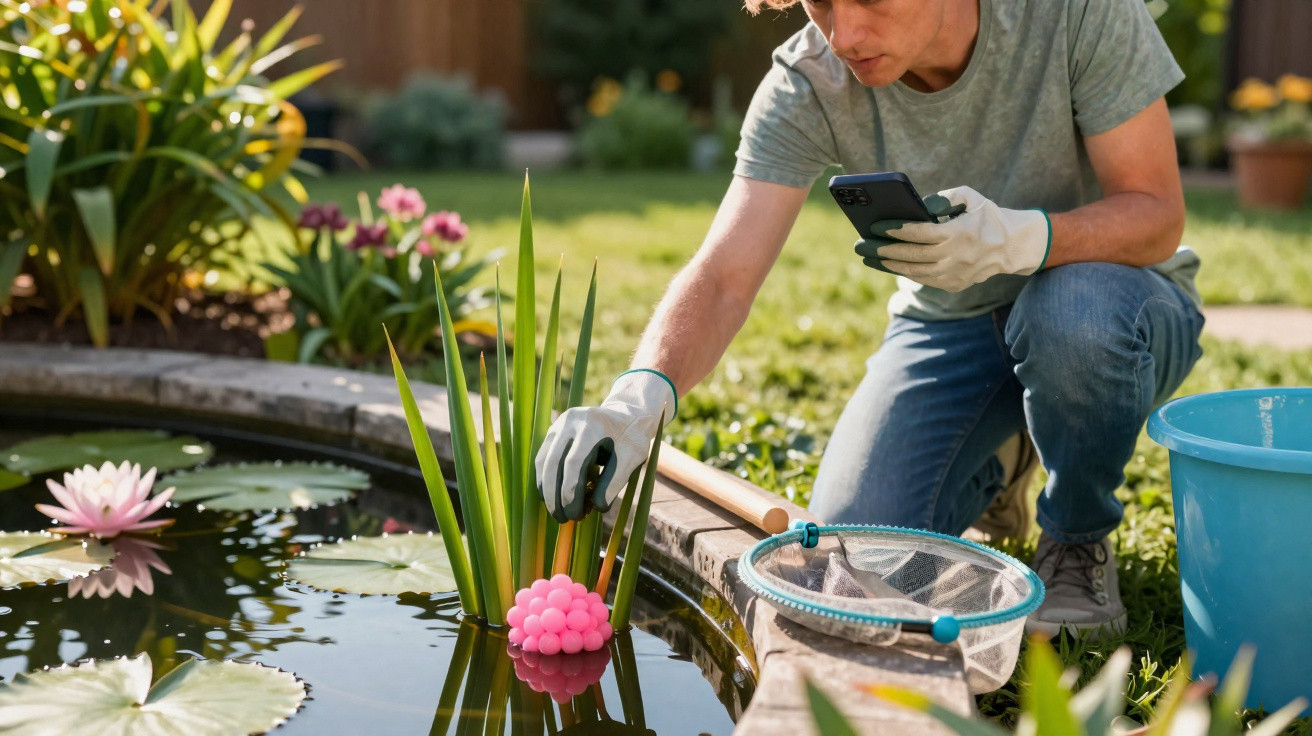
What may initially look cute or curious is actually a serious warning sign. Those bright pink clusters conceal an invasive snail pest that can threaten gardens, ponds, agriculture and even human health. Ignoring these eggs, or handling them incorrectly, can lead to more than a few nibbled plants.
What lies behind the pink eggs
The striking pink egg masses are produced by the golden apple snail (Pomacea canaliculata). Originally native to South America, this species has spread to numerous countries through the aquarium trade, including the United States and parts of Asia. It is also classified as a prohibited invasive species in the EU.
Unlike many native aquatic snails, it is highly adaptable. It can live both in water and on land, consumes aquatic plants and fresh garden shoots, and breeds at a rate that natural predators can scarcely match.
“The vivid colour of the eggs is not a playful quirk of nature, but an unmistakable warning: keep your hands away and act quickly.”
How to identify the egg clusters reliably
Golden apple snail eggs can be distinguished fairly easily from other deposits. Their typical features include:
- an intense to neon pink shade, often almost fluorescent
- grape-like clusters, roughly the size of a bunch of grapes or a small cluster of plums
- a very firm attachment to smooth or rough surfaces, usually just above the waterline
- locations such as walls, fence posts, jetties, reed stems, bridge supports or bank reinforcements
Anyone finding such a cluster in a garden, by a garden pond or beside a stream must not scrape it off with bare hands. The eggs may carry pathogens, and crushing them can easily transfer material into the water or into small cuts in the skin.
How dangerous golden apple snails really are
The threat comes not only from the eggs, but above all from the adult snails that hatch from them. They cause damage on three levels - in nature, gardens and agriculture - while also presenting a health risk to people.
Serious ecological damage
Golden apple snails strip aquatic plants aggressively. In ponds, ditches and slow-moving watercourses, they can remove most vegetation in a short period. The consequences include:
- Submerged plants disappear, leaving fish and amphibians without habitat.
- Algae spread extensively because competition is absent.
- Oxygen levels in the water fall, while toxins can accumulate.
- Ponds become ecologically unbalanced, the water turns cloudy, and conditions become problematic for animals and people.
What starts in a garden pond can spread through ditches, streams and rivers across entire regions - precisely what authorities are currently observing in particularly wet areas.
Risk to gardens and ornamental planting
In gardens, these animals do not remain politely in the water. During damp weather, they also crawl onto lawns, flowerbeds and borders, where they eat:
- young vegetable plants such as lettuce, spinach and cabbage
- tender shoots of perennials and ornamental plants
- aquatic plants in and around ponds, including water lilies and irises
Because the snails have few natural predators and reproduce extremely quickly, a small infestation can rapidly become a full-scale invasion. A single female snail lays thousands of eggs during its lifetime.
Health risk for people
Particularly concerning is that the species serves as an intermediate host for dangerous parasites, including liver flukes and pathogens that can cause eosinophilic meningitis in humans - a particular form of inflammation of the membranes surrounding the brain and spinal cord.
The risk arises mainly through:
- handling infected snails without gloves
- contact between contaminated water and open wounds
- improper handling while removing eggs and snails
“These snails are not a harmless curiosity, but a serious health and environmental pest.”
What to do immediately if you see pink eggs
Every hour matters with these eggs before the young hatch and disperse. Anyone discovering such a cluster should take a structured approach.
Step-by-step guidance
- Document the location: Take a clear photograph of the eggs and the surrounding area.
- Get in touch: Report the discovery to the relevant environmental or agricultural authority.
- Wear protective equipment: Always use sturdy gloves when handling them and avoid splashes to the face.
- Keep the area clear: Prevent children and pets from approaching, and mark the site if necessary.
- Inspect the surroundings: Check all damp areas, walls, banks and nearby water surfaces for further egg clusters.
Authorities can use photographs and samples to establish whether the eggs really belong to golden apple snails or to a harmless native species. This expert assessment is essential before extensive action begins.
Long-term protection for gardens and ponds
Anyone who has dealt with invasive snails once will not want to experience it again. Prevention starts with the design and upkeep of your own property.
Managing ponds and water features properly
- Check regularly, especially in spring and after warm rainy spells.
- Keep bank areas easy to inspect; overly dense planting is difficult to monitor.
- Remove sludge and dead plant material from ponds to reduce algae growth and snail hiding places.
- Do not introduce exotic aquatic plants or animals without proof of origin.
A fixed routine is especially helpful: take a brief walk around the pond edge around once a week, and inspect posts, walls and aquatic plants. It takes little time and prevents unwelcome surprises.
Garden design as a protective factor
A few structural and landscaping measures can significantly reduce the risk of a snail infestation:
- Avoid puddles and permanent miniature pools in lawns, for example by improving drainage.
- Cover water butts and water containers, or protect them with fine mesh.
- Regularly cut back damp, shady corners and allow them to dry out.
- Choose plants that cope better with short-term feeding damage or are less appealing to snails.
How aquarium owners can unknowingly contribute to the danger
The handling of aquariums is an often-overlooked issue. This is where the spread of many invasive species begins. Some owners empty old aquarium contents into garden ponds, streams or ditches, whether through convenience or lack of knowledge.
Anyone who simply “disposes of” fish, plants or aquarium water in the natural environment may unintentionally release non-native species, including snails such as the golden apple snail. A better approach is to:
- dispose of aquarium water down the drain, not outdoors
- place plant waste securely in general waste, rather than on the compost heap or in a pond
- never “release” unknown snails or animals; instead, contact retailers, associations or animal shelters
Why early reporting is so important
With invasive species, only one approach is truly effective: intervene as early as possible, before a population becomes large. The same is true of the golden apple snail. Individual egg clusters can still be removed in a controlled manner, whereas a mass occurrence across entire water systems can scarcely be managed.
By staying alert in your own garden, you protect not only your flowerbeds and pond, but also nearby lakes, rivers and agricultural land. Rice-growing and vegetable-growing areas are particularly vulnerable to these snails because they can mow down young plants in irrigated fields.
The conspicuously pink eggs are therefore more than an unusual splash of colour: they are a clear warning signal. Anyone who sees them should act - sensibly, with gloves, and by calling the appropriate authorities.
Comments
No comments yet. Be the first to comment!
Leave a Comment