
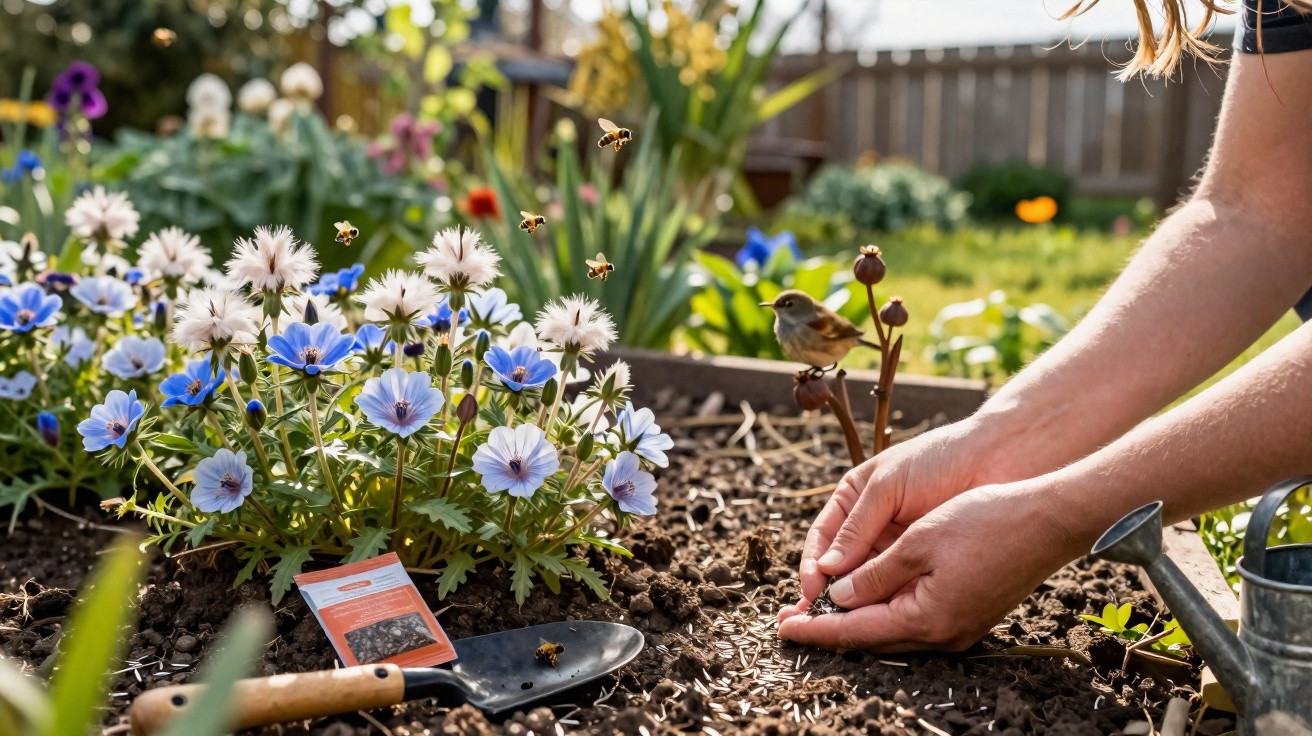
If you are planning flower beds, window boxes or a front garden, the same question comes up every year: what can I sow that will flower soon, provide something for insects and still be easy to manage? Among pricey cultivars and fussy container plants, one long-standing garden favourite is often overlooked – unfairly so. Its modest seeds can turn bare ground into an airy sea of flowers while feeding bees, butterflies and birds.
Nigella: delicate charm rather than rigidly perfect beds
At the heart of this is an annual with an almost nostalgic appeal: love-in-a-mist, botanically known as Nigella damascena. Anyone who has grown it will remember it. It combines the feel of a wildflower with the presence of an ornamental perennial – light, playful and far from overly formal.
Its slender, thread-like foliage creates a green veil, with star-shaped flowers glinting through it like tiny lights. This relaxed, “imperfect” appearance is ideal for contemporary wildlife gardens, where not every edge is sharply defined and every plant is not positioned to the centimetre.
Love-in-a-mist brings country-garden romance to even the smallest urban gardens – with minimal effort and maximum value for wildlife.
Pastel shades that brighten even gloomy garden corners
The flower colours are especially appealing. Blooms appear in soft sky blue, pure white or pale pink. Rather than harsh tones, these are understated pastels that catch the light and visually brighten shadier parts of the garden. When backlit, the petals can look almost translucent.
For more formal beds with roses or box hedges, Nigella makes an effective softening contrast. Sown between vegetable rows, it adds colour without shading food crops. This versatility makes it equally attractive to beginners and experienced gardeners.
Early, abundant flowering with less weeding
Another advantage is that love-in-a-mist gets going early in the year. Sowing in March can often bring a real display of flowers from June onwards. It grows quickly and soon fills gaps in beds, helping to suppress unwanted weeds and reducing the need for hoeing.
Unlike many prized perennials, Nigella is forgiving if watering is occasionally missed or the soil has not been perfectly loosened. It is ideal for anyone who wants attractive beds without daily gardening acrobatics.
Sowing Nigella in March: sun, drainage and very little fuss
To perform at its best, this flower needs only a few straightforward conditions. Get these right and much of the work is already done.
Choose the site: sun matters more than rich soil
These plants prefer a genuinely bright position. Full sun is best, although light partial shade is still acceptable. Nigella is remarkably undemanding about soil: poor, stony or sandy ground is all suitable, provided one condition is met – water must not sit around the roots for long periods.
- A position in full sun to light partial shade
- Loose, well-drained soil
- No waterlogging, particularly in spring
- It is better to fertilise too little than too heavily
If your soil is heavy and clay-rich, work in some sand or fine grit before sowing. This improves drainage and helps prevent root rot.
Direct sowing instead of moving plants around
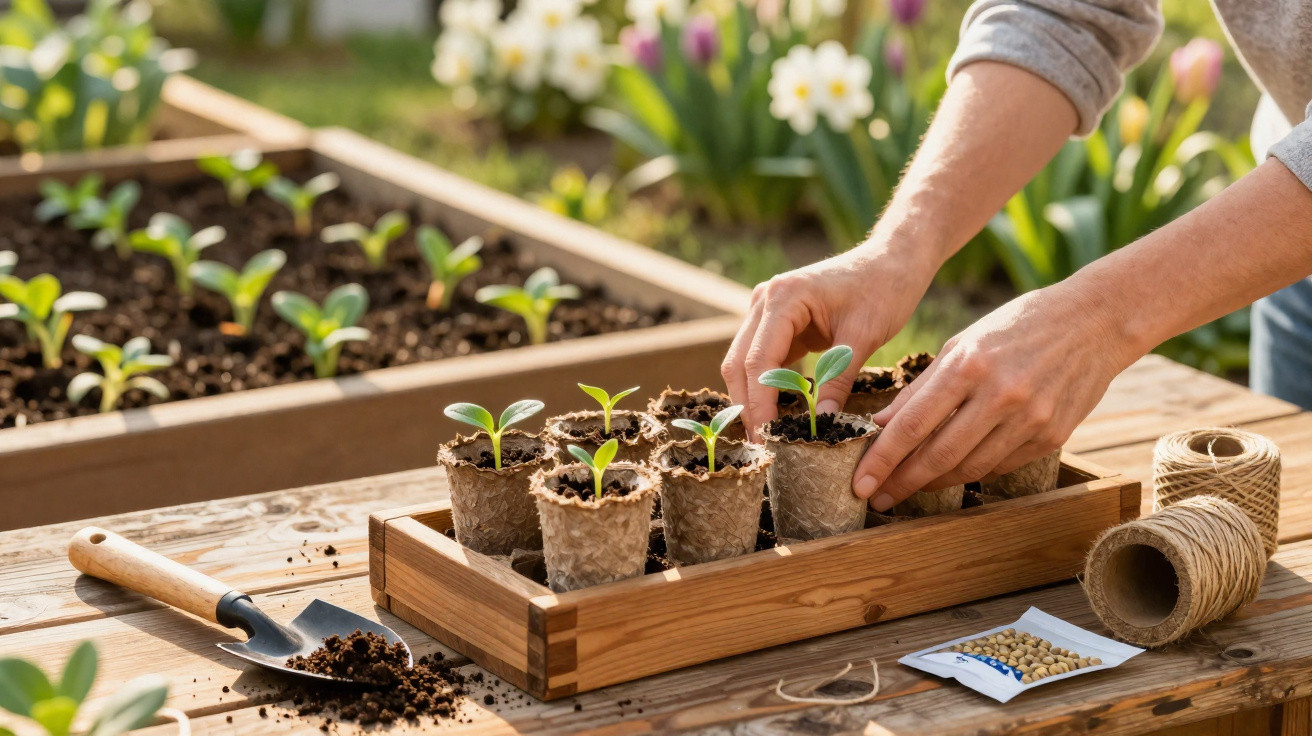
Love-in-a-mist develops a sensitive taproot and does not respond well to repeated potting-on. For that reason, direct sowing from March is the most reliable approach.
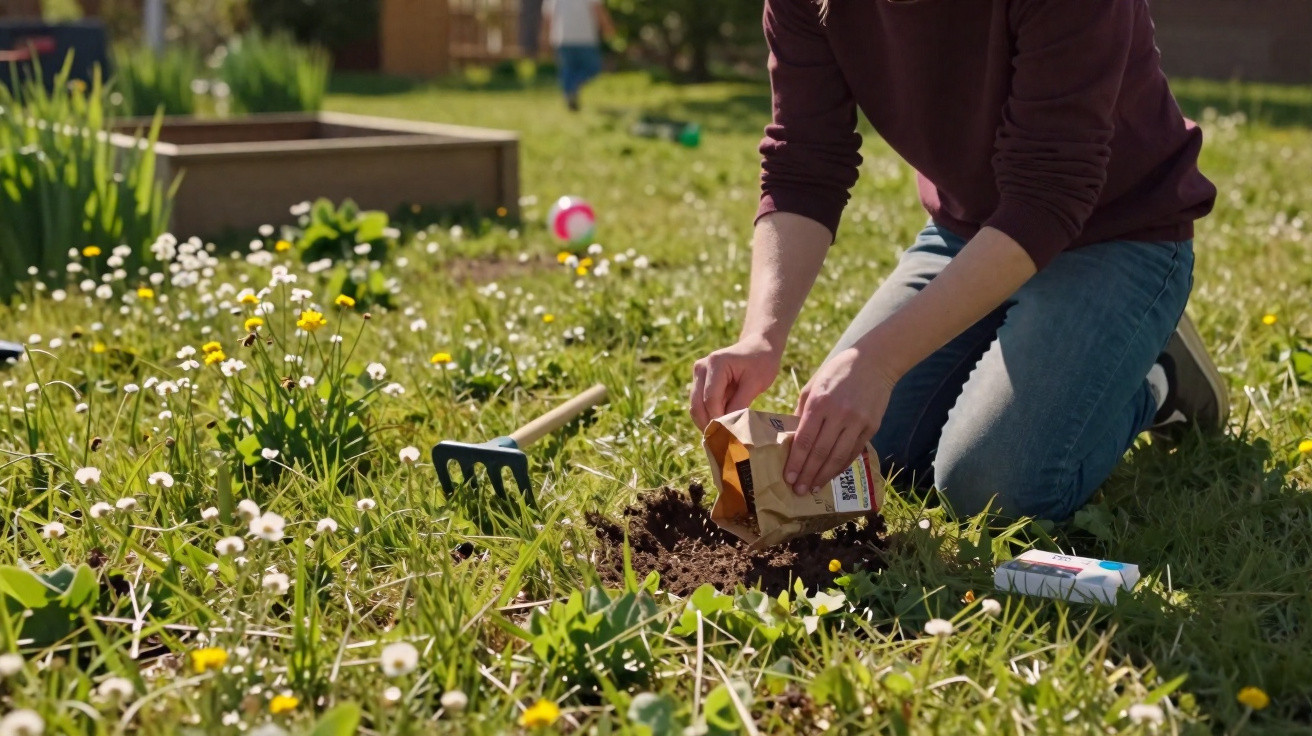
- Lightly loosen the soil and break up any large clumps.
- Scatter the seeds thinly across the area; an uneven pattern is fine and will look more natural later.
- Cover the seed with only the lightest layer of soil, or gently firm it in using a rake.
- Water with a fine spray so that the seeds are not washed away.
In suitable temperatures, the first delicate seedlings usually emerge after two to three weeks. If young plants are growing too closely together, thin them carefully so each has sufficient room.
Using plug plants – with a gentle touch
Anyone wishing to save time will find young plants in many garden centres from spring onwards. This option avoids the wait, but it requires care: the rootball must not break apart, otherwise the plant may struggle or remain noticeably smaller.
Plant them in a mixture of ordinary garden soil and a little sand. This keeps the roots airy without allowing the ground to dry out too rapidly. Water well afterwards and keep an eye on the plants for the first few days.
Why bees, butterflies and birds love Nigella
This flower is not simply decorative; it is also a small food source for many animal species that are increasingly under pressure in built-up areas.
A nectar stop for early-season insects
Love-in-a-mist flowers are regarded as particularly rich in nectar. In late spring, when not everything is in bloom, they offer a valuable stop for honey bees, solitary bees and bumblebees. Their open flower structure gives insects easy access to pollen and nectar.
Sowing Nigella near fruit trees or a vegetable garden brings a double benefit: more pollinators in the garden usually also mean better harvests of strawberries, tomatoes and similar crops.
Nigella combines ornamental appeal with practical value: it feeds pollinators – and pollinators safeguard our harvest.
Bird food from your own bed – right into winter
After flowering, something happens that many gardeners underestimate: the plants produce striking, inflated seed pods. They dry on the plant, change colour and can look like small decorative pieces from a dried arrangement.
Inside are countless black seeds. Gardeners often reach for the secateurs to use the pods in bouquets, but for birds they are a free winter feast. Leaving some plants in place provides tits, finches and sparrows with an additional food source during the lean season.
A living year-round display with just a few simple steps
A small amount of planning helps create the full effect from March through to winter. There is not much to do, but the order matters.
The key steps at a glance
| Stage | Task |
|---|---|
| March / April | Select the site, loosen the soil, direct sow or plant |
| Until germination | Keep evenly moist, without waterlogging |
| Early summer | Enjoy the flowers; water moderately during dry spells |
| Late summer / autumn | Allow seed pods to ripen; do not cut everything back |
| Winter | Use standing pods as bird food and to provide structure in the bed |
Rather than redesigning everything from scratch every year, you can make use of the plant’s ability to self-seed. If some pods are left standing, wind and rain will scatter the seeds naturally into the soil. New plants will then appear the following spring without further effort.
Self-seeding: an almost maintenance-free carpet of flowers
Many gardeners find that, after one or two years, they hardly need to sow deliberately at all. Love-in-a-mist effectively establishes its own population. Where it appears in an unwanted spot, simply pull out young seedlings early or move them elsewhere.
Over time, this creates a loose, natural-looking planting that returns year after year without putting pressure on the budget. That is a clear advantage at a time when seed and young-plant prices are rising.
Practical tips: combinations, risks and smart uses
Anyone who wants to make the most of this plant can combine it purposefully with other species or use it in particular garden settings.
Attractive planting partners and suitable locations
- Between old roses as a light blue contrast
- Around berry bushes to encourage pollinator activity
- In raised beds among lettuce, brassicas and herbs
- Along gravel-path edges to soften formal lines
- In wildlife gardens as a link between perennials and wildflower meadow planting
It looks especially harmonious alongside cornflowers, poppies or delicate grasses. The varying heights and flower forms add movement without creating a cluttered effect.
Points to keep in mind
Even this low-maintenance species is not entirely without potential problems. In exceptionally wet springs, some seedlings may rot if water remains in the bed for extended periods. A slightly raised bed or the addition of sand can solve this issue.
In highly fertile soil that is frequently fed, plants can become somewhat lush and are more likely to flop over. If you regularly use compost, sow Nigella in the drier, leaner areas of the garden where possible.
For homes with young children or pets, one brief point is worth noting: the seeds are traditionally regarded as unsuitable for eating. They belong in the soil, in a bouquet or as bird food – not on the plate.
Why choosing this seed in March is especially worthwhile
Love-in-a-mist fits perfectly with the move towards wildlife-friendly, easy-care gardens. It is inexpensive, requires no specialist knowledge, supports insects and birds, and beautifies areas that might otherwise remain bare.
Anyone picking up a packet of Nigella seed this March is laying the foundation for a garden that does more than look attractive: it feels alive, with buzzing, fluttering and birdsong from early summer right through winter.
Comments
No comments yet. Be the first to comment!
Leave a Comment