
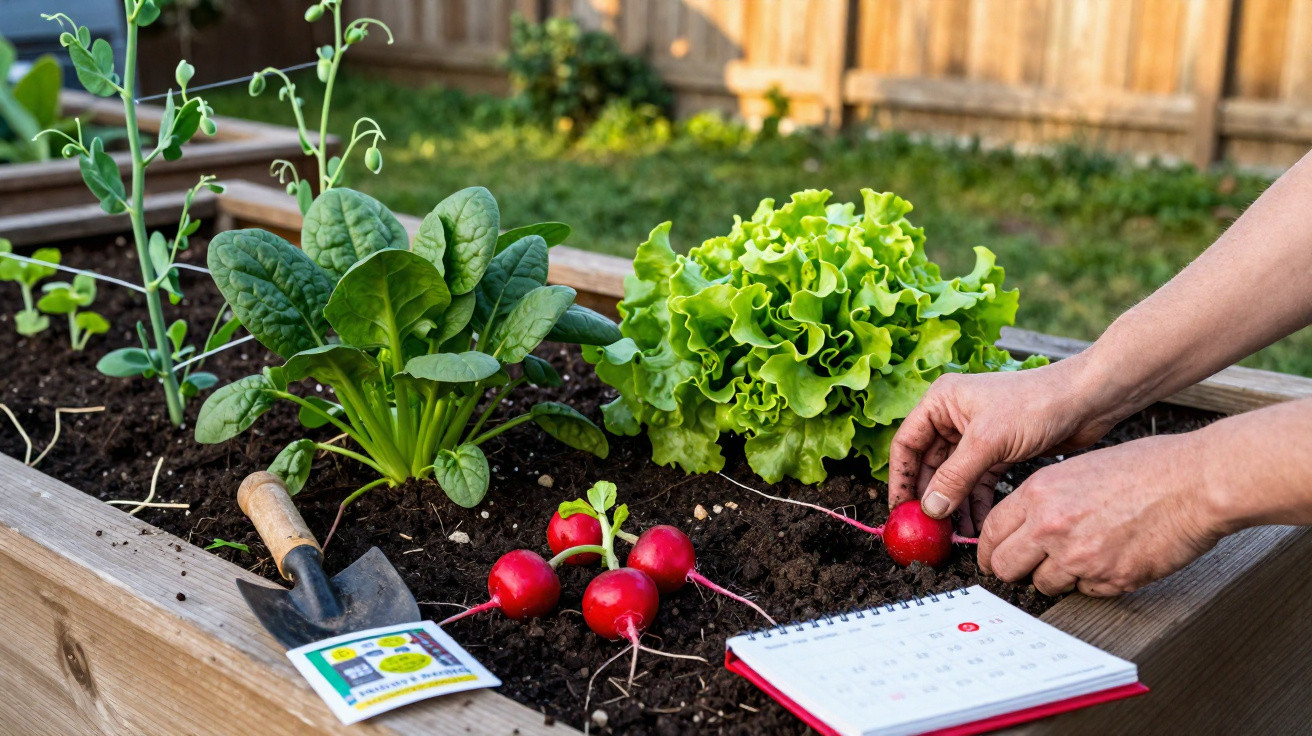
The beds are still damp and the nights remain cool, but spring is on its way. This is exactly the moment to restart the vegetable garden with varieties that grow so rapidly that they produce their first crisp leaves or roots in under 30 days. Perfect for anyone unwilling to wait until summer.
Why March is the starting signal for impatient gardeners
March changes the mood in the garden. Days grow longer, the sun becomes stronger and the soil gradually thaws. While heat-loving crops such as tomatoes and peppers still require protection, this is peak season for hardy early starters.
Before sowing begins, however, some groundwork is needed. Over winter, leaves, dead stems and remnants of previous crops build up. Clearing away this “winter debris” removes shelter for slugs and pests while bringing more air and light into the bed.
Next, prepare the soil: loosen it, remove weeds and work in a little well-rotted compost. Experts repeatedly stress how much humus-rich soil speeds up development. Organic matter holds water, provides nutrients and improves soil structure, creating ideal conditions for rapid growth.
“Well-prepared soil acts like a turbocharger: plants get going more quickly, grow more evenly and produce a harvest sooner.”
Dividing the garden into clear areas offers two benefits at once. Dedicate one bed to leafy vegetables, another to root crops and another to climbing plants; this prevents crops from getting in each other’s way and makes maintenance easier.
These 4 vegetables deliver a harvest in record time
The focus is on four crops that tolerate cold weather and grow exceptionally fast: radishes, lettuce, peas and spinach. When grown correctly, some provide edible leaves or roots after only three to four weeks.
Radishes: the classic rapid harvest
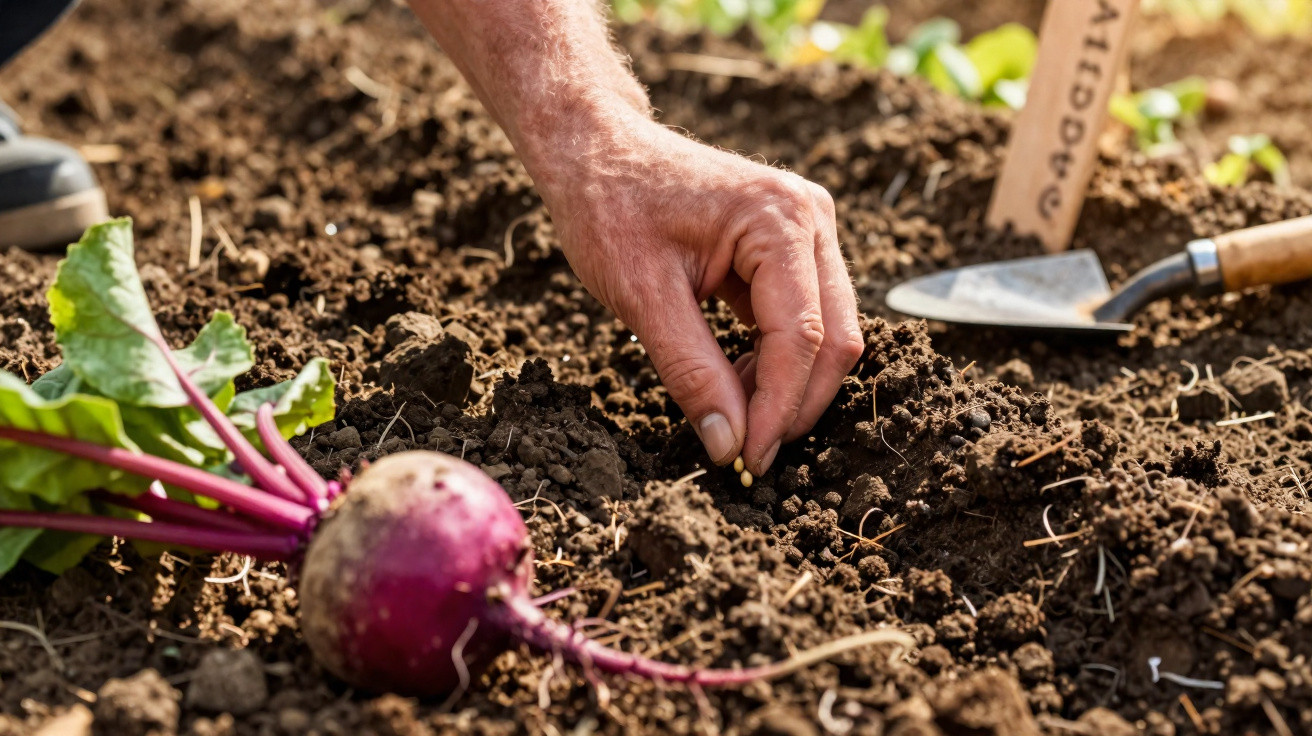
Radishes are among the quickest vegetable crops of all. Depending on the variety, their small roots are ready to harvest after just 25 to 30 days. They are ideal for children, who can quickly see the results of the care they give them.
- Position: full sun to partial shade
- Soil: loose and not overly fertilised
- Benefit: suitable for even the smallest bed or window box
Sow a narrow row every one to two weeks and you can keep harvesting fresh radishes throughout spring, rather than having to eat the entire crop in one week.
Lettuce: young leaves within just a few weeks
Lettuce is a familiar spring visitor in the vegetable bed. Cut-and-come-again and loose-leaf lettuces are particularly fast-growing: the first tender leaves can often be picked after 3–4 weeks. Cos lettuce takes a little longer, but produces compact heads.
Early varieties cope well with cool nights. By using closer spacing and not waiting for a perfect head to form, lettuce can be treated as “greens for cutting” and picked leaf by leaf straight into the bowl.
“Just a few minutes from bed to plate – it scarcely gets fresher, and the difference in flavour is enormous.”
Peas: start early, harvest for longer
Peas thrive particularly well in March because they enjoy cool temperatures. They take a little longer to produce pods than radishes take to form roots, but their first young shoots and leaves can be used after a short time, for example as crisp shoots in a salad.
Sowing early gives a clear advantage, as the root system establishes itself strongly in the cool spring soil. A simple trellis or a few canes will allow the plants to climb upwards and make the best use of the available space.
Spinach: from seedling to ‘baby leaf’ harvest
Spinach tolerates cold exceptionally well and grows especially quickly during the cooler part of the year. After only three weeks, the first young leaves – known as baby leaves – can be cut. Leave them longer and the leaves become larger with a stronger flavour.
It provides plenty of vitamins, minerals and secondary plant compounds. Nutritional medicine specialists particularly value spinach as a nutrient-rich leafy vegetable that can be eaten raw in salads or lightly steamed.
How to sow in March for a harvest in under 30 days
Following the basic rules below will greatly improve the chances of a genuinely rapid harvest.
| Vegetable | Sowing depth | Spacing | Early use |
|---|---|---|---|
| Radishes | approx. 1 cm | 2–5 cm within the row | Roots after 25–30 days |
| Lettuce (loose-leaf) | very shallow, simply press in | 5–10 cm | Leaves after 3–4 weeks |
| Spinach | 1–2 cm | approx. 10 cm | Baby leaves after a few weeks |
| Peas | 2–3 cm | approx. 5 cm | Young shoots can be used early |
Soil, water and spacing: the three key controls
Loose, crumbly soil gives seeds a better start. Waterlogging slows germination, as does completely dried-out soil. The surface should always remain lightly moist without becoming muddy.
Spacing matters. If plants are too close together, they compete for light and nutrients, stay small and become more prone to disease. If you have sown too generously, simply thin out individual seedlings once they emerge.
Watering also calls for a gentle touch. A fine rose on the watering can protects delicate young seedlings. Applying large amounts of water at once can wash away seeds or expose roots.
Keep an eye on pests: act early rather than regret it later
Warmer days also bring slugs, aphids and other troublesome pests back to life. Brief checks during your daily walk around the bed are worthwhile. Fresh bite marks on leaves or shiny slime trails point to slugs.
- Collect slugs in the evening or use barriers such as copper tape
- Encourage strong, healthy plants by allowing sufficient spacing and providing good nutrition
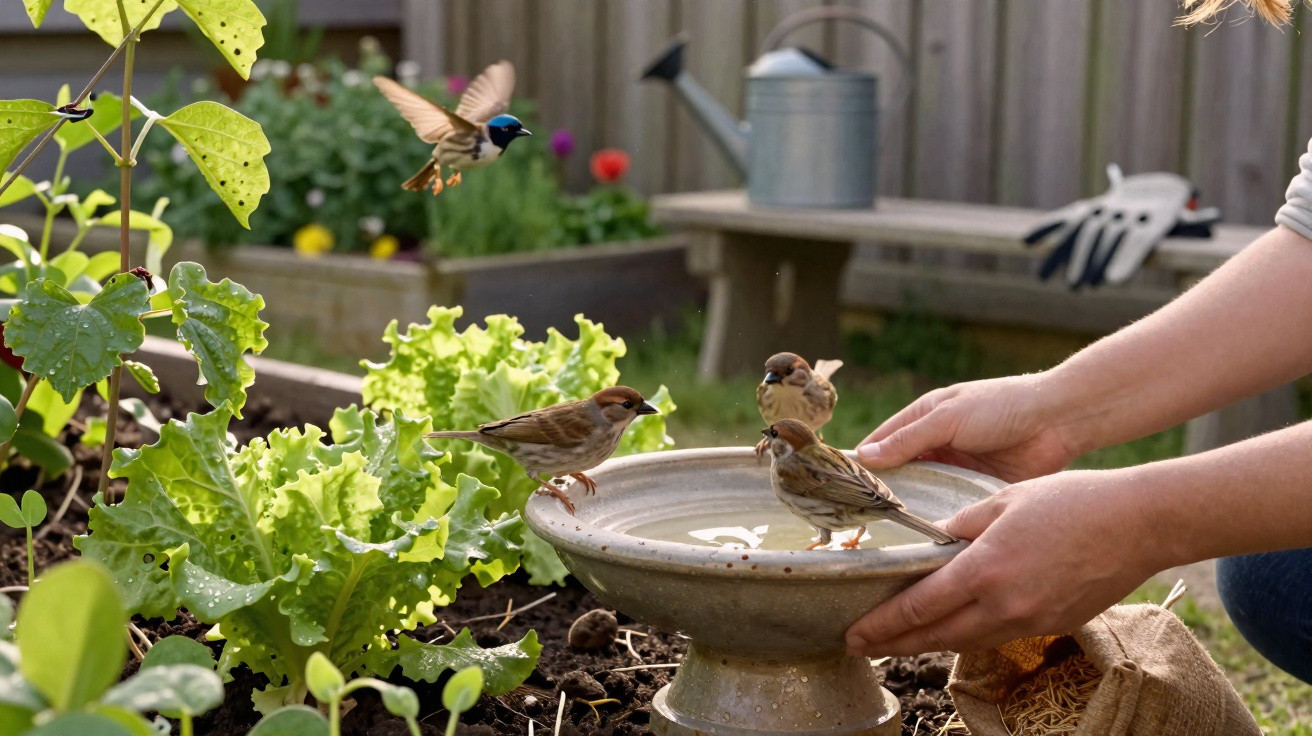
- Where possible, attract beneficial wildlife such as birds and ladybirds
Radishes in particular quickly develop undersized roots when their young leaves are eaten. Taking action early often saves the greater part of the sowing.
Making more of limited space: companion planting and repeat sowing
Anyone with a small garden or only a balcony can make clever use of these vegetables’ short growing times. A typical trick is to sow radishes between slower-growing crops. By the time carrots or cabbages start to gain size, the radishes will already have been harvested, freeing up space.
Spinach and lettuce also work well as “gap fillers”. Areas intended later for heat-loving varieties can already host a quick round of leafy vegetables in March. That way, no growing space is wasted.
“With smart planning, a bed in March effectively works in shifts: one crop is growing while the next is already waiting in the wings.”
Practical tips for complete beginners
If you are sowing in March for the first time, a few basic guidelines will help you get started:
- Create several narrow rows rather than one broad sowing area
- Use labels to keep track of varieties and sowing dates
- Make a quick daily check at first: moisture levels, slugs and emerging seedlings
- If in doubt, harvest a little earlier, as young leaves are more tender and aromatic
A window box on the windowsill is often enough for the first radishes or a mini spinach harvest. Starting this way quickly gives you a feel for just how fast plants can grow in March.
Many gardeners find that these fast starters show them how motivating early success can be. Instead of looking at bare soil for weeks, the garden begins to grow and turn green in a short time. This lowers the barrier to trying more demanding crops later in the year and turns the vegetable garden into a project that brings enjoyment rather than frustration.
Comments
No comments yet. Be the first to comment!
Leave a Comment