
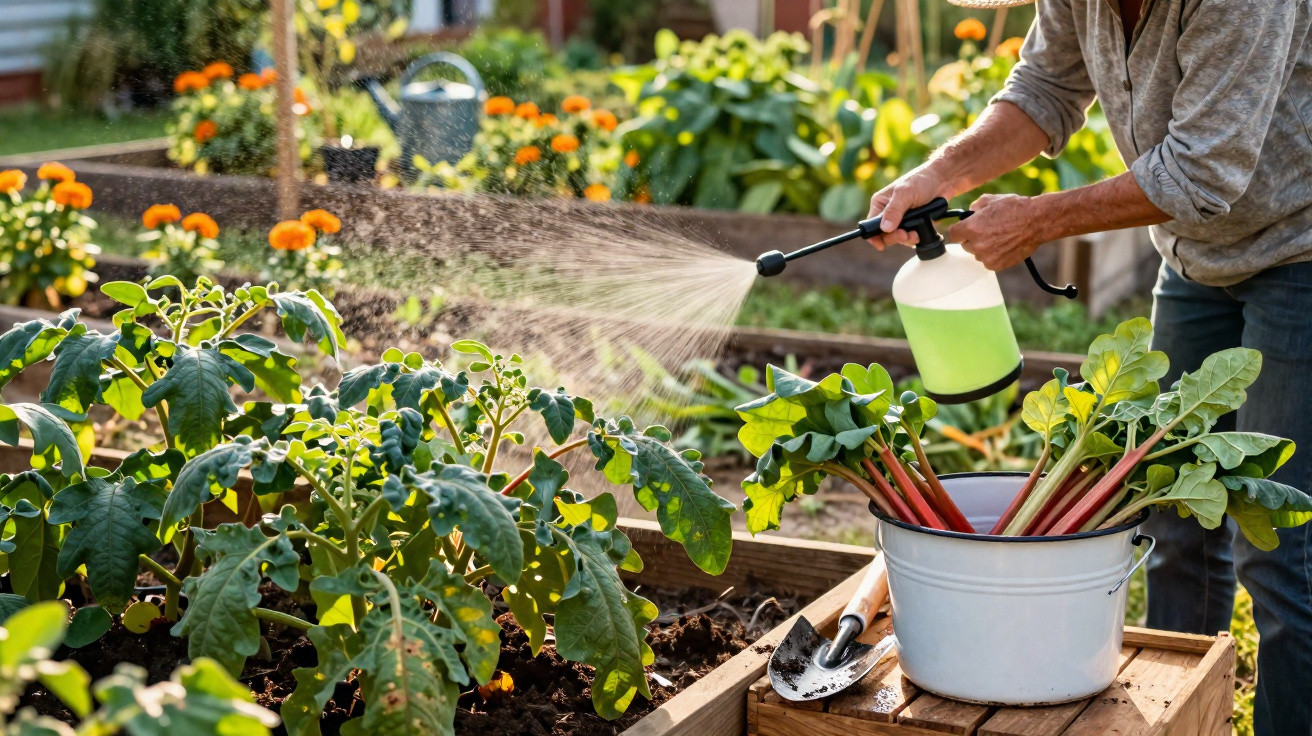
While everyone talks about nettle liquid feed, an old household remedy is quietly returning to vegetable beds: a brew made from rhubarb leaves. It has a pungent smell and an unremarkable appearance, yet it can noticeably reduce fungal disease and insect pests on tomatoes. Increasing numbers of amateur and professional gardeners are relying on it again, particularly during wet summers, when the notorious decline of tomatoes caused by fungal disease can seem almost unavoidable.
Traditional gardening knowledge rather than shop-bought chemicals
Rhubarb liquid feed was once a standard part of the toolkit in traditional cottage gardens. Over time, fashionable recipes using nettles or comfrey pushed this method into the background. At their heart, all these brews follow the same principle: using plant compounds to strengthen other plants and slow down pests and pathogens.
A rhubarb leaf brew is particularly effective against common tomato issues, including:
- fungal diseases such as late blight and brown rot
- aphids and other sap-sucking insects
- small beetles and larvae that chew foliage
- spider mites during dry, hot weather
“Rhubarb liquid feed acts like a natural protective cloak: it strengthens the plant and simply makes leaves unattractive to many pests.”
Many gardeners now deliberately return to remedies like these so they can avoid chemical sprays while still producing healthy crops.
Why tomatoes benefit especially
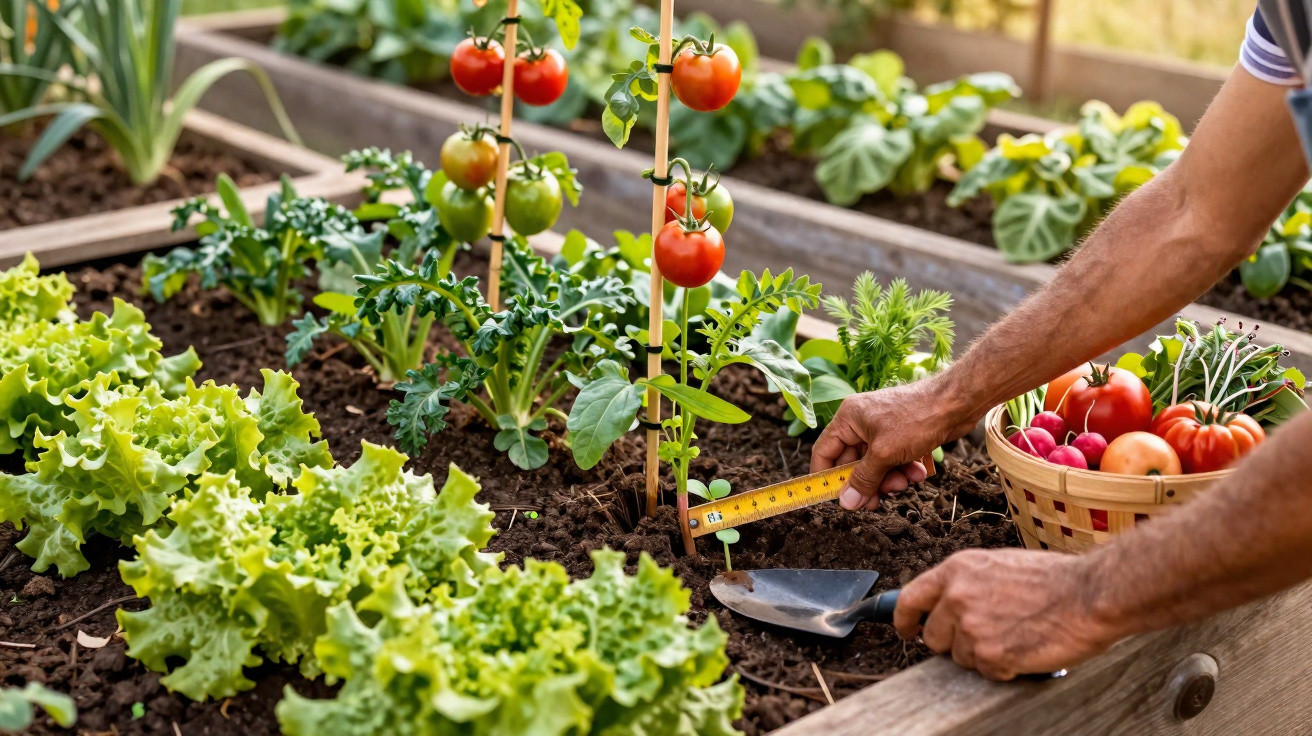
Tomatoes are considered the divas of the vegetable garden. They thrive in warmth but cannot cope with persistently wet foliage. In rainy summers, that exact combination often leads to an explosive outbreak of late blight and brown rot. Anyone who has watched a whole row of tomato plants collapse within a few days knows how frustrating it can be.
This is where the rhubarb brew comes in, combining two effects:
- It fortifies plants, helping them build up their own defences more effectively.
- It creates conditions on the leaf surface that many fungi and insects find unsuitable.
Gardeners report considerably more vigorous foliage, more even growth and fewer brown patches. Put simply, the plants look more alert. Regular treatment is particularly beneficial during prolonged damp spells.
What makes rhubarb so useful
Rhubarb is a hardy perennial that regrows year after year. Its stalks usually end up in the kitchen, while the large leaves are often put on the compost heap. However, those leaves contain the crucial mixture of active compounds.
These include, above all:
- oxalic acid – toxic to people at higher concentrations and troublesome for many insects and fungi
- anthraquinones – plant compounds with antifungal and insect-deterring effects
“What does not belong on our plates can become a valuable ally on a tomato plant.”
Importantly, rhubarb liquid feed is not a fertiliser in the conventional sense. It adds very few nutrients to the soil; instead, it works primarily as a plant ‘health service’ – a protective and care treatment for leaves and stems.
Making rhubarb liquid feed: how to prepare the brew
Preparation sounds simple, but it does require some care. If done too carelessly, the result will either be a brew that is far too harsh or a foul-smelling liquid with little real effect.
Basic recipe for tomato protection
- Roughly chop 1 kilogram of fresh rhubarb leaves.
- Place them in a bucket or tub; do not use a metal container.
- Cover with 10 litres of rainwater.
- Leave for 3 to 5 days at moderate temperatures.
- Stir thoroughly once a day.
- Strain the brew through a sieve or cloth.
The mixture should ferment gently and bubble, but it should not spoil completely. If it smells purely rotten and acrid, it has been left too long. In that case, it is better to make a fresh batch.
| Step | What to watch for? |
|---|---|
| Choosing a container | Plastic or wood, never metal |
| Water | Rainwater rather than cold tap water; no chlorine |
| Location | Partial shade, not blazing sunshine |
| Duration | 3–5 days, depending on temperature |
| Smell | Pungent, but not putrid or decomposing |
Once strained, the brew will keep for several days in a cool, dark place. Preparing smaller quantities fresh usually produces the best results.
Applying rhubarb liquid feed to protect tomatoes properly
Used undiluted, rhubarb liquid feed is too strong and may scorch leaves. For spraying tomatoes, a dilution of around 1:10 has proved effective: one part brew to nine parts water.
Choosing the right time
- Spray early in the morning or in the evening.
- Avoid spraying in strong midday sun.
- Apply only in dry weather, so it is not washed off immediately.
During damp periods, when fungi are especially active, one application a week is usually enough. If the first spots are already visible on the leaves, spray every five days at first, then increase the interval again later.
“Thorough coverage is essential: both the upper and lower leaf surfaces should receive an even, fine film of the diluted brew.”
Young plants need only a light treatment, whereas established outdoor tomatoes can tolerate a slightly stronger dose. Anyone wishing to be especially cautious can first test the mixture on a single plant.
A component of the wider approach: rhubarb in the organic garden
Anyone who sprays alone while ignoring every other factor should not expect miracles from rhubarb liquid feed. Tomatoes need a well-balanced overall approach:
- Plenty of air around the plants, rather than a jungle of dense foliage
- Good crop rotation, meaning tomatoes are not grown in the same spot every year
- Water directed at the soil, not onto the leaves
- A protective mulch covering the soil
The rhubarb brew fits this system perfectly. It does not interfere with soil life, does not harm beneficial insects such as ladybirds or bees, and can easily be combined with other methods.
Many gardeners alternate between:
- rhubarb liquid feed for fungi and sap-sucking insects
- nettle liquid feed to provide nutrients
- horsetail decoction to give the leaf structure additional strength
Why this forgotten brew is making a comeback now
As environmental awareness grows, so does distrust of chemical treatments. Anyone who lets children play in the garden is unlikely to want to use sprays marked with warnings. In addition, many approved products are gradually disappearing from the market.
At the same time, an active community of amateur gardeners has emerged to share practical experience. Recipes, before-and-after photographs and reports circulate on forums, gardening apps and videos. This is how long-forgotten methods from grandparents’ time suddenly return – and remain in use when they work.
“Rhubarb liquid feed has passed this practical test in countless gardens – not in a laboratory, but right in the vegetable bed.”
How safe is it to use, and what are its limits?
For all its benefits, one point remains clear: rhubarb is not a toy. Its leaves contain compounds that can also be problematic for people in high doses. When making the brew, it is best to wear gloves and avoid splashes in the eyes or mouth.
After dilution and the weeks leading up to harvest, there are hardly any significant residues left on the vegetables themselves. Even so, many gardeners prefer gentler treatments for salads or herbs, using rhubarb specifically on tougher crops such as tomatoes, potatoes or ornamental plants.
Nor should the brew be viewed as a miracle cure on its own. In exceptionally wet weather, even a well-tended tomato plant protected with rhubarb can eventually fail. Its major advantage is that this point is pushed much further back – often long enough to bring in the main harvest safely.
Practical tip: get started this season
Anyone who already has an established rhubarb crown in the garden can begin straight away. One vigorous clump provides enough leaves for several buckets of brew. If you do not yet have the plant, it is worth buying one for future years because of its versatile use alone: stalks for the kitchen, leaves for the sprayer.
A straightforward strategy for beginners is:
- Prepare a small 5-litre batch of brew.
- Treat only some of the tomatoes regularly for four weeks.
- Compare them with untreated plants in the same garden.
This direct comparison usually shows more clearly than any theory whether the method suits your own site and climate. Many people who test it this way keep rhubarb liquid feed permanently in their gardening calendar – as a quiet but highly effective bodyguard for their tomatoes.
Comments
No comments yet. Be the first to comment!
Leave a Comment