
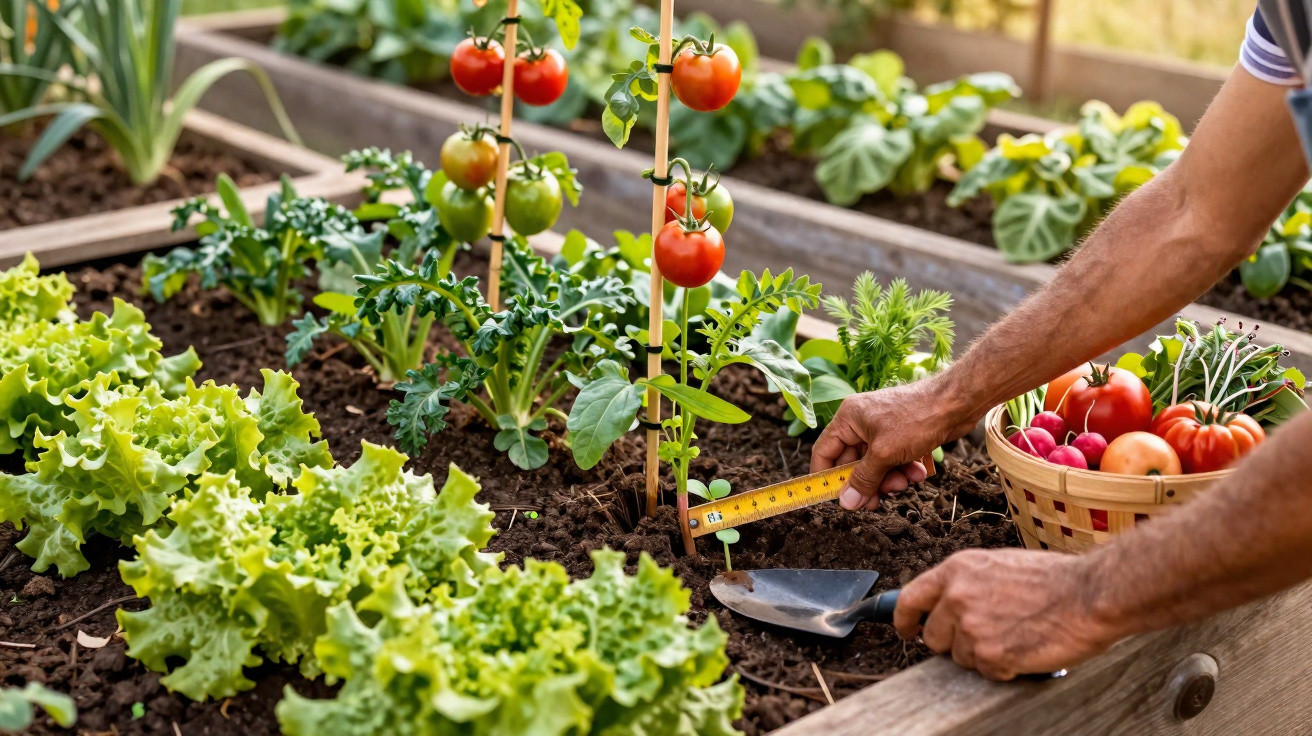
A seemingly tiny gap in the vegetable bed often determines whether weeds take over – or whether you end up harvesting considerably more.
Many seed packets display a small figure that almost everybody overlooks: the recommended planting distance. It represents far more than simply guidance to prevent overcrowding. Savvy home gardeners use a spacing of around 15 centimetres in particular to make their vegetable gardens denser, more resilient and more productive – without enlarging a single bed.
Why a few centimetres can transform a vegetable bed
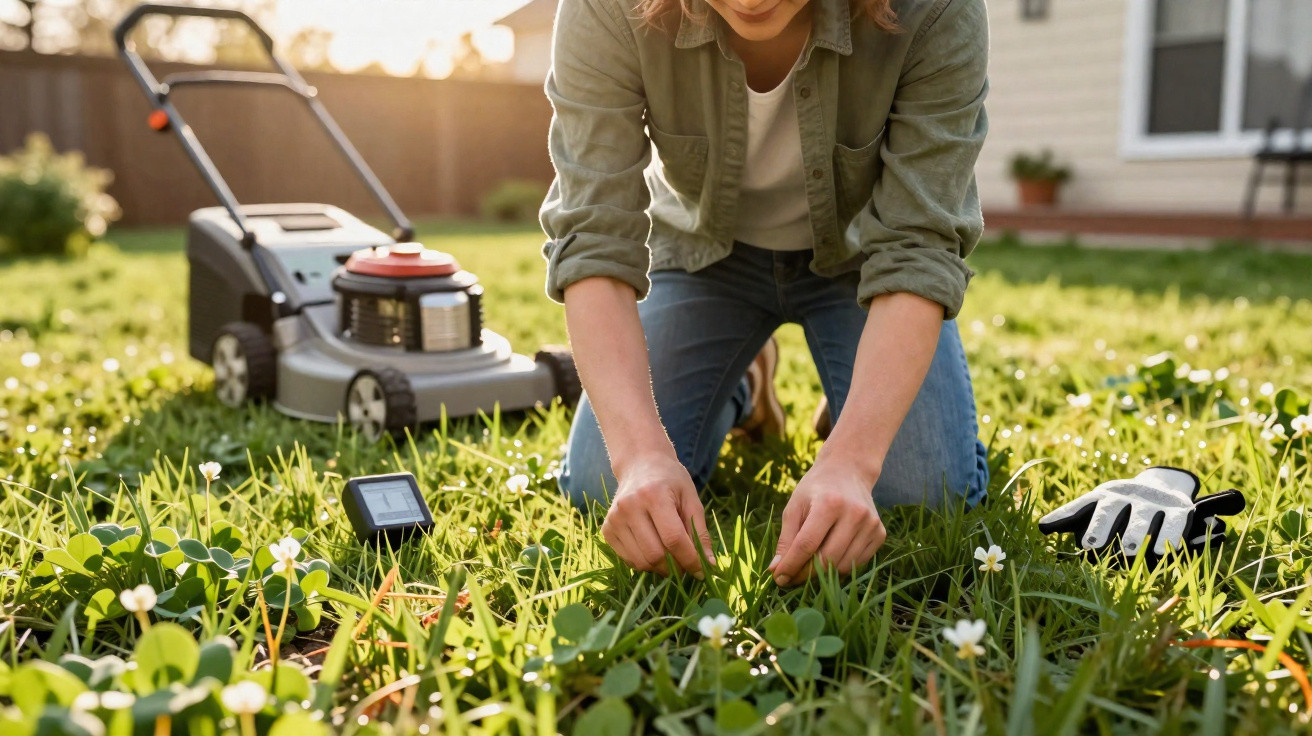
Whenever bare soil is left in a bed, nature moves in straight away – and rarely in the way a gardener would prefer. Weeds make ruthless use of open ground: with light, water and nutrients available, wild plants germinate faster than vegetable crops can establish themselves.
Experienced gardeners have drawn a simple lesson from this: an empty strip is wasted space, while a planted strip contributes to the harvest. When soil is covered as completely as possible with useful plants, weeds have little opportunity, the ground remains protected, and ideally every patch of space produces vegetables for the table.
“These 15 centimetres are not ‘breathing space’, but an unobtrusive reserve for extra harvests, soil protection and less work.”
Rather than following seed-packet spacings rigidly, capable vegetable gardeners work in patterns: they position main crops a little closer together and use the gaps for smaller, fast-growing or companion plants. The bed looks fuller and more vibrant – and produces substantially more throughout the season.
Using spacing as a tool: make the space work
The principle is straightforward: the gardener should not have to work harder; the gap between plants should do some of the work. The familiar distance of roughly 15 centimetres is ideal for intercrops – vegetables that either remain in the bed only briefly or stay compact.
A classic example is young tomato plants, which initially look rather small in the bed. There are often those well-known 10 to 20 centimetres of open space between their stems. Lettuce can be planted there. It grows quickly, benefits from a little shade later on, and will have been harvested long before the tomato plants begin to need the space themselves.
The same approach also works with radishes, spinach, rocket or cut-and-come-again lettuce. They occupy the “free storey” at ground level while taller crops steadily grow upwards.
How smart gardeners use the same space twice
- one tall, slow-growing crop, such as tomato, cabbage or leek
- a low, quick-growing crop between it, such as radish, lettuce or spinach
- different root depths, so the plants do not compete below ground
- light shade over the soil, less drying out and reduced watering
The skill lies in selecting crops that complement rather than compete with one another – in the bed as much as in the kitchen.
The best close-spacing partnerships for vegetable beds
Some combinations in a vegetable garden have proved especially useful when grown just centimetres apart. They can deliver not only higher yields, but also fewer pests and a more stable miniature ecosystem.
- Carrot and leek: The scent of leek confuses the carrot fly, while carrots disrupt the leek moth. Each crop uses a different soil depth.
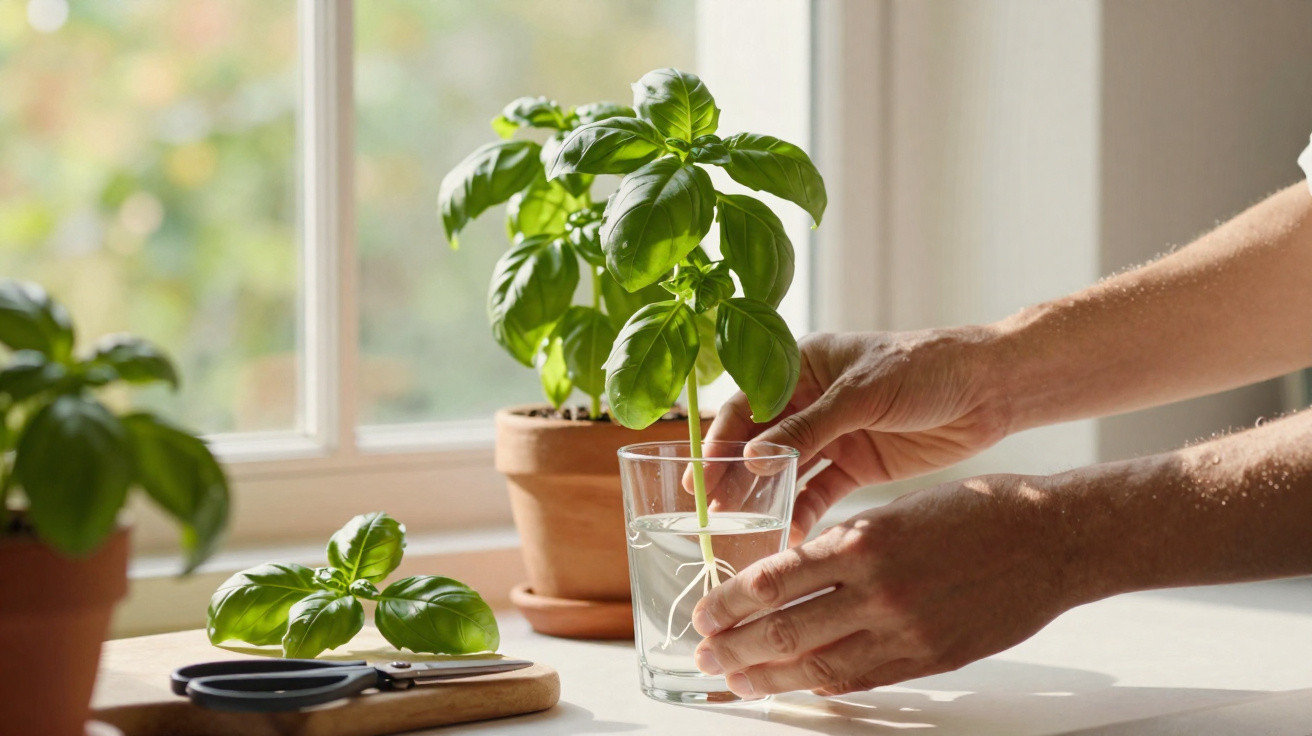
- Tomato and basil: Basil repels certain pests, attracts insects and is a perfect kitchen companion later on – straight from the bed into the sauce.
- Cabbage and head lettuce or cut-and-come-again lettuce: Lettuce grows rapidly and covers the ground while the cabbage is still far from full size.
- Radish and carrot: Radishes mark the row, germinate immediately and are harvested long before carrots require the room.
- French marigolds and vegetables: The flowers disrupt various pests while also attracting beneficial insects.
These pairings do not create miracles, but they can noticeably improve the work balance in a vegetable bed. Less weeding, greater insect diversity and healthier plants – precisely what many home gardeners want.
The secret of abundant harvests: think in “storeys”
Anyone who makes effective use of 15 centimetres of spacing sees a bed as a small block of flats. Every type of plant occupies its own level: ground covers and quick crops at the bottom, medium-height vegetables above them, and perhaps tall climbing beans or tomatoes at the top.
Provided the leaves do not block all of one another’s light, every plant benefits. Their roots occupy different layers of soil, reducing competition for water and nutrients. Air can circulate between the foliage, helping to limit fungal diseases. Meanwhile, the soil remains protected as though covered with living mulch.
“The more storeys a bed uses intelligently, the closer it comes to the woodland model: no bare soil, but a stable, resilient system.”
Those who think only in individual rows miss this opportunity. Those who think in layers turn the same area into a small, productive system with remarkably dense yields.
How to get started this season
There is no need to overturn your entire garden plan. A single bed is enough to begin using the 15-centimetre trick. The key is to choose one clear main crop and match it with a suitable companion or intercrop.
Practical examples for a typical home vegetable bed
- Carrots with radishes: Sow carrots at the usual row spacing, adding radishes at short intervals between them. After three to four weeks, the radishes are gone and the carrots take over the newly available space.
- Cabbage with lettuce: Plant cabbages around 50 to 60 centimetres apart. Place small lettuce plants in the 15–20-centimetre-wide gaps. The lettuce leaves the bed early, allowing the cabbage to spread later.
- Tomatoes with basil: Set out six tomato plants in a small bed, leaving 50 to 60 centimetres between them. Plant two to three basil plants at the base of each one – they make ideal use of the free centimetres at ground level.
- Leeks with carrots: Choose a row spacing for leeks and sow a row of carrots between them, with roughly 15 centimetres between each line. Both crops share the bed without their roots competing too heavily.
Gardeners who water carefully and remove weeds regularly, especially at the beginning, soon notice that after only a few weeks the vegetables occupy the space that weeds would otherwise claim.
How this method improves soil over time
Dense planting has another benefit that is less obvious at first glance: a bed with hardly any visible bare soil stays healthier. The soil does not dry out as quickly because leaves intercept some of the sun’s rays. Rain does not beat directly onto the ground, so less crust forms and the soil structure remains more open.
Intercrops and companion plants also create more root mass in the soil. Once harvested, fine root remnants remain underground and provide food for soil organisms. This improves the crumb structure, loosens the ground and allows water to infiltrate more effectively. Over time, less effort is needed for digging or hoeing.
“Anyone who never leaves the soil completely bare quietly builds a living cushion that copes better with drier summers.”
What is often overlooked during planning
The 15-centimetre trick is appealing, but it has a few pitfalls if every free patch is planted without thought. Overly dense planting can restrict air movement, encourage fungal diseases and cause nutrient shortages.
It is therefore worth considering three points:
- Light: Tall crops should not completely shade their lower neighbours. Particularly sun-loving plants, such as peppers or tomatoes, need open space around their canopy.
- Water: More plants in the same area need more moisture. Anyone reducing spacing must adjust watering and mulching accordingly.
- Nutrients: Heavy feeders such as cabbage, squash or tomatoes do not cope well with other heavy feeders growing immediately beside them. It is better to combine them with light feeders such as lettuce or herbs.
Keeping these points in mind makes it possible to refine beds year after year and quickly identify which combinations work best in your own garden conditions.
More yield, more variety, less work
Behind those unassuming 15 centimetres lies a small but fundamental choice: will you let the soil work for you, or leave it to the weeds? Filling gaps deliberately with useful plants not only increases harvests per square metre, but also creates a living, resilient garden that withstands drought, heat and pest pressure more effectively.
This thoughtful spacing pays off particularly quickly in small urban gardens, raised beds or community gardens. Every patch of soil that does not remain empty becomes part of the team – and in the end, more fresh vegetables reach the kitchen without the bed needing to be any bigger.
Comments
No comments yet. Be the first to comment!
Leave a Comment