
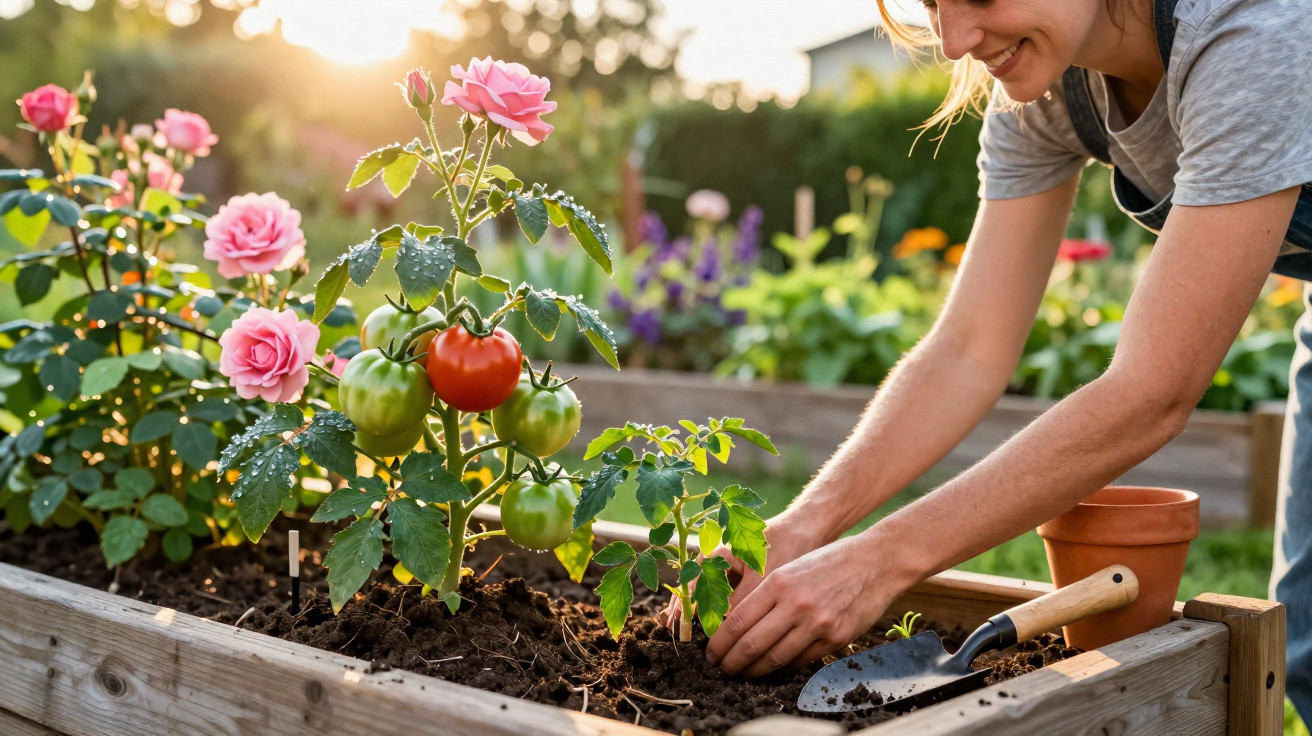
Many amateur gardeners face the same issue every year: aphids, fungal diseases and feeding damage spoil tomatoes, strawberries and roses long before the harvest or flowering period reaches its peak. Rather than reaching for a spray, increasing numbers of people are relying on companion planting. Chives, usually used merely as a garnish for scrambled eggs, play a surprisingly important role in this approach.
Why chives do far more than add flavour in the garden bed
Chives as a companion plant
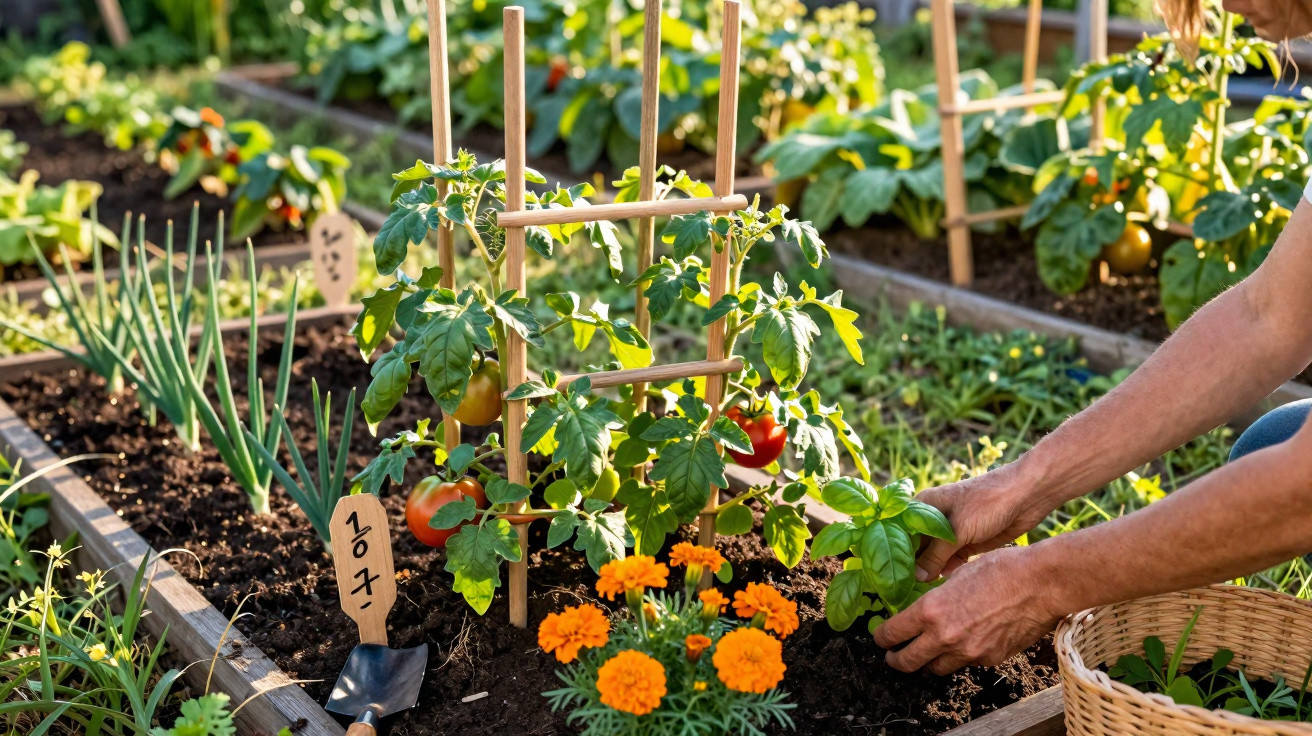
Chives (Allium schoenoprasum) belong botanically to the allium family. This perennial, frost-hardy plant develops very shallow roots. That is precisely why it makes an excellent neighbour in a garden bed: it can be planted easily among tomatoes, strawberries or roses without competing with them for water or nutrients.
Chives act like a natural protective canopy in the garden: they deter pests and weaken fungal diseases, while their flowers attract beneficial insects.
How chives deter garden pests
Allicin, a sulphur compound, is characteristic of allium plants. It produces the onion-like scent that makes them appetising to us but reliably drives away many pests. Garden observations indicate that chives can reduce, among other things, the following nuisances:
- Aphids
Comments
No comments yet. Be the first to comment!
Leave a Comment