
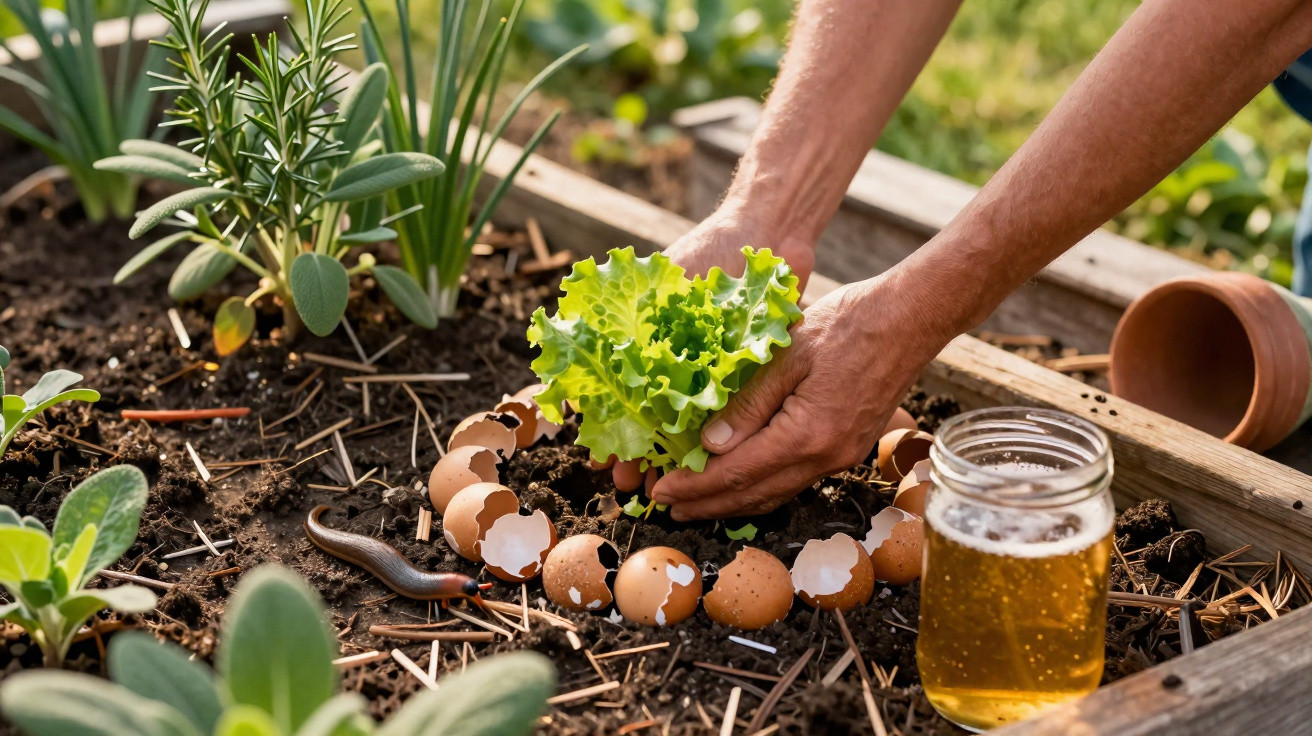
Spring is under way and the beds have been planted – yet young seedlings have suddenly vanished overnight.
What is causing it?
Many amateur gardeners will recognise the scene: healthy lettuce or kohlrabi seedlings in the evening, then nothing but nibbled stems and gleaming slime trails by morning. Slugs, particularly shell-less slugs, and their relatives are especially fond of fresh seedlings. A few straightforward household measures can greatly reduce the damage, without slug pellets or costly specialist products.
Why slugs eat your tender young plants
Slugs are drawn to moisture, mild conditions and soft food. Freshly watered beds containing newly sown seeds offer exactly that. They emerge in large numbers after rain or on warm, damp evenings. The plants most at risk include:
- lettuce, kohlrabi, courgettes and squash
- young bean and pea plants
- spinach and chard seedlings
- directly sown flowers, such as marigolds or zinnias
Their characteristic slime trails shine in the early morning light. Spotting these signs early lets you act quickly, before an entire bed is stripped bare.
“Anyone who understands slugs will have a much better harvest and far less frustration in the garden during spring.”
Trick 1: Water in the morning so the night stays dry
Many people water in the evening “so that the water soaks in better”. For slugs, this creates ideal conditions: damp soil, cool air and perfect feeding weather. Watering in the morning is the far more sensible approach.
Put it into practice like this:
- water between 6 am and 9 am
- water less often but thoroughly, rather than applying a little every day
- provide around 1–2 centimetres of water each week, depending on the soil type
This allows the surface to dry properly during the day while the roots still receive sufficient water. With drier nights, slug activity falls noticeably.
Trick 2: Rough barriers – small walls against slugs
Slugs travel on a layer of slime over smooth or wet surfaces. They avoid anything that scratches, pricks or dries them out sharply. This makes it easy to create simple protective rings around newly sown plants.
Proven materials for slug rings
- Eggshells: crush them thoroughly and scatter 6–8 shells in a circle around each plant.
- Wood ash: create a line 5–10 centimetres wide and replace it after rain.
- Dry coffee grounds: spread them thinly but densely around the seedlings.
- Coarse sand or fine gravel: lay a 3–5 centimetre-wide strip around the bed.
The key is to keep the material genuinely dry and rough. A thick layer of bark mulch right beside a plant is more likely to benefit slugs because it retains moisture. A loose, airy mulch, such as hemp bedding or dried fern leaves, works better when kept at a little distance from the plant itself.
Trick 3: The classic beer-trap method – used properly
Beer traps divide gardeners: some swear by them, while others reject them. When used correctly, they can draw slugs away from vulnerable beds.
To make a simple trap:
- Bury a cup or jam jar in the soil with its rim level with the surface.
- Pour in 150–200 millilitres of beer.
- Position the trap 30–50 centimetres away from the bed, rather than in the middle of the newly sown area.
The smell attracts slugs, which fall in and drown. If you do not want to use alcohol, mix the following instead:
- 200 millilitres of water
- 1 teaspoon of sugar or syrup
- a pinch of dried baking yeast
This mixture ferments slightly and has a similar effect. Replace it at least every two to three days; otherwise, the liquid turns and becomes less attractive.
Trick 4: Create hiding places – then collect slugs in the morning
During the day, slugs seek dark, damp shelter. You can use this behaviour to your advantage. By offering them suitable hiding places, you can gather them together and remove them in one go.
Suitable slug hiding places
- old roof tiles or flat stones
- wooden boards or thick pieces of cardboard
- upturned plant pots with a small entrance
Place these shelters around the edge of the vegetable garden, not directly in the bed. Keep them slightly moist, for example by watering nearby. Early in the morning, lift the boards or stones and collect the slugs gathered underneath.
“Purposeful shelters concentrate slugs – so you can intercept them in one place instead of searching the entire bed.”
Trick 5: Garden allies – animals that eat slugs
A thriving garden also attracts natural slug predators. Giving these animals space can reduce pressure on your beds over the longer term.
| Animal | How to attract it |
|---|---|
| Hedgehogs | Untidy corners, piles of leaves and a small wooden hedgehog house |
| Toads and frogs | A shallow water feature, small ponds and partly shaded areas with stones |
| Birds | Hedges, shrubs, bird baths and a garden that is not completely sterile |
| Chickens | Let them into harvested beds temporarily when needed – they will peck through them thoroughly |
In a vegetable garden, it is worthwhile keeping one area deliberately a little wild. Beneficial wildlife can find shelter there. A small pond or a galvanised tub filled with water is a simple way to create habitat for amphibians.
Trick 6: Plant-based scent barriers – herbs as bodyguards
Certain plants deter slugs or at least divert their attention. They work well as a protective belt around sensitive crops.
- Tagetes (French marigolds): plant 1–2 plants per metre along the bed edge.
- Strongly scented herbs: mint, thyme, rosemary, sage and chives – grow them as a strip around lettuce or brassica beds.
- Garlic and onions: plant them between lettuce rows before the slugs arrive.
- Mustard: sow it as a “sacrificial crop” to take pressure off the main crops.
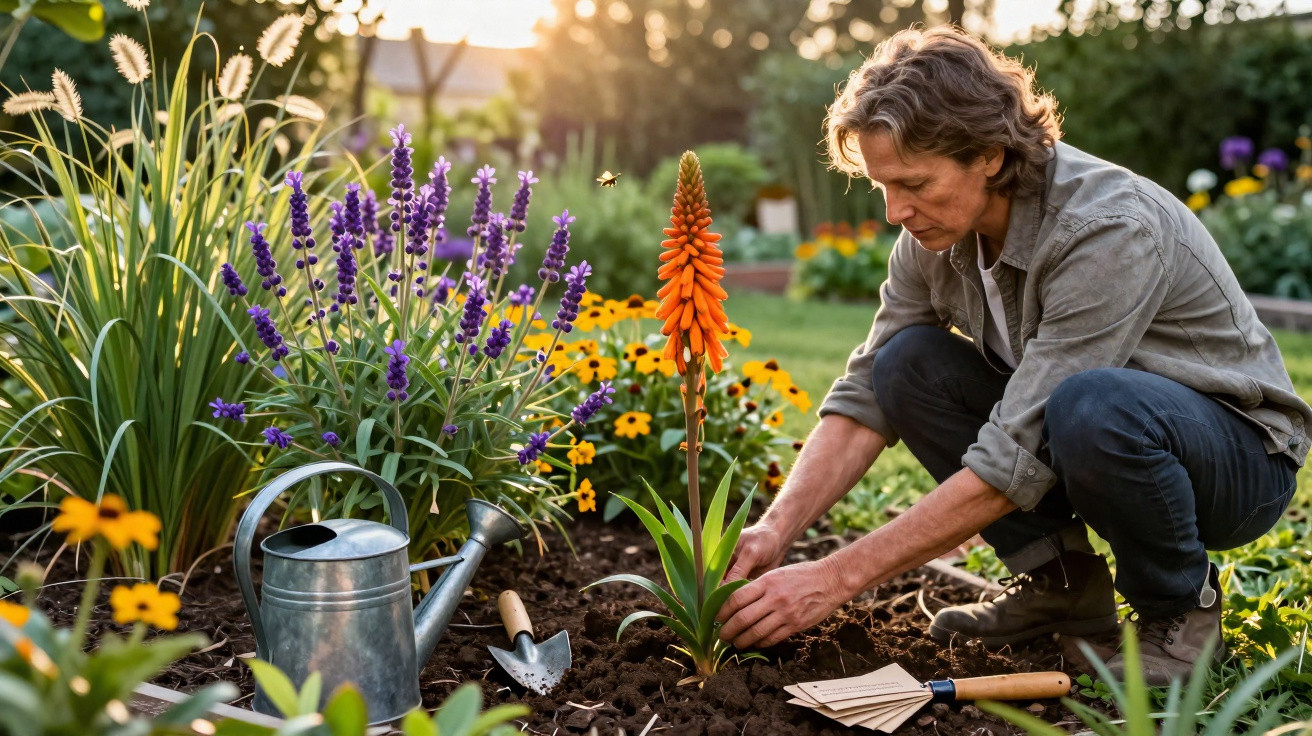
These fragrant plants are not only attractive: they also provide culinary herbs and can influence pests such as aphids. The result is a mixed vegetable bed that is generally more resilient.
When slugs have already eaten everything
Sometimes you only notice the problem once half the bed has been eaten bare. In that situation, use several measures together to regain control:
- water consistently in the morning
- install several barriers, using eggshells, sand and coffee grounds
- place beer or yeast traps near the beds
- provide shelters and collect slugs every day
For anyone wishing to use biological controls, specialist retailers sell nematodes for slugs. These are microscopic roundworms that target particular species. They are applied with water and enter the slugs. Always follow the instructions on the packet, as temperature and soil moisture affect how well they work.
Why slug pellets are rarely a good choice in a home garden
Many slug pellets endanger more than just these slimy pests; they can also pose a risk to pets, hedgehogs and birds. Even “organic” options may have side effects when spread generously. In a small garden, mechanical and ecological methods are usually entirely sufficient.
There is another consideration: poison does not only remove the visible slugs, but also disrupts the balance of life in the soil. Natural predators find less prey and move away. Slug populations can then recover quickly, and the cycle starts again.
Practical combinations for different garden types
For a small town garden with raised beds
- use a metal or wooden raised bed with an additional slug collar
- water in the morning and keep the top layer of soil loose
- use coffee grounds and eggshells in rings
- set one or two beer traps some distance from the bed
For a large country garden
- place board and stone shelters around the edges
- provide a small pond or water container for amphibians
- leave wild corners with leaf piles for hedgehogs
- plant strips of scented plants around the most important vegetable beds
Once you know your garden, you will soon notice where the usual slug routes run. These are precisely the areas where a particularly dense combination of traps, barriers and shelters is worthwhile.
What many people underestimate: habits make the difference
Gardening often relies on routines. Even small changes have a strong effect: water in the morning rather than the evening, automatically inspect boards and shelters after rain, and plan herb strips when planting out. These habits noticeably reduce springtime stress.
If you have children, involve them in collecting slugs – many find it exciting to check the shelters or crush eggshells. Slug control then becomes almost a small project in which everyone benefits: less frustration in the beds, sturdier young plants and a garden that gradually returns to balance.
Comments
No comments yet. Be the first to comment!
Leave a Comment