
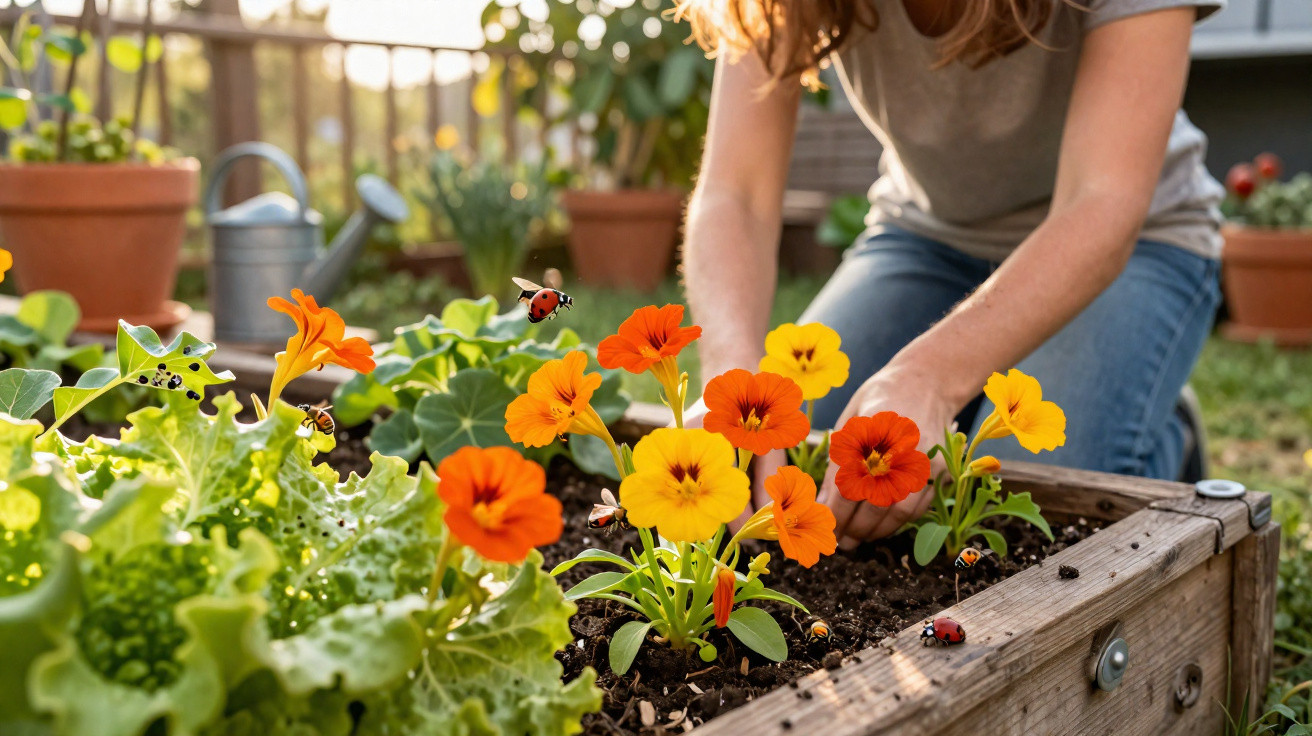
Between tomatoes, beans and courgettes lies an almost forgotten aid from your grandmother’s era: a brightly flowering plant that was once a standard feature of every kitchen garden. It diverts pests, attracts pollinators and strengthens the entire system – provided it is planted in time from March onwards.
Traditional gardening knowledge: why one flower transforms the bed
Nasturtium used to grow in almost every cottage garden, before fertilisers and sprays pushed this traditional knowledge aside. It is now making a return, thanks to hobby gardeners who want less poison and more nature in their beds.
“Nasturtium acts like a living protective ring: it attracts pests, feeds beneficial insects and brings colour to the vegetable bed.”
March is particularly important. Anyone preparing their beds now can incorporate nasturtiums from the outset. Whether planted outdoors, in a raised bed or in a container on the balcony, this adaptable plant needs very little care. Even so, it can have a major impact on the whole garden ecosystem.
Sow from March: the ideal time for this protective trick
An early start gives your bed an advantage
As soon as the harshest frosts have passed and the soil begins to thaw, it is worth sowing. In March, you can sow nasturtiums:
- directly into the bed once the ground is no longer frozen; or
- in pots for an early start, before placing them later between vegetable rows.
Starting early brings a clear benefit: the plants will already have developed strong roots and plenty of foliage before sensitive vegetables such as beans, peas or courgettes go into the bed. When your vegetables begin to grow, the “flower guard” will already be in position.
How to sow successfully in everyday gardening
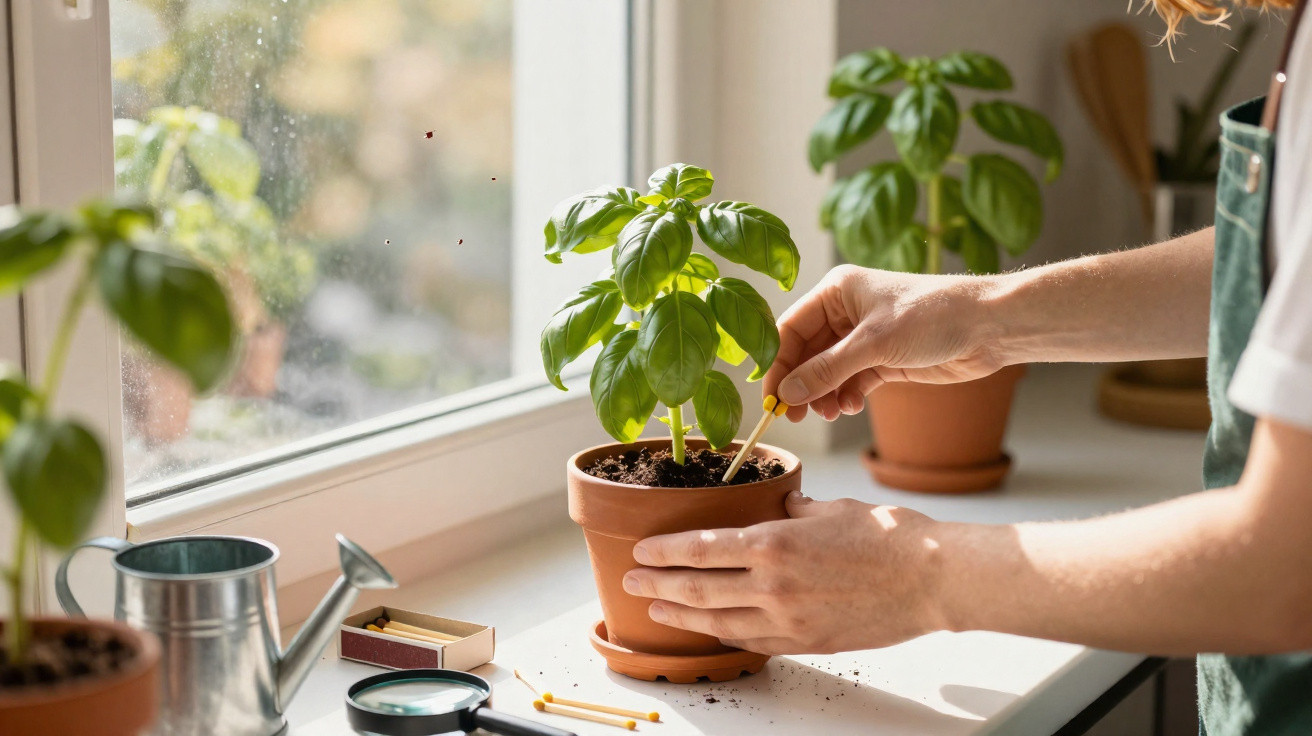
Nasturtium seeds are relatively large, making them easy to place by hand. This simple method is enough:
- Loosen the soil shallowly and remove any large stones.
- Place the seeds about 2 cm deep in the ground.
- Leave around 30–40 cm between each sowing position.
- Cover them with soil and press it down lightly.
- Water gently, without creating puddles.
A humus-rich, slightly moist soil is entirely sufficient. The plant does not need premium compost from a garden centre; it will also grow reliably in ordinary garden soil.
Living shield: how the flower intercepts aphids
A decoy plant: aphids “sacrifice” themselves to nasturtiums
Perhaps the most interesting effect is that nasturtium works as a so-called sacrificial plant. Its plant sap is especially attractive to certain aphids, including the black bean aphid type. Rather than colonising your beans and peas, the insects preferentially descend on the flower’s leaves.
For the gardener, this means the vegetable rows remain noticeably calmer, while the main attacks are concentrated on one highly visible plant. Anyone who checks the garden regularly will spot the aphids sooner and can take targeted action, for example by:
- wiping off affected shoots;
- cutting away particularly heavily infested trailing stems;
- using a strong jet of water to wash the aphids from the plant.
Aphids automatically attract beneficial insects
A second effect follows immediately: where large numbers of aphids gather, their natural enemies soon appear. Nasturtiums therefore act like a buffet for beneficial insects. Particularly welcome visitors include:
- ladybirds and their larvae;
- hoverfly larvae;
- lacewing larvae.
These insects consume large quantities of aphids before spreading throughout the entire bed. This creates a living predator-prey cycle and reduces the need for sprays to zero.
“Anyone who plants nasturtiums creates their own miniature balance of pests and beneficial insects – entirely without poison.”
A magnet for bees: more flowers, more fruit, more harvest
Bright colour signals for every pollinator
The large, open nasturtium flowers shine in orange, yellow or red and contain plenty of nectar. To bees and bumblebees, they resemble colourful landing strips. Among the more inconspicuous flowers of tomatoes, strawberries or squash, they provide highly visible signals.
When bees arrive because of the nasturtiums, they also visit the plants growing nearby. With every visit, pollen moves from flower to flower – and this is what later produces fruit and pods.
Useful everywhere, from balconies to orchards
This plant is not limited to large cottage gardens. It also suits:
- raised beds in terraced-house neighbourhoods;
- balcony boxes with tomatoes and peppers;
- containers beside fruit trees or berry bushes.
Those who place nasturtiums along vegetable rows and around bed edges will usually notice two things: more pollinated flowers and evenly shaped fruit. This is especially noticeable with squash, courgettes and cucumbers.
How to position nasturtiums ideally in the bed
Make smart use of gaps between rows and bed edges
Positioning determines how effective the plants will be. Ideally, they should form a network running through the entire bed. A practical layout for a typical vegetable bed is:
| Location | Function |
|---|---|
| Bed edges | A colourful protective band against aphids that attracts pollinators |
| Between rows of beans and peas | Sacrificial plant for black aphids |
| Near cabbage and lettuce | Disrupts the scent trail of pests and creates greater diversity |
| Around courgettes, squash and cucumbers | Supports pollination and crop yield |
Trailing varieties can be guided along the ground or trained on small canes. Low, bushy varieties are well suited to bed borders or pots.
Watering without fuss: keeping nasturtiums vigorous
Nasturtiums are forgiving plants, but they prefer soil that remains slightly moist. During dry spells:
- water less often but thoroughly;
- apply water directly to the root area;
- keep the leaves as dry as possible.
This helps to prevent fungal diseases while also benefiting neighbouring vegetable plants, as good watering practice carries across the entire bed.
More than decoration: what else the flower does in the garden
Two roles from one sowing: protection and yield
A handful of seeds gives you two functions in the bed at once: protection against aphid infestation and support for pollination. This interaction is precisely what makes the approach so appealing. Your vegetable garden becomes more diverse, more lively and requires fewer interventions.
The method is financially worthwhile too. Instead of buying expensive sprays, you purchase seeds once, and the plants often self-seed afterwards. The result is a healthier, more stable system that works better year after year.
Edible, attractive and a route into natural gardening
Many people forget that nasturtiums are not simply ornamental plants. Their leaves and flowers are edible, with a mildly peppery taste similar to cress. They work in salads, on bread or as colourful plate decoration. Part of the protective system can therefore even end up in the kitchen.
People who begin with this plant often take their first step towards more mixed planting in the garden: pot marigolds against nematodes, French marigolds for certain soil issues, and herbs such as thyme or sage to deter pests with their scent. Nasturtiums demonstrate particularly clearly how effectively plants can support one another – without glossy theory.
When you create your rows for carrots, beans or tomatoes over the next few days, it is worth picking up that small extra packet of seeds. Plant a few nasturtium seeds among them, and your vegetable bed will gain a colourful protective shield that starts working from the first month of spring.
Comments
No comments yet. Be the first to comment!
Leave a Comment