
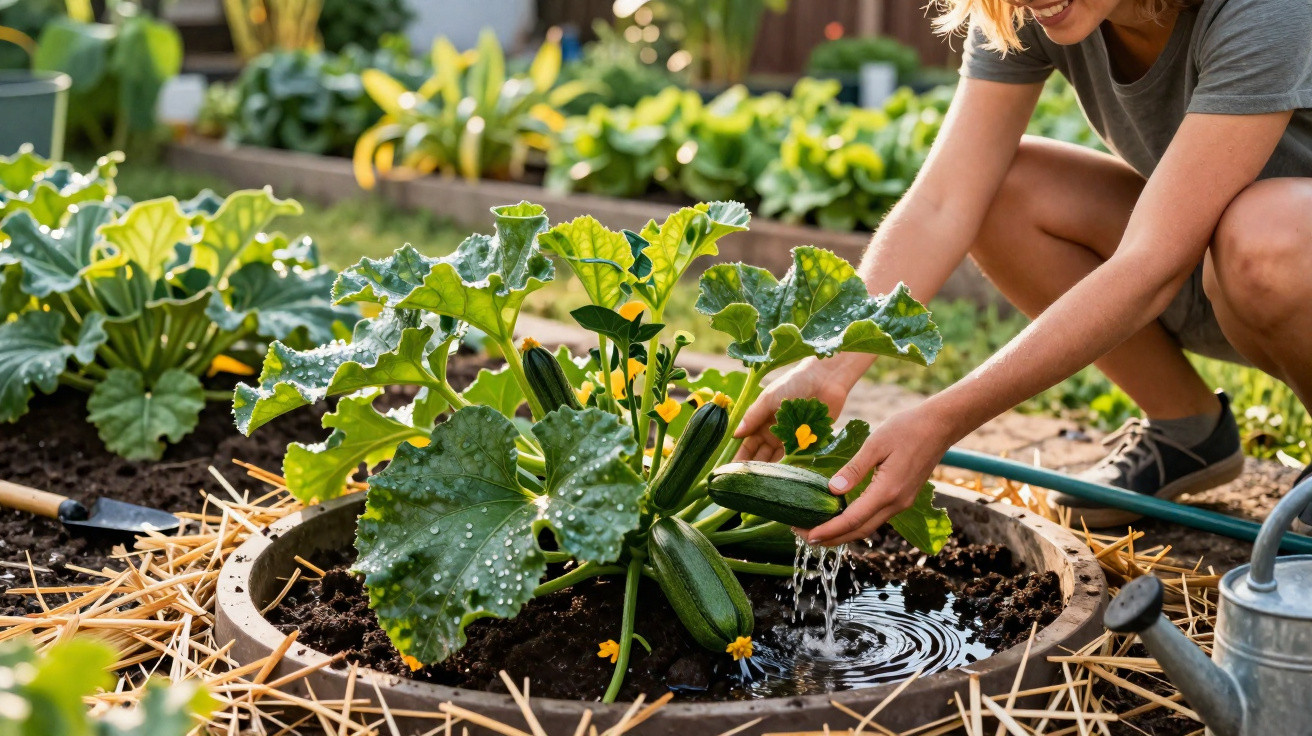
Courgettes are often seen as an easy vegetable to grow, yet the gap between harvesting a few fruits and filling boxes can often come down to watering. A simple, tailored watering technique can increase the yield by several kilos per plant, without excessive fertiliser or costly equipment.
Why courgettes need so much water – yet can quickly ‘drown’
Courgette plants grow quickly, producing plenty of leaves and fruit. This demands energy and, above all, water. At the height of summer, each plant needs roughly one 5-litre watering-canful two to three times a week on average.
“Courgettes love consistent moisture, but they hate waterlogging and permanently wet leaves.”
Simply emptying a watering can over the plant can cause several issues:
- the soil becomes compacted and develops a hard crust;
- water runs away sideways instead of reaching the roots;
- foliage stays wet, making fungal diseases more likely;
- the roots receive too little oxygen and become weaker.
The result is fewer flowers, more rot, small or misshapen fruits, and a noticeably lower yield.
The key principle: apply water slowly rather than all at once
The crucial point is not to alter the amount of water, but to change how it reaches the soil. The aim is to create a deep, moist root zone without flooding the plant.
This effective approach uses three straightforward elements:
- a small watering basin around the plant;
- several short watering sessions instead of one large deluge;
- leaves kept as dry as possible and shaded soil.
Creating a watering basin: the courgette ‘water crater’
Using your hand or a small hoe, shape a shallow basin around each plant, approximately 30–40 centimetres across. Its rim should sit a few centimetres above the surrounding ground.
This basin functions like a miniature cistern:
- water remains directly above the root zone;
- it does not run off unused to the sides;
- moisture gradually soaks down into the ground.
“The watering basin ensures that every litre reaches the place where the courgette needs it – deep in the soil, not on the surface.”
How progressive watering works in practice
Rather than pouring a full 5-litre can out in one go, water in stages:
- First, let one to two litres run slowly into the basin.
- Wait a few minutes for the water to soak in.
- Add more water in small amounts.
- Spread the planned 5 litres per plant over one or two rounds.
If you have several plants, work your way around them: water plant 1, then plants 2, 3 and so on, before returning to the first one.
This prevents the soil from becoming compacted and water from flowing away across the surface. Instead, an even cone of moisture forms beneath the plant, encouraging roots to grow downwards and making them more resilient.
Timing: when courgettes genuinely need a drink
The success of this method depends not only on quantity, but also on when you water.
- Water in the morning: This is ideal because foliage dries rapidly and the soil retains moisture throughout the day.
- Water in the evening: Do this only if you water consistently at soil level and keep the leaves dry.
- Never water in intense midday sun: Water evaporates before it can work, while droplets may act like magnifying glasses on leaves.
In spring, shortly after planting out, a moderate watering schedule is often enough. As temperatures rise and growth becomes more vigorous, demand increases substantially.
“As a rule of thumb, it is better to water less often but thoroughly than to give plants just a little every day.”
Getting started: from seed to a strong courgette plant
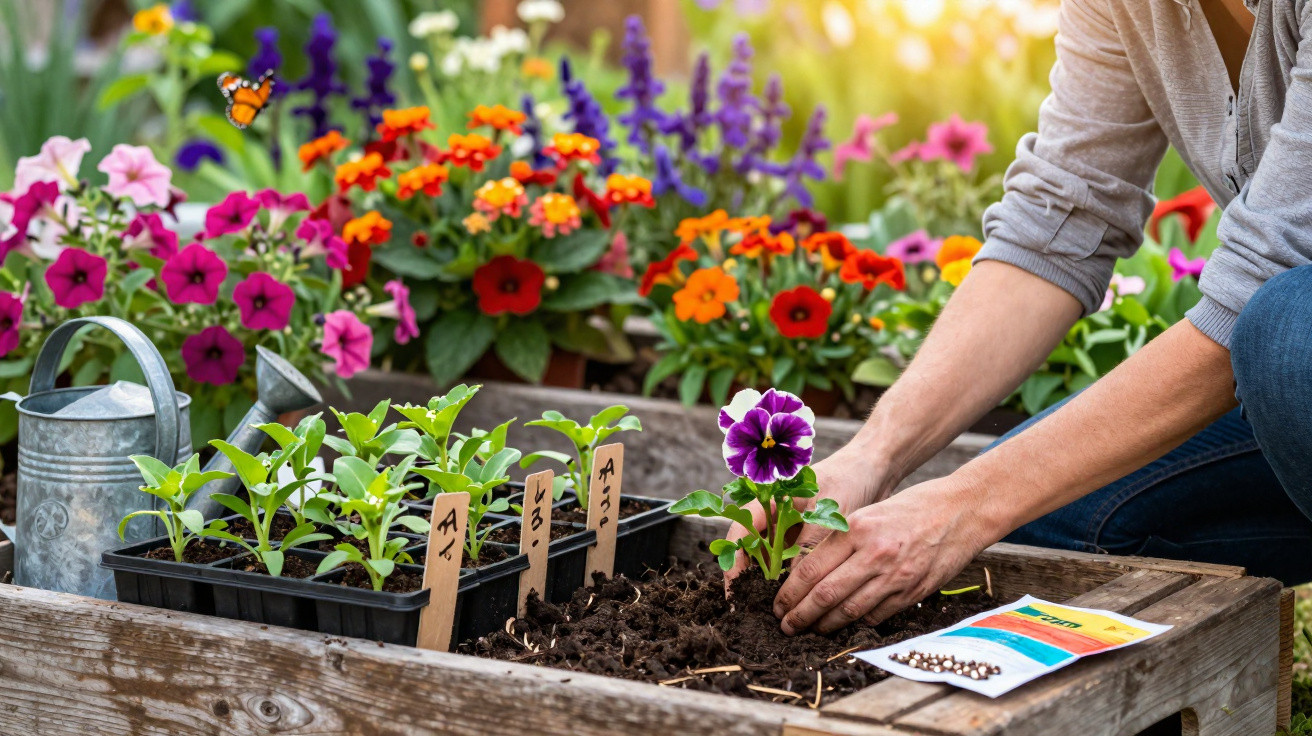
Many gardeners start courgettes in small pots. Young plants should only be moved into the bed once nights are frost-free and the soil has reached at least 12 to 15 degrees.
These measures support a strong start:
- choose a sunny position;
- prepare loose, humus-rich soil;
- work in plenty of compost so sufficient nutrients are available;
- create a watering basin from the outset.
Water thoroughly once after planting so that the soil settles well around the roots. Then use the progressive watering method: infrequent but deep watering that encourages the root ball to grow downwards.
Increasing the harvest: do not ‘forget’ your courgettes
Courgettes are among the vegetables that keep producing as long as the plant remains healthy. Harvesting regularly encourages the formation of new flowers and fruits.
“Those who harvest reward the plant: it produces more flowers and therefore more courgettes.”
A few practical rules will help you get the most from every plant:
- Do not allow courgettes to grow too large – medium-sized fruits are more tender and encourage further fruit production.
- Never tear roughly at the stem; instead, cut just above the attachment point with a knife or secateurs.
- Check plants regularly so that no large ‘clubs’ are missed beneath the dense foliage.
However, do not harvest too early either: unripe fruits store poorly and have a watery taste. A ripe courgette has firm yet still tender skin and a clearly shaped fruit that comes away easily.
Mulch, nutrients and disease: what supports the watering method
Progressive watering is most effective when paired with a few simple additional measures.
Mulching to prevent drying out and crust formation
Bare soil heats up considerably and can easily form a hard surface. A thin layer of mulch made from grass clippings, straw or leaves slows evaporation and keeps the soil structure loose.
- Less watering is needed because moisture remains for longer.
- A dense crust does not form, which would otherwise send watering water sideways.
- Weeds provide less competition.
Combined with the watering basin, this creates a moist, loose environment in which courgette roots have plenty of room.
Nutrients: courgettes are truly heavy feeders
Even excellent watering has limited value if the soil is depleted. Courgettes respond strongly to organic fertilisation:
- work in generous amounts of compost before planting;
- fertilise again with plant feeds during summer if necessary;
- change the growing position every few years to prevent soil exhaustion.
Well-nourished plants produce more flowers, allowing the full potential of the watering method to be realised.
Common mistakes that ruin the harvest
Many gardeners remain well below the possible 3 to 5 kilos per plant because several small mistakes add up.
| Mistake | Consequence |
|---|---|
| only giving a small amount each time | Roots remain near the surface and the plant dries out faster |
| watering over the leaves | Higher risk of fungal disease and rot |
| no mulch and a hard crust | Water runs away and the soil becomes oxygen-poor |
| harvesting too late | The plant puts energy into huge fruits instead of producing new ones |
Keeping these points in mind while using the progressive watering technique will quickly take you closer to the upper end of the possible harvest.
How to spot problems and respond in time
Leaves and fruits reveal a great deal about water supply:
- limp leaves in the evening – check the soil; the day may have been particularly hot;
- yellowish leaves in constantly wet soil – increase the gaps between watering and loosen the ground;
- fruits with soft, rotten ends – irregular watering encourages blossom-end rot.
In this respect, the progressive method acts like insurance: it reduces extreme fluctuations and keeps conditions more consistent, which noticeably benefits the plant.
More than water: why the system benefits the whole garden
Once gardeners begin watering courgettes in this considered way, they often apply the same principle to other crops. Squashes, cucumbers, tomatoes and even berry bushes benefit from suitably shaped watering basins and water applied in stages.
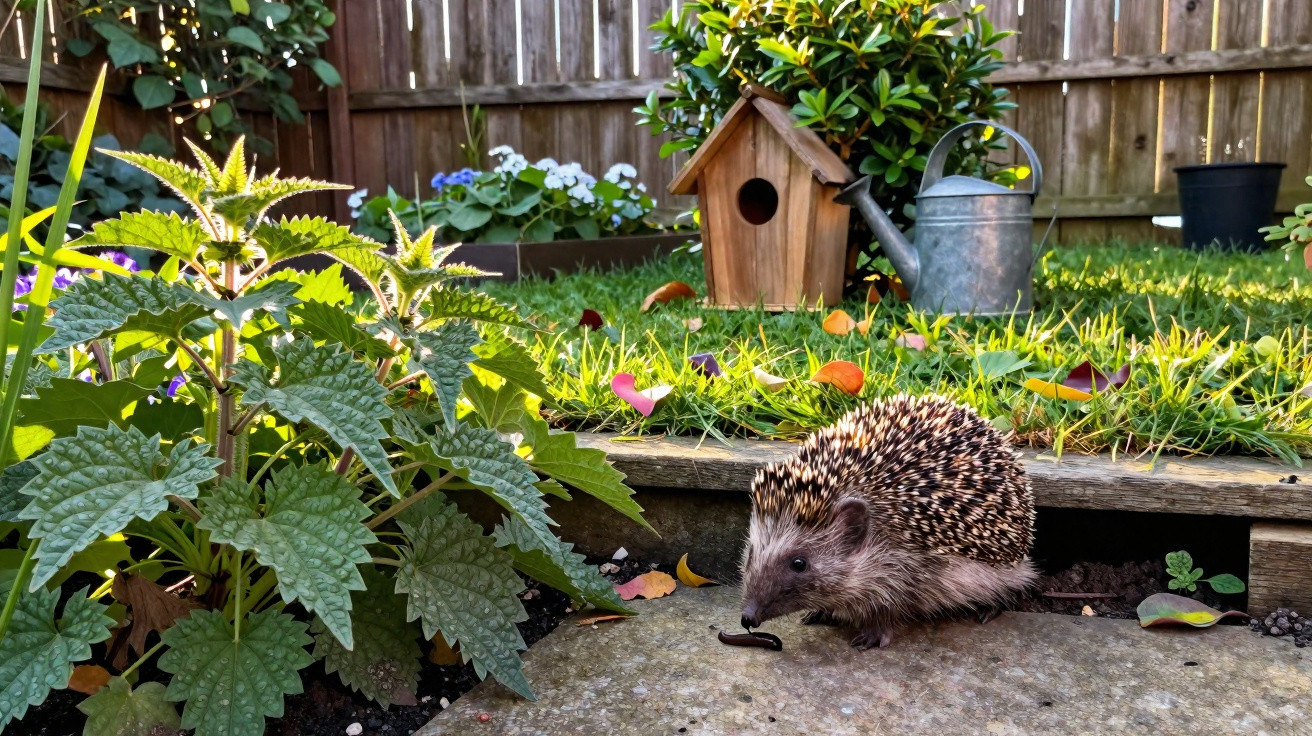
Over time, soil structure also improves because the ground is not continually compacted. Earthworms and other soil life thrive more readily in loose, moist but not waterlogged soil, and this is reflected in both the growth and flavour of the harvest.
With the method described, an apparently ‘ordinary’ courgette plant becomes a small production site: from early summer until autumn, it delivers a dependable supply when water, nutrients and harvesting time work together.



Comments
No comments yet. Be the first to comment!
Leave a Comment