
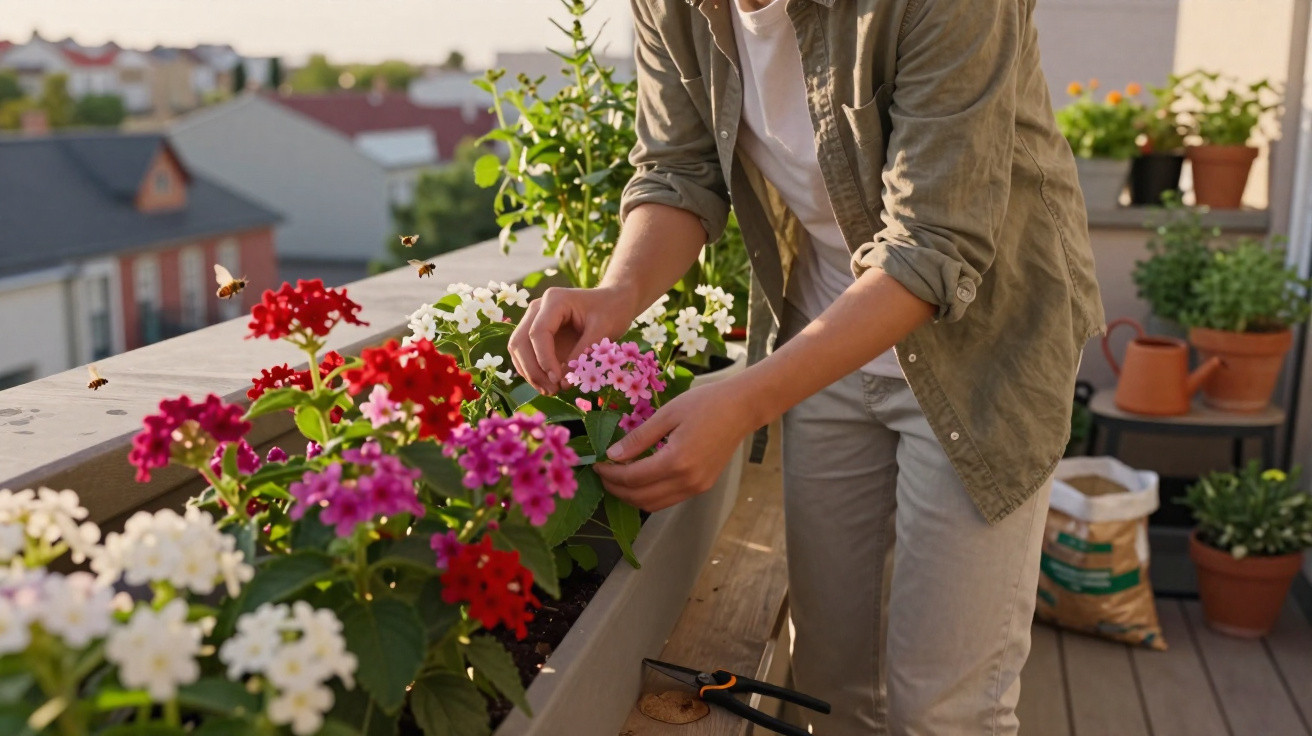
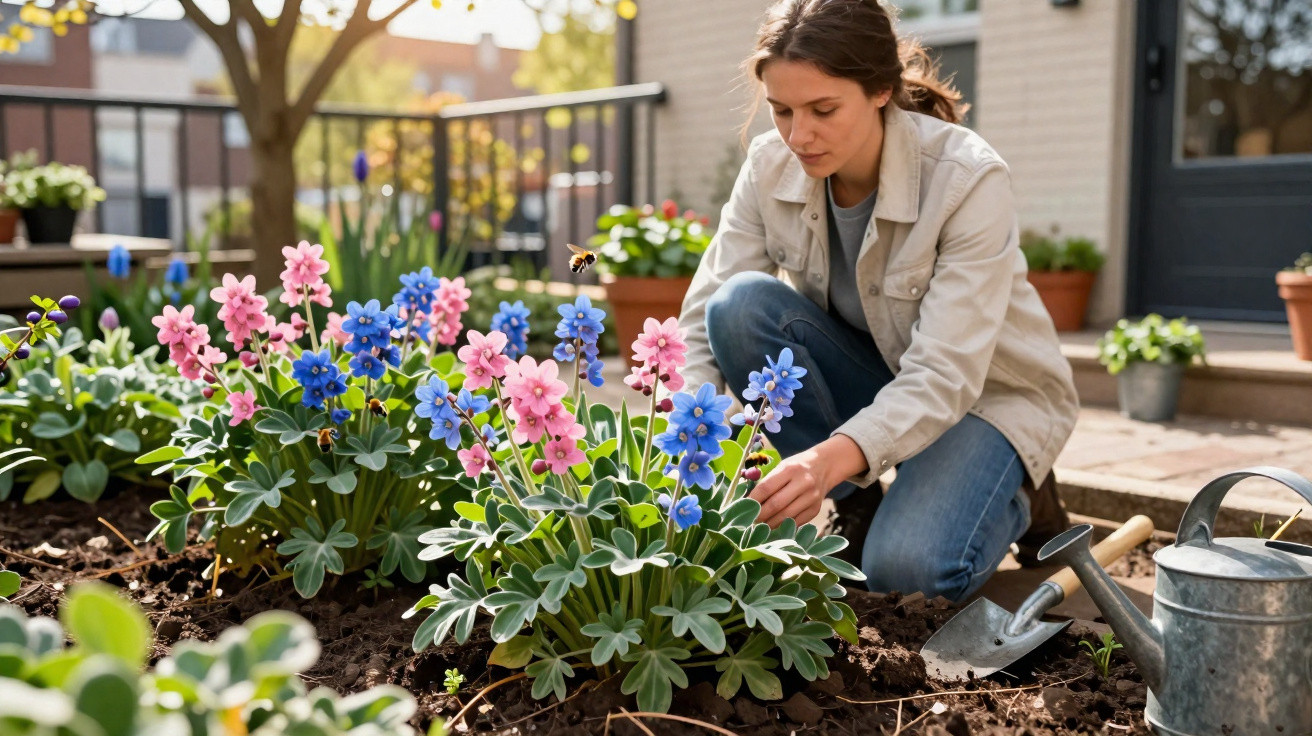
If you want to support bees and butterflies, it is easy to end up looking at complicated perennial planting schemes, costly wildflower seed mixes or delicate roses. Yet one flower offers months of bright colour with very little effort and acts as a real refuelling stop for pollinators: the Pentas star flower. Plant it now and, by summer, even the smallest balcony can be filled with a colourful display of blooms.
The little-known star flower: what Pentas really is
Pentas lanceolata, usually known simply as Pentas or the “Egyptian star cluster”, originally comes from East Africa and Yemen. In a garden border or on a balcony, it forms a bushy cushion of flowers around 40 to 50 centimetres tall.
Its defining feature is its dense, rounded flower heads, each made up of countless individual star-shaped flowers. The available colour range is surprisingly extensive:
- vivid red
- candy pink
- fuchsia and lavender
- pure white
- some bicoloured varieties with a coloured centre
In warm climates, Pentas is a perennial, but in the UK it is generally grown as an annual summer flower. Even so, it can flower almost continuously from May until autumn, giving it a clear advantage over many traditional bedding plants.
“Pentas is the sort of flower you plant once and then almost forget about all summer – apart from admiring the colours.”
Why bees and butterflies love Pentas
The true appeal of Pentas lies within its flowers: it is a genuine nectar plant. Its tubular blooms are tightly grouped in eye-catching clusters. To pollinators, they work like a large, brightly lit sign saying: “There is something here to collect”.
Anyone aiming to do more for garden wildlife gains several benefits at once:
- A continuous food source: Its long flowering season supplies nectar and pollen from late spring well into autumn.
- Excellent landing platforms: Butterflies can settle on the flat flower heads, while bees can move efficiently from one bloom to the next.
- Ideal for “nectar corridors”: Combined with other flowering plants, Pentas helps create an uninterrupted feeding route through the garden.
Pentas can be especially valuable in densely built-up neighbourhoods or on balconies. Where flowering plants are otherwise scarce, a pot on a balcony may quickly become the only destination for insects nearby.
The best position: where Pentas thrives
For the star flower to perform at its best, it needs warmth and light above all else. It cannot tolerate frost in the UK climate, so keep the following in mind:
- Planting time: from spring onwards, once night frosts are no longer expected
- Position: sunny to very bright; in hot areas, a little afternoon shade is welcome
- Temperature: consistently above 5°C, with 15 to 25°C being ideal
The soil must be neither waterlogged nor poor. A loose, humus-rich garden soil or good-quality compost for containers is suitable. Slightly sandy or clay-heavy soils can be improved with compost. A near-neutral pH level of around 6.5 to 7.2 is particularly well suited.
Planting Pentas in a border – three simple steps
Planting is straightforward and suitable even for beginners:
- Pick a sunny border and loosen the soil, mixing heavy ground with sand and compost.
- Dig a planting hole roughly twice as wide as the root ball, position the plant and gently firm the soil around it.
- Water thoroughly, then add a thin layer of compost or mulch to help retain moisture.
In a border, spacing of 25 to 30 centimetres is usually enough. For a continuous ribbon of flowers, place the plants slightly closer together.
Pentas in pots or window boxes
Pentas is particularly effective on a patio or balcony. The key points are:
- use a large pot with a drainage hole so water cannot collect
- choose loose potting compost, ideally mixed with a little sand or expanded clay
- only use saucers if they do not allow permanent waterlogging
For a lush effect, plant three to five specimens in a longer window box. Pairing them with trailing plants creates a lively, layered arrangement that acts like a small oasis for insects.
Easy summer care: watering, feeding and trimming
Pentas is considered “low-maintenance with a small extra requirement”. Its basic care needs are simple, although one small task makes a noticeable difference to the quantity of flowers.
Watering correctly – without waterlogging
These plants prefer soil that remains evenly and lightly moist, rather than permanently wet:
- in borders, water regularly at first, then only during extended dry spells
- in pots, water usually two to three times a week in summer
- allow the top layer of compost to dry slightly between watering sessions
Avoid leaving water standing in a saucer, as this can damage the roots. If you are away regularly, a simple terracotta cone watering system can help.
Feeding for continuous flowering
To keep flowering for months, Pentas needs a modest supply of nutrients. A realistic care routine is:
- work a portion of organic fertiliser or compost into border soil in spring
- for potted plants, add liquid fertiliser for flowering plants to the water every two weeks
Excess fertiliser mainly produces foliage at the expense of flowers. A moderate amount is entirely sufficient.
Removing spent flowers – the boost for fresh blooms
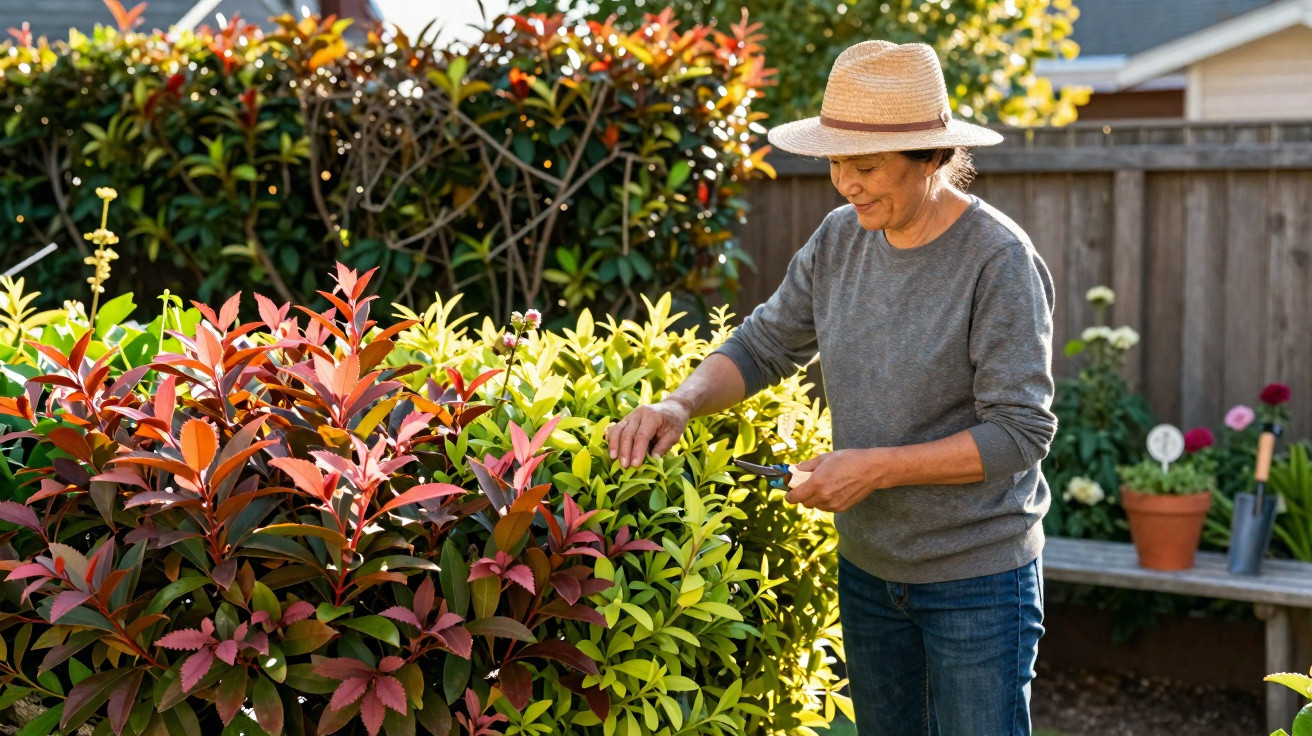
Just a few minutes once a week can bring back considerably more colour. Simply cut off faded flower clusters just above a pair of leaves. The plant will then produce fresh side shoots and new buds.
“Anyone who regularly deadheads Pentas can easily extend the flowering season into autumn – creating a constant table for pollinators.”
Combining Pentas: colourful insect magnets working together
Pentas makes an especially strong impression when planted alongside other nectar-rich plants. This creates borders that look attractive while also making a genuine contribution to biodiversity.
Reliable partners for gardens and containers include:
- lavender – a classic bee favourite that adds fragrance and structure
- sage – long-flowering, available in many varieties and robust
- verbena – delicate, tall flower stems that are very popular with butterflies
- catmint – undemanding, long-flowering and highly attractive to insects
Thoughtfully combined planting schemes can provide food continuously, from the first warm days through to the first cool nights.
Overwintering or replanting – which is worthwhile?
In particularly mild areas with frost-free winters, Pentas can remain perennial. This rarely works outdoors in temperate parts of Europe, but container-grown plants have a chance:
- move the pot to a bright, cool place indoors or in a conservatory before the first frost
- water much less, while ensuring the compost does not dry out completely
- in late winter, cut the shoots back by around one third to encourage compact new growth
Nevertheless, many home gardeners choose to buy or raise new Pentas plants each year. They grow quickly and already deliver an impressive flowering display in their first summer.
Common beginner mistakes – and how to avoid them
The usual pitfalls are easily prevented:
- Too little light: In shade, plants produce long, thin shoots and very few flowers. Move them to the sunniest available spot instead.
- Waterlogging in pots: A drainage layer of expanded clay or coarse gravel at the base of the container prevents wet roots.
- Neglecting flower care: Remove faded clusters regularly, otherwise flowering will slow down.
Anyone who follows these three points will generally have very little work with Pentas – and a garden that not only bursts with visual colour at the height of summer, but also comes alive with the sound of buzzing and fluttering visitors.
Added value for gardens and balconies as small ecosystems
Pentas is more than simply an attractive summer flower. It brings together three things that rarely coincide in everyday gardening: minimal maintenance, strong visual impact and real benefits for pollinators. At a time when insect populations are declining, every area offering food, shelter and orientation matters.
Anyone starting a rented-balcony gardening project or wanting to improve a dull border quickly will find Pentas an almost ideal choice. A few plants, some water and the occasional use of secateurs are all that is needed to turn an outdoor space into a colourful, living corner that benefits both people and insects.
Comments
No comments yet. Be the first to comment!
Leave a Comment