
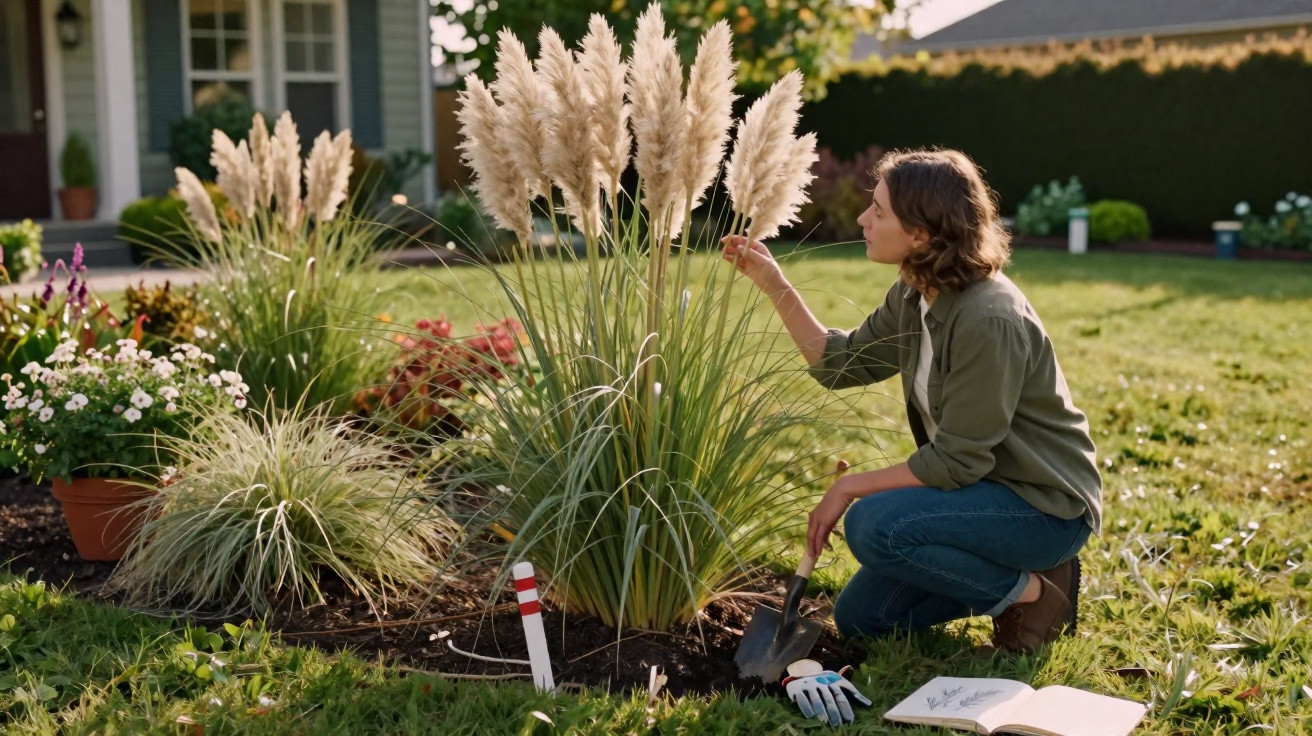
Pampas grass was the darling of Instagram gardens, boho décor and front gardens on new-build estates for years. Since 2023, however, the plant has been subject to strict controls in France because it displaces native species and is considered a genuine threat to nature. This raises a question that is also being asked ever more loudly in Germany: just how dangerous is this ornamental grass – and should amateur gardeners remove it altogether?
From décor star to a concern for the authorities
Pampas grass, botanically known as Cortaderia selloana, originates in South America. It forms dense clumps that are often more than 2 metres tall and almost as wide. Its famous cream-coloured flower plumes are spectacular to look at – but they also produce vast quantities of seeds.
Each plume can generate hundreds of thousands of tiny seeds. They are exceptionally light and can be carried for kilometres by the wind. As a result, pampas grass is found not only in gardens, but also:
- on roadside embankments and motorway verges
- on vacant land and former industrial sites
- in coastal dune landscapes
- in wetlands and along riverbanks
In these places, it pushes out native plants by taking their light, water and nutrients, while creating dense stands in which hardly any other species can survive. This is precisely why France has classified pampas grass as an “invasive non-native species”.
“Pampas grass spreads quickly, displaces native plants and can alter entire habitats – which is why the authorities classify it as an invasive species.”
Why pampas grass is tightly regulated in France
Since a decree issued in March 2023, pampas grass has appeared on France’s list of prohibited plants. Officially, keeping living specimens is permitted only under highly restrictive conditions. The rules stem from an EU regulation requiring Member States to limit or control invasive species.
There are several reasons for this:
- Threat to biodiversity: The grass forms impenetrable clumps that can entirely displace other plants. Many specialist insects consequently lose their food plants.
- Fire risk: Dry clumps ignite easily and can encourage fires close to homes.
- Health: Its pollen can affect allergy sufferers and trigger symptoms similar to those caused by grass pollen.
- Risk of injury: Its leaves are extremely sharp and can cut skin and eyes – particularly problematic in family gardens.
In France, illegally introducing, selling or propagating pampas grass can result in substantial penalties, including up to three years in prison and heavy fines. In practice, these measures are aimed primarily at retailers, importers and commercial growers rather than an individual householder with an established clump in the front garden. However, the legal basis makes no such distinction: the ban applies to everyone.
What is prohibited and what remains allowed
In simplified terms, the French rules can be summarised as follows:
| Activity | Status in France |
|---|---|
| Planting new specimens | prohibited |
| Buying or selling living plants | prohibited |
| Transporting seeds or young plants | prohibited |
| Keeping an existing plant in the garden | tolerated, subject to conditions |
| Dried decorative plumes, for example in the living room | permitted |
One important detail is that the ban applies only to living plant material capable of reproducing. Completely dried, dead plumes displayed in vases are not regarded as a risk and remain permitted.
Does existing pampas grass need to be pulled up?
A clump planted before 2023 does not have to be removed immediately in France. There is no nationwide requirement to pull out established plants straight away. Instead, policy focuses on strict restrictions for new planting and on informing garden owners.
Nevertheless, the owner remains responsible. Anyone leaving pampas grass in the garden should ensure that it cannot spread without control. Specialists recommend clear precautions:
- Remove flower plumes before they ripen and produce seeds.
- Do not divide clumps or move them to another location.
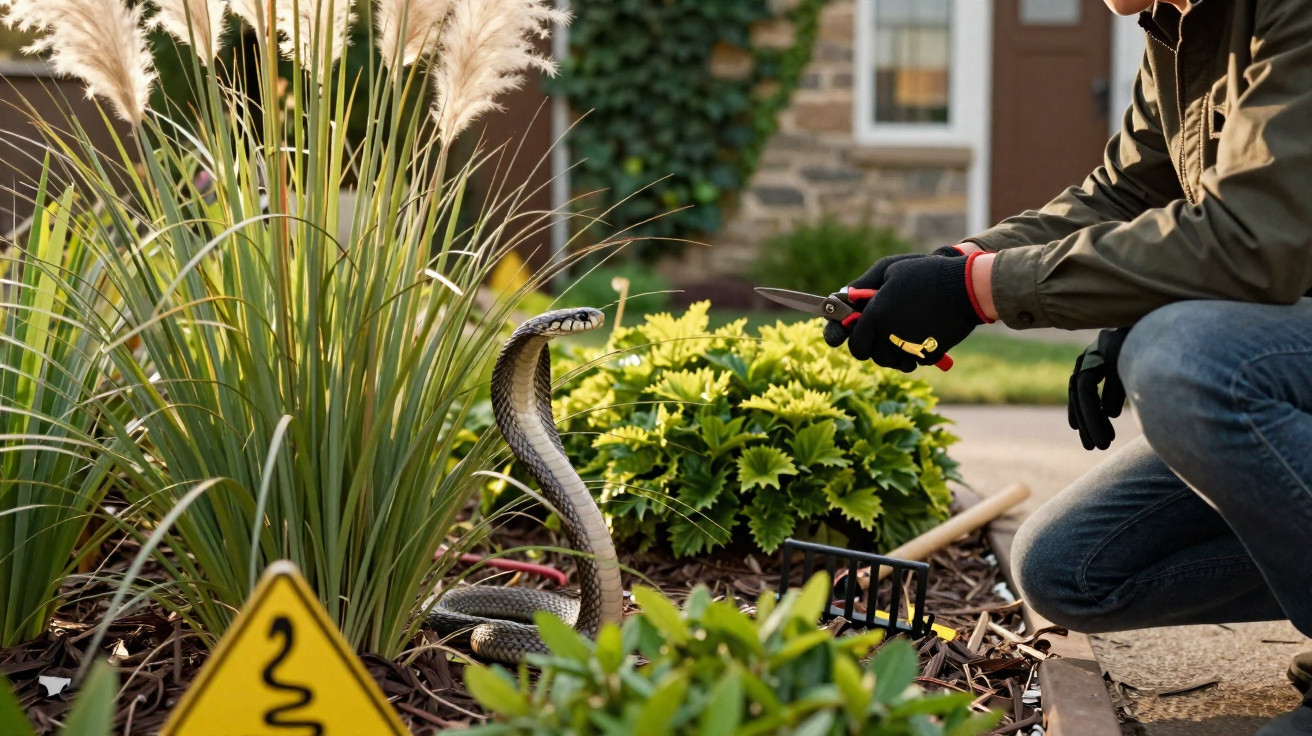
- Always wear thick gloves, long clothing and safety goggles – the leaves cut easily.
- Never dispose of plant material in compost or the garden waste bin.
“Anyone keeping pampas grass in the garden should treat it as a potentially risky plant – under strict control and consistently contained.”
Cut plumes, leaves and root fragments should be placed in securely sealed bags and then taken to a recycling or landfill site. Even small remnants may regrow in home compost, or seeds may spread further if the compost does not become hot enough.
When complete removal of pampas grass makes sense
Experts take a considerably firmer view in ecologically sensitive areas. Those living near dunes, wetlands, riverbanks or protected sites are often given a clear recommendation by conservation organisations: it is better to remove pampas grass completely.
Large, old clumps present a real challenge. Their roots are deep and firmly established, so heavy tools or even a small excavator are often needed. In such cases, professional help from gardening contractors experienced in dealing with problem plants can be worthwhile.
Once it has been removed, amateur gardeners should replant the area quickly so that no bare gaps remain for weeds or newly introduced young plants to colonise. Native grasses, perennials or shrubs stabilise the soil and support local biodiversity.
Alternatives that retain the decorative effect
Anyone who loves the appearance of pampas grass does not have to give up tall, flowing grasses. A number of attractive species are not currently considered invasive and cause far fewer problems. Examples include:
- Mexican feather grass (Stipa tenuissima): Fine, gently moving stems that are ideal at the front of borders.
- Purple moor-grass: Upright stems that glow warm yellow in autumn, well suited to naturalistic planting schemes.
- Blue fescue: Compact clumps with bluish foliage, easy to maintain and suitable for smaller gardens.
- Giant Chinese silver grass: As imposing as pampas grass in appearance, but generally less aggressive and easier to manage.
Many of these species also produce decorative flower heads, combine well with summer flowers and provide habitat for insects. Replanting therefore benefits nature while often improving the garden’s visual appeal too.
What this could mean for Germany
Pampas grass is also appearing increasingly often on roadside verges and vacant sites in Germany. In several federal states, nature conservation authorities are already developing strategies to place tighter limits on invasive ornamental plants. Developments in France indicate the direction in which the rules could move.
Garden owners would be wise to check regional lists of invasive species. Many environmental authorities publish advice on plants that should no longer be planted. Choosing unproblematic species consciously today can prevent difficulties later on – and potentially avoid expensive clearance work.
How to avoid invasive species more generally
Pampas grass is only one example of a wider issue within the ornamental plant trade. Species repeatedly become fashionable before later causing major ecological damage. Japanese knotweed, giant hogweed and cherry laurel demonstrate how costly and difficult containment can become.
- Ask about a plant’s origin and potential to spread when buying plants.
- Choose regional or native species, especially near natural areas.
- Monitor suspicious plant stands early and remove them if concerns arise.
- Never dispose of garden waste in woodland, on embankments or on vacant land.
By planting their plots thoughtfully, people can do much to prevent fashionable plants from becoming small-scale environmental disasters. Pampas grass clearly demonstrates how narrow the line can be between a decorative favourite and an ecological problem.
Comments
No comments yet. Be the first to comment!
Leave a Comment