
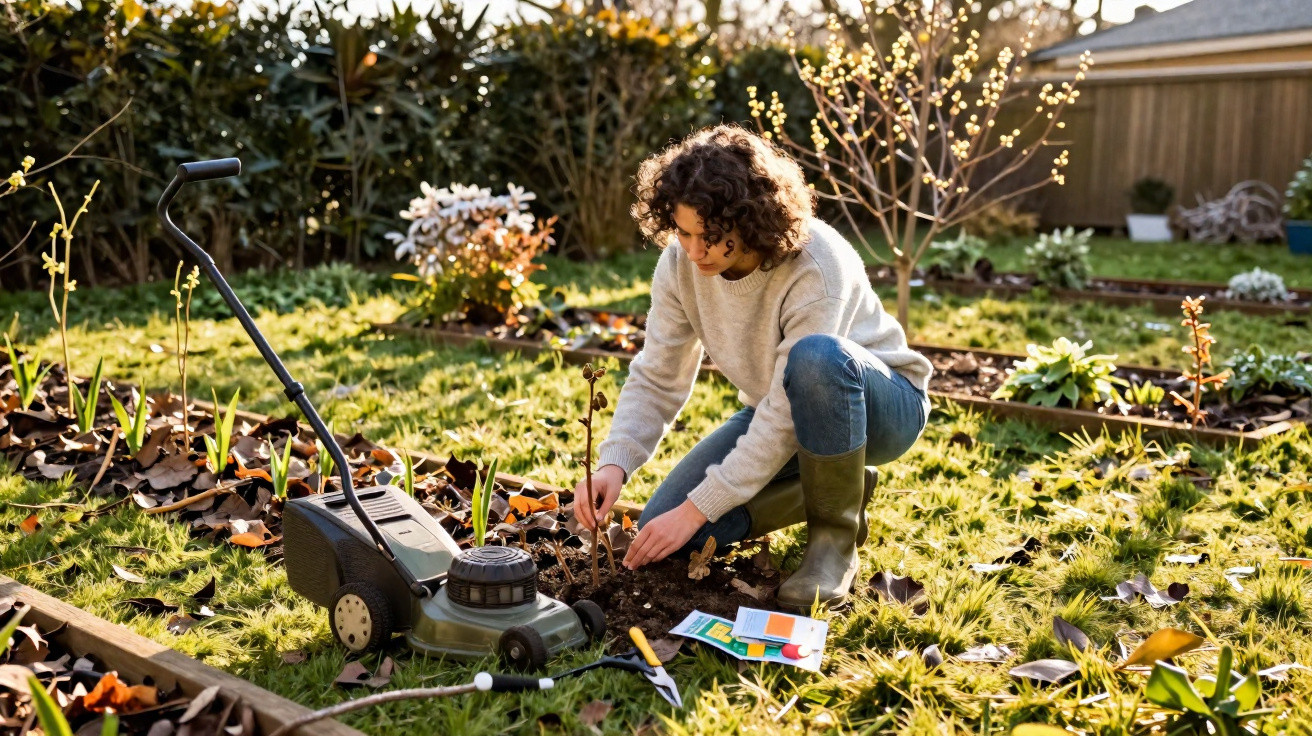
Many keen gardeners enter the new season full of energy in March. The lawn mower, hedge trimmer and spade are at the ready, while the beds seem to be calling. Appearances can be deceptive, though: even when the sun feels stronger, the garden is usually still recovering from winter. Starting certain jobs too soon can put plants and wildlife at risk – and, in extreme cases, may even result in a fine.
Why patience is the best gardening tool in spring
March is a month of transition. It may feel like spring during the day, yet temperatures often drop sharply again overnight. Soil and roots are commonly still cold and damp, animals remain in their winter shelters, and many plants have not yet replenished their reserves.
“Anyone who acts with care in March and deliberately postpones some jobs lays the foundations for a resilient, thriving garden throughout the year.”
It is therefore worth tempering the urge to get on with everything. Typical ‘tidying’ jobs in particular can cause more harm than good at this time. Five areas deserve particular caution.
1. Leave fallen leaves and dead perennial growth in place for now
What may look like a neglected garden to many people is actually a valuable protective cover. Leaves, dead perennial stems and small twigs provide essential winter shelter for countless species, from ladybirds to solitary bees.
- Thick layers of leaves shelter insects, spiders and small animals through winter.
- Dried perennial stems offer both refuge and food.
- Small twigs will soon be used by birds as nesting material.
Clearing everything meticulously in March destroys these habitats at the last moment, just before their occupants become active. A gentle assessment is more sensible: anything that is genuinely mouldy, heavily affected by fungal disease or clearly diseased can be removed. Everything else should remain until around April.
“The more structure and ‘mess’ a garden retains at the end of winter, the greater its biodiversity will be in summer.”
A useful approach for those who prefer a tidy appearance is to rake leaves and plant debris into a pile in one corner of the garden. The garden looks more orderly while wildlife keeps its shelter.
2. Do not mow the lawn too hastily in March
By March, many lawns already look pleasingly green. The grass may appear healthy and the temptation to give it its first cut is strong. However, the roots have often not fully recovered from winter, while the ground remains wet and compacted.
Mowing prematurely damages the lawn in two ways:
- The mower’s weight compresses turf that is still soft and wet.
- Weakened roots regenerate less effectively, increasing the risk of bare patches.
Before starting the mower, it is better to use a few straightforward signs as a guide:
- The blades of grass are roughly five to seven centimetres tall.
- The lawn is properly dry, including the lower layers.
- Daytime temperatures remain consistently at around 7 to 10 degrees, without frequent overnight frosts.
In many areas, the first cut is more appropriate from mid-March to early April. If cold or wet weather continues, simply wait another one or two weeks. The lawn will reward the delay with denser growth and less moss later on.
3. Avoid deeply digging beds and sowing indiscriminately
Fully loosening, or even digging over, beds in March often causes more damage than improvement. The soil may still contain:
- delicate roots from perennials and woody plants;
- numerous beneficial creatures, including earthworms, ground beetles and larvae;
- overwintering insects that will later help protect the garden from pests.
Deep cultivation tears roots and disrupts protected soil layers. Fungi and pathogens can establish themselves more readily in disturbed beds. If you want to do something already, work only near the surface and with great care, for example by using a small hand cultivator between plants.
“For beds in spring, gently loosen rather than deeply dig – soil is a sensitive ecosystem.”
Restraint also pays off when sowing. Many vegetables and flowers cope poorly with late frosts. Cold can harm seedlings and cause seeds to rot in the soil. Early in the year, robust crops such as spinach, lamb’s lettuce or early radishes are more suitable – and even these should only be sown in warm, loose soil or in a raised bed.
4. Fertilising and new planting: do not underestimate the risk of frost
Mild March weather can quickly encourage gardeners to plant new additions and apply plenty of fertiliser. Plants respond by producing fresh growth – but that is precisely what makes them highly vulnerable when the next cold snap arrives.
What happens beneath the ground is often underestimated:
- Fertiliser encourages plants to produce new shoots and leaves.
- These young parts of the plant are soft and have little protection.
- Late frosts, which can continue into April, may severely damage them.
There is another issue: during cool spells, the soil is still slow to respond. Many nutrients in fertiliser cannot be absorbed properly, so they are washed away or lost. This not only puts pressure on groundwater but also wastes money.
Those taking a long-term view should hold off on intensive fertilising and sensitive new planting until the ground is genuinely free of frost. Depending on the area, this may be mid-March, but in colder locations it may not be until late March or even early April.
A practical interim measure is a thin mulch layer, for example using last year’s grass clippings, chipped branches or bark mulch:
- Mulch prevents the soil from drying out.
- It acts as an insulating layer against temperature extremes.
- Over time, slowly decomposing material improves soil structure.
5. Hedges and shrubs: why cutting now can be costly
Something many garden owners barely consider is that heavy hedge cutting has been prohibited by law since 1 March. The Federal Nature Conservation Act bans substantial cutting back of hedges, shrubs and woody plants from the beginning of March until the end of September.
“Radically cutting back a hedge in spring can not only destroy nests but may also lead to a substantial fine.”
The reason is clear: from March onwards, many bird species start looking for nesting sites. Dense hedges, shrubs and bushes make ideal breeding places. Hedgehogs, amphibians and many insects also find shelter there. Anyone carrying out severe pruning at this stage destroys habitats before young animals have even had a chance.
Light maintenance pruning is permitted, but it should be carried out extremely carefully. Before picking up the shears, inspect the branches closely for nests, sleeping hedgehogs or dense insect colonies. If you are unsure, postpone the work until autumn or February of the following year.
How to tell when your garden is ready for more activity
Rather than following the calendar rigidly, look for specific signs in your own garden. Helpful indicators include:
| Sign in the garden | What it means |
|---|---|
| The soil no longer feels frozen in the morning | Roots can start growing again and the first lighter jobs are possible |
| Forsythia is flowering a strong yellow | A classic guide: it is time for the first moderate lawn cut |
| No overnight frost for at least ten days | A good time to begin fertilising and planting hardy new additions |
| Noticeably more insect activity on sunny days | Wildlife has awakened, so leaf and twig piles can gradually be reduced |
Useful gardening jobs to do instead in March
The fact that some jobs should wait does not mean there is nothing to do in March. It is an excellent month for gentle, preparatory tasks:
- Check, clean and sharpen tools, including hedge trimmers, secateurs and spades.
- Draw up planting plans: where will vegetables, perennials or new woody plants go?
- Inspect overwintered container plants and remove dead shoots.
- Clean bird nest boxes before the new breeding season gets fully under way.
- Clear moss from paths and patios without disturbing beds.
Preparing raised beds or chitting potatoes indoors are also well suited to this time of year. If you plan to use young plants, raise sensitive varieties such as tomatoes or peppers indoors or in a heated greenhouse instead of planting them outside already.
Why a gentle start benefits the whole year
Gardens are complex, small ecosystems. Every premature action – whether it is cutting too early, overenthusiastic fertilising or radical tidying – has consequences that often become apparent only months later. Weak lawns, more pests, unhealthy perennials or fewer birds in summer are often linked to decisions made in March.
Consciously holding back brings long-term benefits:
- The garden becomes more resilient to heatwaves and heavy rain.
- Beneficial creatures can establish themselves reliably and keep pests in check.
- Plants need to spend less energy ‘repairing’ themselves and can direct their strength towards growth.
Patience in spring therefore works like insurance for the entire season. A garden that does not look perfectly tidy in March may be healthier, more colourful and more full of life in June for exactly that reason.



Comments
No comments yet. Be the first to comment!
Leave a Comment