
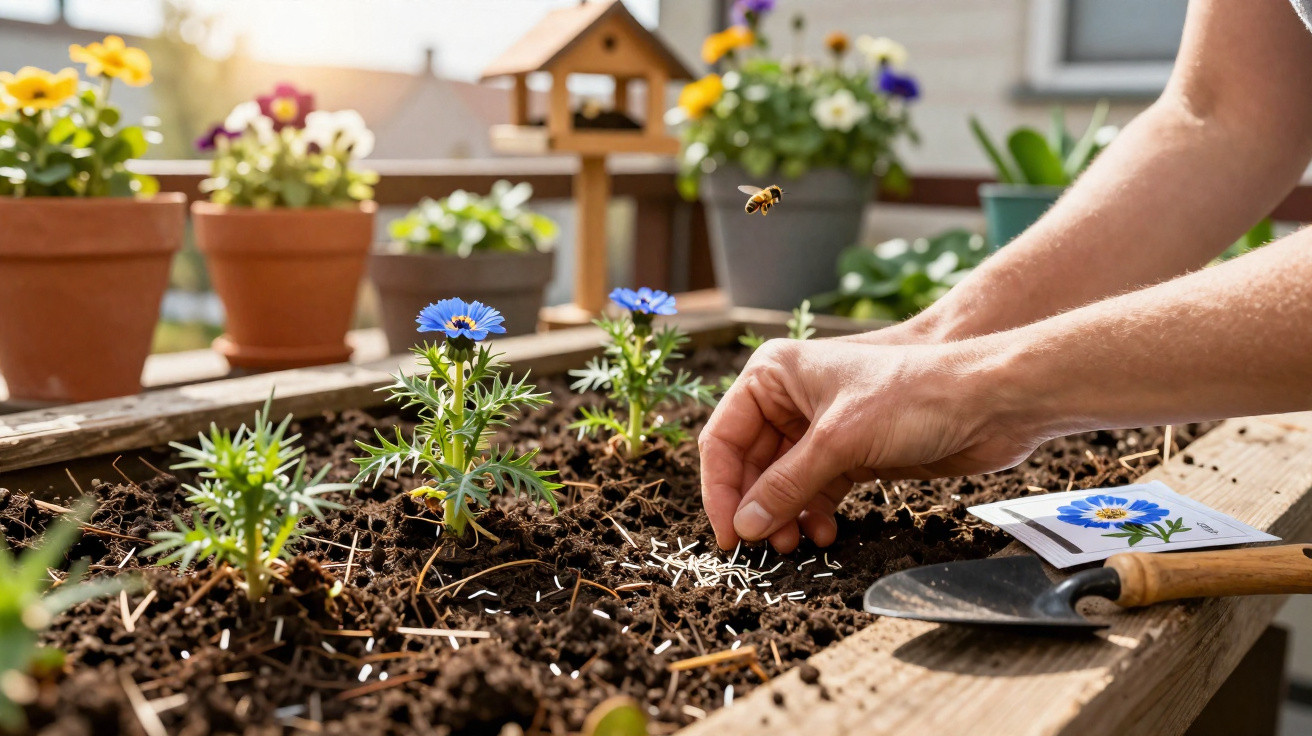
Anyone standing outside in March, looking over beds that are still bare, will often feel both impatient and excited. They want colour, life and buzzing activity – but without endlessly reaching for the watering can or relying on expensive chemicals. This is where a nearly forgotten flower comes in, one that has long been an insider favourite in professional nurseries: Nigella damascena, commonly known in the UK as love-in-a-mist or damask nigella.
The fairy-tale flower that gives every border a softer look
Love-in-a-mist is an annual summer flower that sits somewhere visually between a wildflower and a deliberately designed garden plant. It looks delicate and airy while remaining exceptionally ornamental. Rather than creating rigid border lines, it adds movement to the scene – ideal for anyone wanting a more natural-looking garden.
“With its delicate, almost feather-like foliage, nigella casts a fine veil across the border, making neighbouring plants appear more harmonious.”
Fine foliage resembling green lace
Nigella is recognisable by its finely divided leaves. They bring to mind green lace or very tender fennel shoots. This loose foliage fills spaces in the border without crowding other plants.
Star-shaped flowers emerge amid this “green mist”. Their colours range from sky blue and deeper blue to soft pink and pure white. These pastel shades catch the light especially beautifully in spring – particularly in front gardens, alongside paths and in corners that have previously looked rather bleak.
Early flowers with minimal effort
Starting to sow in March can reward you with abundant flowering from early summer onwards. The plant develops quickly, fills bare patches in the border and gives the garden noticeably more visual structure.
- a colourful sea of flowers without hours of weeding
- ideal among berry bushes or in the kitchen garden
- equally suitable for containers on balconies and patios
- very easy to care for when the site and soil are right
Love-in-a-mist is particularly appealing to people with limited time: sow it once, and it lasts well while often returning of its own accord.
Sowing Nigella damascena in March: sun, free-draining soil and little effort
For nigella to show its full potential, it mainly needs two things: light and soil where water can drain away rather than sit around the roots. It copes with dryness more readily than waterlogging.
The best position
Love-in-a-mist performs best in full sun. It can tolerate partial shade, although flowering is generally less impressive there.
Keep the following in mind:
- Plenty of sun: at least 5–6 hours of direct sunlight daily
- Well-drained soil: it may be lean, but should be loose and crumbly
- No waterlogging: especially after rain, water needs to drain freely
- Companion planting: ideal among roses, perennials and berry bushes, or around the edge of a vegetable bed
“Nigella likes things simple: sunshine, airy soil and little competition – and it rewards you with flowers for months.”
Sow directly instead of potting on – why the root benefits
Love-in-a-mist develops a sensitive taproot, which reacts poorly to being transplanted. Sowing directly outdoors therefore works far better than raising plants in pots.
Proceed as follows in March:
- Loosen the surface of the soil and break up large clods.
- If the ground is very heavy, work in a little sand or fine grit.
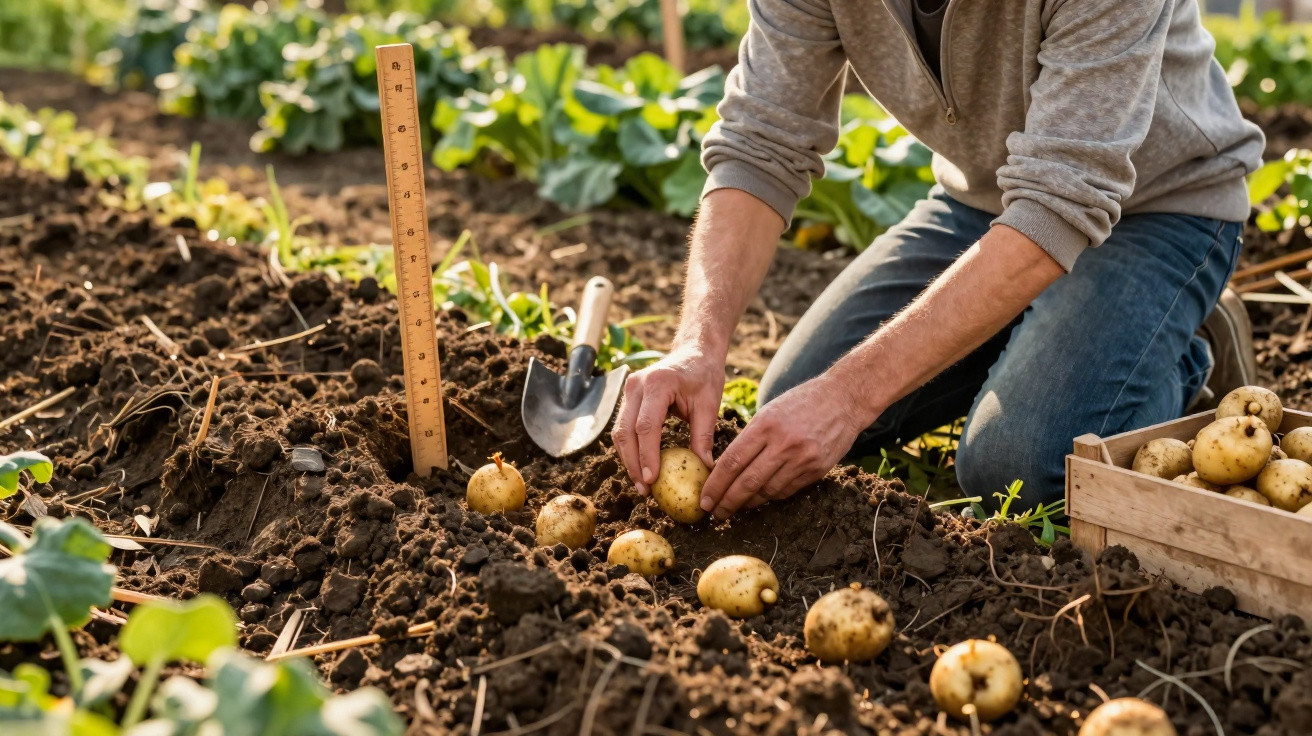
- Scatter the seeds loosely by hand, as if sprinkling them. Precise rows are unnecessary.
- Rake them in lightly or gently firm them with a rake, covering them with only a thin layer of soil.
- Water using a fine rose so that the seeds are not washed away.
Over the following weeks, the soil only needs to remain lightly moist. Once the seedlings are visible, they will cope easily with short dry spells.
Young plants from the nursery: a small head start
Anyone unwilling to wait for germination can buy pre-grown nigella plants from retailers. However, they need to be handled with care.
Important points when planting them out:
- Loosen the root ball carefully only; do not squeeze or tear it.
- Plant at the same depth as the plant sat in its pot.
- Mix some sand into the soil if your garden soil seems too heavy.
- Water well after planting, then continue with moderate watering.
Why bees and birds love this flower
Nigella is not merely attractive; it provides a genuine feast. Across the year, it supports a range of garden visitors, from hungry solitary bees to seed-eating songbirds in winter.
Plenty of nectar for bees, bumblebees and butterflies
The star-shaped flowers are classic insect magnets. They offer nectar and pollen precisely when many solitary bees and honeybees are rebuilding their colonies after winter.
Typical visitors to love-in-a-mist include:
- honeybees from nearby colonies
- various species of solitary bee
- bumblebees, which are already active early in the year
- small day-flying butterflies that need their first nectar sources
“Anyone who sows nigella actively supports pollination in the garden – and, as a welcome side effect, improves yields in the fruit and vegetable garden.”
A free, decorative winter buffet for birds
Once flowering has finished, the plant produces striking seed pods. Resembling small globes or balloons, they dry naturally on the plant. They also look like natural decoration in late summer and autumn.
The pods contain countless black seeds. Leaving them in place instead of cutting them off turns them into a valuable food source for birds. Finches, sparrows and other garden visitors particularly welcome every extra seed during the colder months.
The yearly plan: keeping the garden lively throughout the year
Using love-in-a-mist thoughtfully creates a cycle that largely sustains itself. A little planning in spring can lay the foundations for several years to come.
The key steps at a glance
| Month | Task |
|---|---|
| March–April | Sow directly in sunny spots, loosen the soil and water in |
| May–July | Enjoy the flowers; water only during severe drought |
| August–October | Allow seed pods to ripen and do not cut everything back |
| Winter | Leave some stems standing as food and shelter |
Many plants will self-seed if the pods are not removed. The following spring, fresh young plants will appear in the same places – and often a few metres away as well.
Self-seeding: let the garden do the work
Nigella has a tendency to self-seed generously. Its seeds fall to the ground, sometimes slip into small gaps and are gently washed in by rain. New plants can then establish themselves without any intervention.
Those who prefer a tidy layout can simply pull out surplus young plants or move them elsewhere while they are still very small. This makes it possible to manage their spread without giving up the benefit of self-seeding altogether.
Practical advice: combinations, risks and useful tips
Plants that pair particularly well with love-in-a-mist
Nigella’s airy form makes it an excellent companion for more robustly growing plants. It looks especially attractive alongside:
- roses, as nigella flowers soften harsh transitions in a border
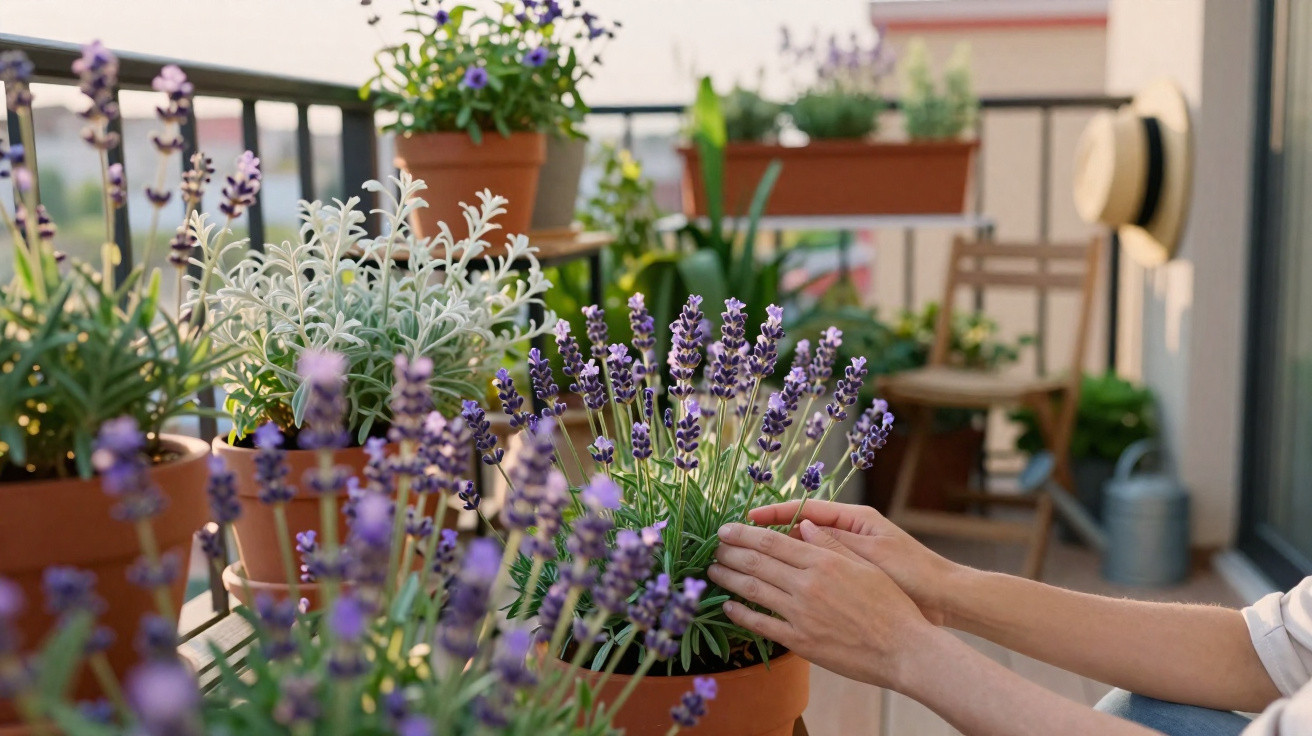
- lavender and sage, for a Mediterranean-style effect
- berry bushes such as blackcurrants or raspberries
- vegetable beds, for example among lettuce, cabbage or onions
The result is a kitchen garden that provides not only a harvest but also a valuable habitat.
What can go wrong – and how to prevent it
The most common issues are caused by:
- Waterlogging: this causes root rot, especially in heavy clay soils
- Sowing too densely: plants compete with one another for light and nutrients
- The wrong site: in permanent shade, flowering remains sparse
Thinning seedlings that are growing too closely together helps prevent many difficulties. In dry summers, occasional deep watering is sufficient instead of daily light sprinkling.
Extra value for children, urban gardens and small balconies
Love-in-a-mist is a particularly engaging plant in towns and cities. Children can easily watch small seeds become delicate leaves, then flowers, later seed pods and finally fresh seed. It makes nature’s cycle easy to understand.
It also grows well in window boxes and pots. The important factor is a drainage layer of expanded clay or gravel at the bottom of the container. Its relatively modest height means it remains stable even on windy balconies.
Adding a packet of nigella seeds to your shopping trolley in March brings more than colour to the border. It also brings a piece of living nature right to your doorstep – complete with buzzing, fluttering and birdsong from spring through to winter.
Comments
No comments yet. Be the first to comment!
Leave a Comment