
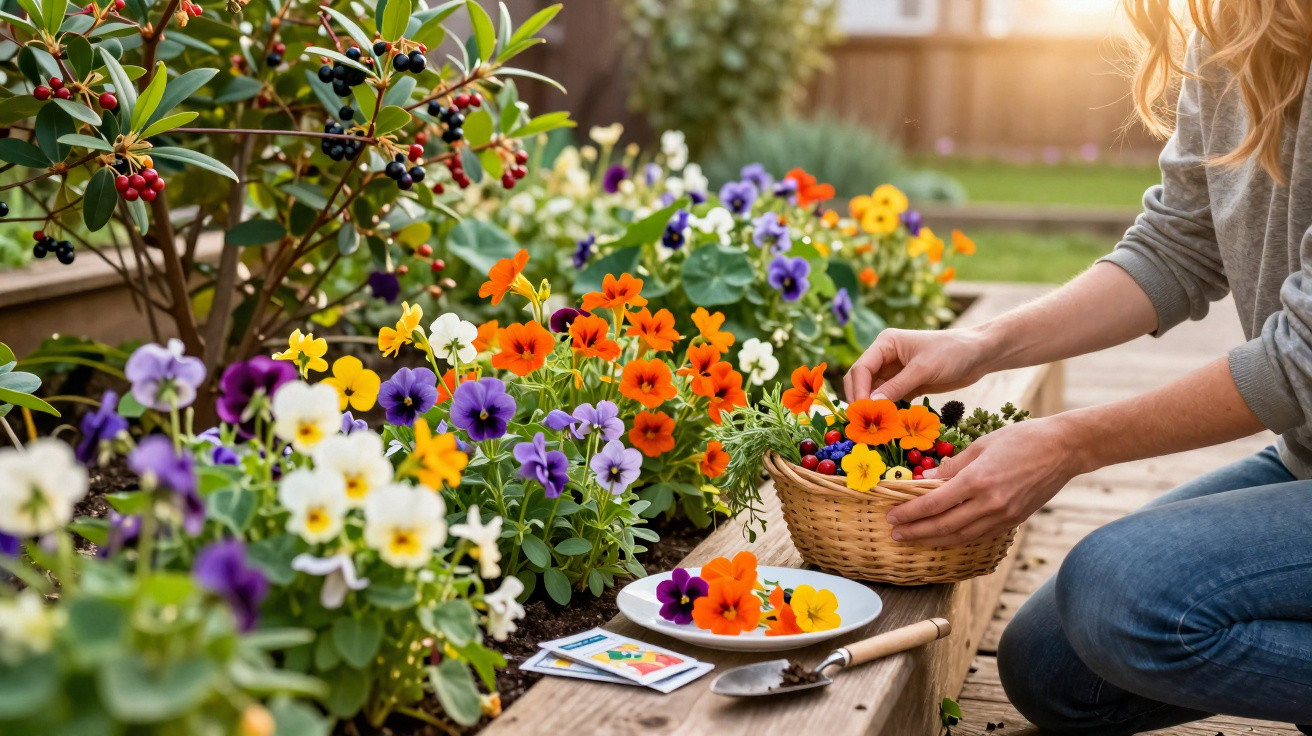
Many amateur gardeners push the lawnmower across the same uninspiring patch of grass year after year in frustration. Ornamental plants here, vegetables there, with plenty of empty space in between – and little life. By breaking down these rigid divisions and combining decorative plants with edible varieties, you can turn your plot into a colourful, productive and surprisingly low-maintenance edible garden.
Why you should start edible beds in late winter
Most people associate gardening with April or May. However, the truly crucial period for a lasting edible flower bed comes much earlier. Towards the end of winter, when sap is just beginning to rise again, perennials and shrubs start establishing the foundations for strong root systems.
Planting now makes use of the soil's natural moisture before the first heatwaves arrive. Young plants do not have to contend with drought stress and can instead develop robust roots at their own pace. This saves water, time and hassle later on.
"Anyone who plants in February and March gives their berry bushes a head start of several weeks – and often harvests in the very first summer."
There is another advantage: garden centres offer many woody plants bare-root during this period. These shrubs are usually less expensive and often establish more successfully than container-grown plants put into already warmed, dry soil in late spring. If you want to create permanently edible structures in a bed, there is no need to wait for the ‘official’ start of the season.
Berry bushes as a framework: an attractive border and a generous harvest
Every bed needs a basic framework. Rather than using box or cherry laurel, which offer little for insects or your plate, berry bushes are an excellent choice. They create structure, add height, provide screening – and produce fruit.
Typical choices for an edible perennial bed include:
- Gooseberry: Dense, slightly defensive branches make it ideal for a living bed boundary. Its fruit can be eaten fresh or used in cakes and compote.
- Blackcurrant: Fragrant foliage releases its aroma even as you walk past. The berries are high in vitamin C and can be made into cordial, jelly or juice.
- Thornless raspberry: Perfect at the back of the bed or trained on supports. You can enjoy a full harvest without scratched arms.
These shrubs generally require only one prune towards the end of winter. This keeps them vigorous, encourages good branching and promotes a plentiful crop. Over the year, they provide an ever-changing display: buds, understated flowers for bees, colourful summer fruit and often attractive autumn foliage.
How to arrange shrubs in the bed
A simple layout helps create a practical, harmonious arrangement:
| Position in the bed | Suitable plants | Benefit |
|---|---|---|
| Back / screening | thornless raspberries, tall currants | Height, structure, plenty of fruit |
| Middle | currants, gooseberries | Colour accents, fruit within easy reach |
| Front / edge | low-growing berries, herbs, edible flowers | Bed edging, snacking area, focal point |
The result is a clearly structured look that avoids appearing like a random jumble, instead resembling a deliberately designed garden feature – with added benefits for the kitchen.
Edible flowers as ground cover: colourful plates, protected soil
Bare, dark soil between shrubs practically invites weeds to appear. Planting these areas with edible ground cover solves several issues at once: the plants shade the ground, guard against erosion, suppress unwanted growth and also provide decoration for salads.
Even in late winter, hardy flowering plants with usable petals are suitable:
- Pansies and horned violets: Cold-resistant, flowering early and for a long period. Their flowers work well on desserts, bowls or colourful salads.
- Chives: The purple flowers have a gentle onion flavour and look wonderful on bread or potatoes.
- Mint, sunk into the ground in a pot: Provides fresh leaves for tea, desserts and drinks while keeping its growth under control.
From late spring onwards, further options can be added:
- Nasturtiums: With a mildly peppery flavour, both leaves and flowers are edible and ideal for filling gaps.
- Borage: Sky-blue star-shaped flowers with a cucumber-like taste – popular in ice cubes, drinks and salads.
- Calendula: Its petals give rice, butter or cream cheese spreads a light yellow colour and the plant is hardy in the garden.
"A densely planted flower bed lets hardly any light reach the soil – making watering cans and hoes needed far less often."
Plant communities rather than solo performers: how the ‘lazier’ garden works
The aim is to cover every open spot in the bed. This creates a small microclimate. A dense layer of foliage stops the soil from drying out so quickly and helps keep temperatures more stable. Gardeners who plant this way often need to water considerably less during high summer than those with a traditional vegetable plot planted in rows.
The mixture brings an additional benefit: pests find it more difficult to locate their favourite plants. Where there are only roses, entire colonies of aphids can quickly appear. In a dense combination of berries, herbs and flowers, scents and plant structures confuse many insects. Calendula and tagetes, for example, are considered natural helpers against certain soil parasites.
Rather than relying on chemical sprays, a living system does the work. Greater plant diversity also brings more beneficial creatures: ladybirds, hoverflies, solitary bees and other garden residents generally regulate imbalances themselves.
Practical tip: combinations that work well together
- Beneath currants: chives, mint in a pot, horned violets
- In front of raspberries: nasturtiums, calendulas and low-growing herbs such as thyme
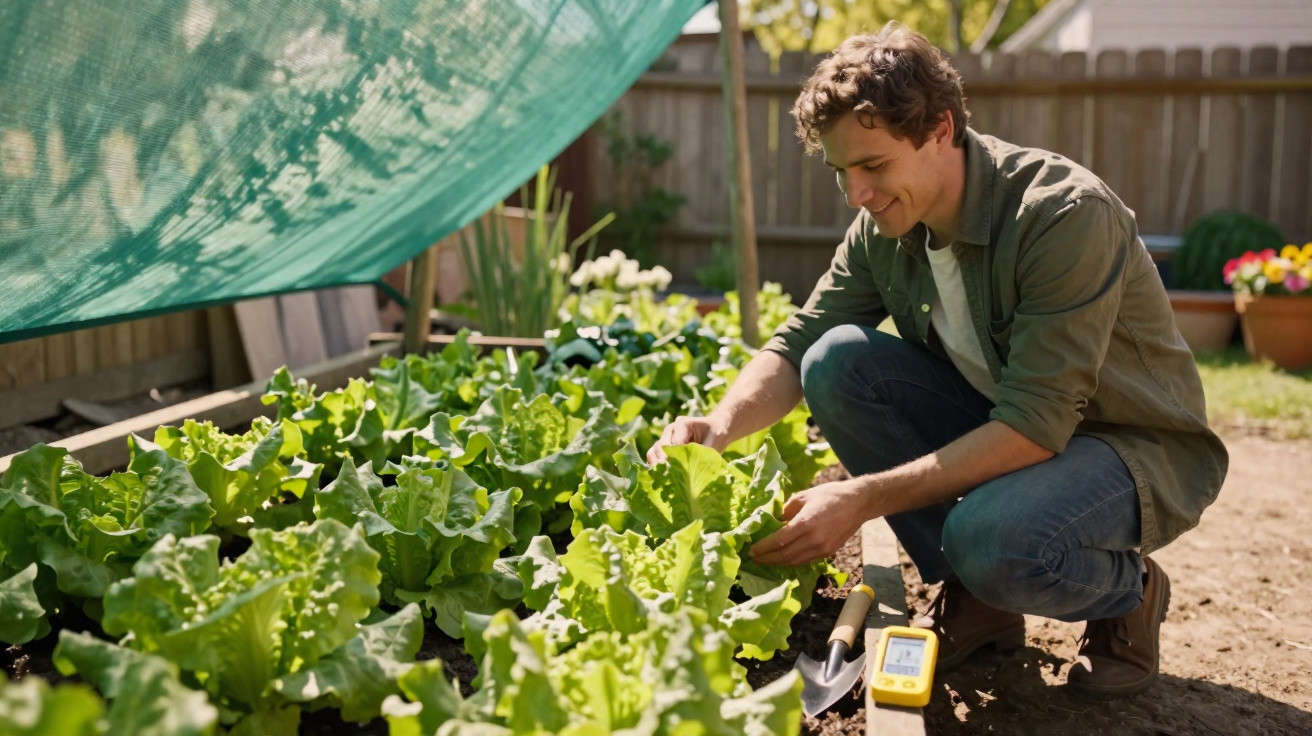
- Between gooseberries: borage, tagetes and a few lettuce plants
These combinations look less like a traditional kitchen garden and more like a romantic cottage garden – but with a much greater snacking factor.
A garden to admire and eat: everyday life with an edible bed
Once the basic framework is in place, much of it takes care of itself. The first flowers open in spring, insects begin to buzz and herbs put on new growth. In summer, berries shine alongside orange nasturtiums and blue borage. On warm evenings, you can quickly pick a handful of raspberries during a walk around the garden or pluck a few petals for supper.
"The garden changes from a decorative object into an extended kitchen – without turning every weekend into a compulsory shift."
Visually, a bed like this often appears more refined than a purely productive garden: shrub shapes organise the area, while the flowers look like deliberately placed splashes of colour. At the same time, every plant serves at least one purpose – as food, soil protection, an insect magnet or screening.
What to consider when using edible flowers
Edible flowers add colour to your plate, but they require a little care:
- Use only varieties that are specifically regarded as edible.
- Never use plants from heavily fertilised or sprayed ornamental-plant sections.
- Use flowers only when fresh, and remove unopened buds or any mushy parts.
- People with pollen allergies should try them cautiously at first.
For children, a garden like this can feel almost like a fairy tale: flowers that can be eaten, bushes covered in berries and something to taste everywhere. At the same time, they naturally learn where their food comes from and what a natural environment looks like when it is more than a sterile lawn.
How to start small
No one needs to transform the entire garden at once. A first step could be converting just one former perennial bed. Place two or three berry bushes at the back, add several clumps of chives in front, then fill the gaps with pansies or horned violets – and your first small edible strip is already taking shape.
If space is limited, you can even recreate the idea in a large container or on a balcony: a columnar fruit tree or berry plant in the middle, surrounded by herbs and edible flowers. Here too, the blend of height, fragrance, colour and flavour creates a small edible garden that brings pleasure from spring into autumn.
Comments
No comments yet. Be the first to comment!
Leave a Comment