
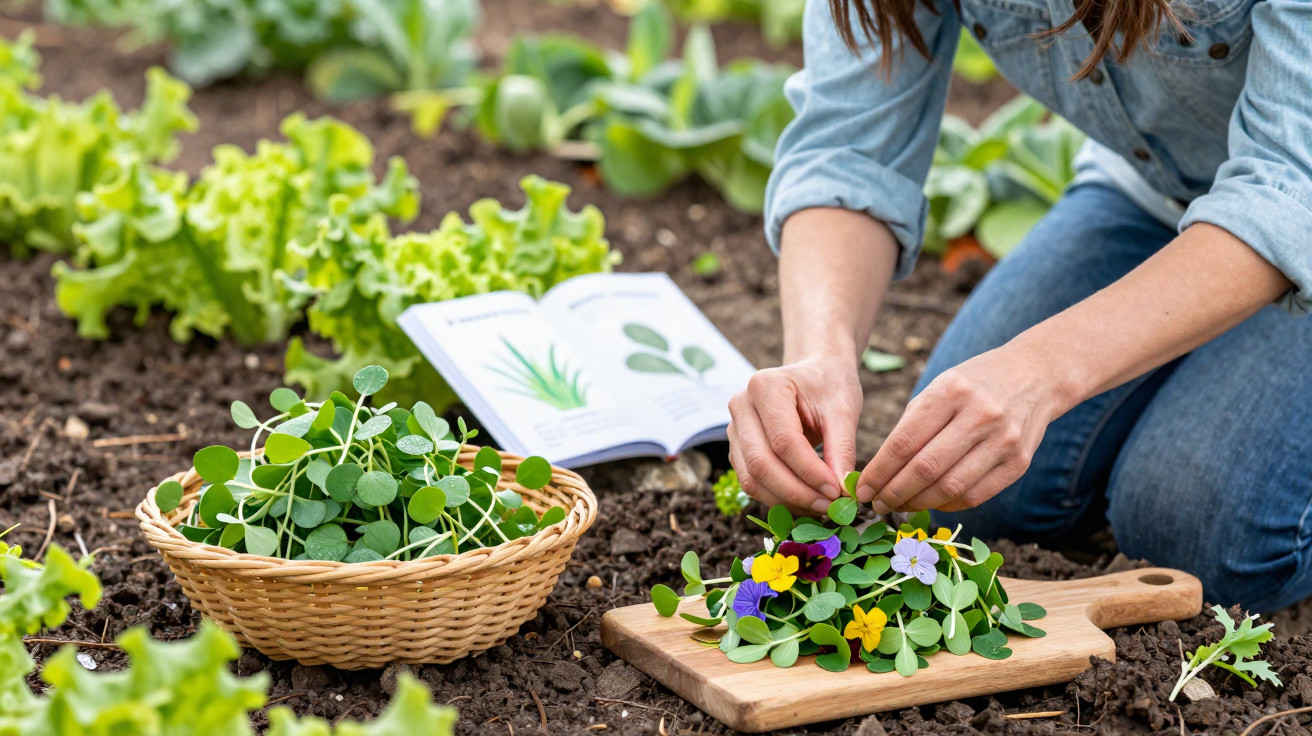
Between bare beds and waterlogged lawns, chickweed is among the first plants to appear each year. Some regard it as a “weed”; others see it as the first fresh vitamin-rich food after winter. Once you know it, you soon realise this wild herb belongs in the kitchen rather than on the compost heap.
What makes chickweed so special
Chickweed (Stellaria media) grows almost everywhere: in gardens, along paths, in cracks and on grassland. It forms dense, low mats of delicate light-green leaves and tiny white flowers. It is especially at its best in March and throughout spring, when it is succulent, tender and packed with nutrients.
In March, chickweed offers more freshness and vitamins than many an expensive salad bag from the supermarket shelf.
While lettuce may have been grown in heated glasshouses or travelled long distances, chickweed grows right outside the door. It makes perfect use of the still-cool, damp weather and keeps producing new growth tirelessly.
Nutrient power in a “weed”
The small leaves may look unremarkable, but they contain plenty. Chickweed provides, among other nutrients:
- Vitamin C – supports the immune system and the body’s natural defences
- Iron – important for blood formation and energy metabolism
- Potassium – helps regulate fluid balance and supports the cardiovascular system
- Calcium – a building block for bones and teeth
- Magnesium – involved in muscle function and metabolism
After winter in particular, the body welcomes fresh nutrients. While many people still rely on stored produce such as cabbage or carrots in March, chickweed already provides fresh greenery that can noticeably brighten up the menu.
Compared with some mild leaf salads, chickweed has a considerably higher nutrient density – without fertiliser, plastic wrapping or a chilled display cabinet.
A traditional medicinal herb
Long before it was seen as an “unwanted companion plant”, people used chickweed in folk medicine. It was used for:
- mild respiratory complaints
- sensitive or itchy skin
- superficial inflammation
- minor injuries and grazes
Fresh herb can be made into compresses or poultices that may soothe cooled skin. Chickweed tea was traditionally taken internally when inflammation was a concern. Modern studies suggest that the plant contains anti-inflammatory compounds and substances with a mild pain-relieving effect.
Of course, a wild herb is no replacement for medical treatment. However, chickweed offers interesting possibilities as an everyday addition and as part of a nature-based home first-aid cupboard.
How to identify chickweed reliably
Anyone gathering wild plants needs to be able to identify them with certainty. Several distinctive features can help with chickweed:
| Feature | How to recognise it |
|---|---|
| Growth habit | Low cushions with creeping or slightly trailing stems |
| Leaves | Small, oval, soft, opposite and rich green |
| Stem | A distinctive single “line of hairs” runs lengthways along one side of the stem |
| Flowers | Tiny white flowers that appear to have ten petals – in fact, they have five that are deeply divided |
| Sap | When snapped, the plant releases clear, watery sap rather than milky sap |
If you are unsure, check again in a reliable guide or ask experienced wild-herb foragers to show you what matters. Confusion with poisonous species must be ruled out.
Chickweed in the kitchen: better than salad
Chickweed’s flavour surprises many people: it is mild, slightly reminiscent of fresh peas and sometimes has a subtle nutty note. There is no bitterness or harshness, making it ideal for anyone new to wild herbs.
Freshly picked, chickweed is a genuine alternative to expensive leaf salad in March – and is often even more aromatic.
Ways to use chickweed
- Raw in a salad: Mix whole shoots or just the leaves with lamb’s lettuce, rocket or radishes.
- As a herb bed: Serve it underneath scrambled eggs, baked potatoes or grilled vegetables.
- In a smoothie: Blend a handful of chickweed with apple, banana and a little water or oat drink.
- In soup: Stir it in finely chopped just before serving potato or vegetable soup.
- As a pesto: Blend it with oil, nuts or seeds, garlic and a little salt for a fresh spread for bread.
One important point is that chickweed contains a great deal of water. It loses flavour and some of its constituents when dried, so it is only of limited use for storing. It is better to harvest it fresh whenever you need it.
Where and how to harvest it safely
Only clean, uncontaminated chickweed should be eaten. In practical terms, this means:
- do not gather it directly beside roads
- avoid places regularly used for dog walking
- do not choose areas with visible fertiliser or pesticide use
- harvest from your own garden only if no chemical fertiliser has been used there
Ideally, cut the tender shoots just above ground level. This allows the plant to regrow, so you can harvest it for longer. If you are using it in salad, you can remove overly tall, flowering or slightly tougher parts.
Animals benefit from this spring plant too
Chickweed is not only of interest to people. Many pets eat it enthusiastically once they know the plant:
- Chickens: readily peck at the fresh shoots, which provide a natural source of vitamins.
- Goats: tolerate chickweed well as part of a varied supply of fresh forage.
- Rabbits: enjoy small amounts of chickweed as an addition to hay.
- Guinea pigs: can benefit from its vitamin C content, provided it is introduced gradually and washed thoroughly.
The same principle applies to all small animals: introduce new foods in small portions and monitor digestion. Do not simply throw large quantities from the lawn straight into the cage; pick it carefully and keep it clean.
Why March is ideal for chickweed
In March, the soil is usually still damp, temperatures are slowly rising and competition from other plants remains limited. These are ideal conditions for chickweed:
- The shoots stay particularly tender.
- The plant puts plenty of energy into leaf growth, rather than only flowers and seeds.
- Harvests are often surprisingly generous.
While many garden plants are still sitting in seed packets, chickweed is already growing. Anyone who can recognise and use it gains weeks of fresh greenery compared with conventional salad grown in a bed.
Risks, limits and sensible use
As with all wild plants, a little caution is worthwhile. Some people experience a sensitive stomach when introducing new plants to their diet. It is therefore best to start with small quantities and increase them gradually. Anyone with a long-term health condition or who takes regular medication should discuss any uncertainties with a healthcare professional.
Chickweed is not suitable as a sole food, for either people or animals. It complements a balanced diet rather than replacing one. Using the plant occasionally during spring is generally the safer approach.
Getting more from the garden by noticing “companion plants”
Chickweed is a good example of how much your view of your own garden can change. What first seems irritating can suddenly turn out to be a healthy ingredient and a free addition to the weekly food shop.
Once you start using wild herbs like these, you look at beds and lawn edges very differently. Between rows of vegetables, there are no longer only nuisances growing, but potential ingredients for the next salad, bread spread or quick herb soup.
Especially in March, when the body craves fresh greens, chickweed can offer a great deal: it brings vitamins, flavour and a little self-sufficiency to the plate with almost no effort. Rather than hoeing it out, it is worth taking a closer look and boldly reaching into the bed.
Comments
No comments yet. Be the first to comment!
Leave a Comment