
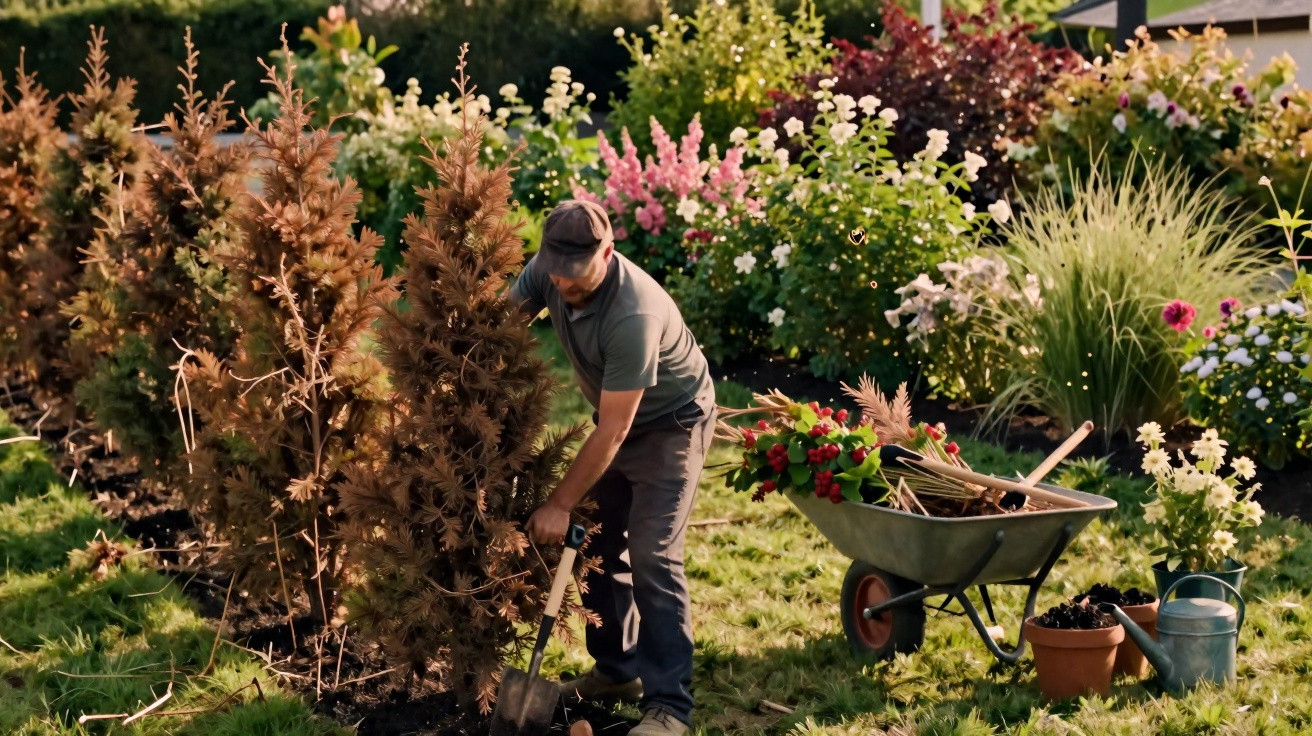
Anyone who has shielded their garden with a dense, evergreen privacy screen is now often looking at brown gaps, dead branches and bare patches. Of all things, the long-celebrated standard solution of the “Thuja hedge” is failing under climate stress, pest pressure and new environmental rules. Specialists now clearly advise in many places against trying to save old stands and recommend replacing them decisively instead.
How the former hedge favourite became a problem
During the 1980s and 1990s, Thuja was regarded as the ideal answer to every problem with neighbours: fast-growing, evergreen, inexpensive and easy to shape. In many residential areas, this created what amounted to a “green concrete wall” around homes.
Hotter, drier summers are now exposing this conifer’s weakness: its root system sits very close to the surface. Once the topsoil dries out, the plant can barely access water reserves in deeper layers.
Measurements from agricultural research show that Thuja hedges can require up to around 60 per cent more water than hedges made up of shrubs suited to the site – thereby worsening water shortages in the garden.
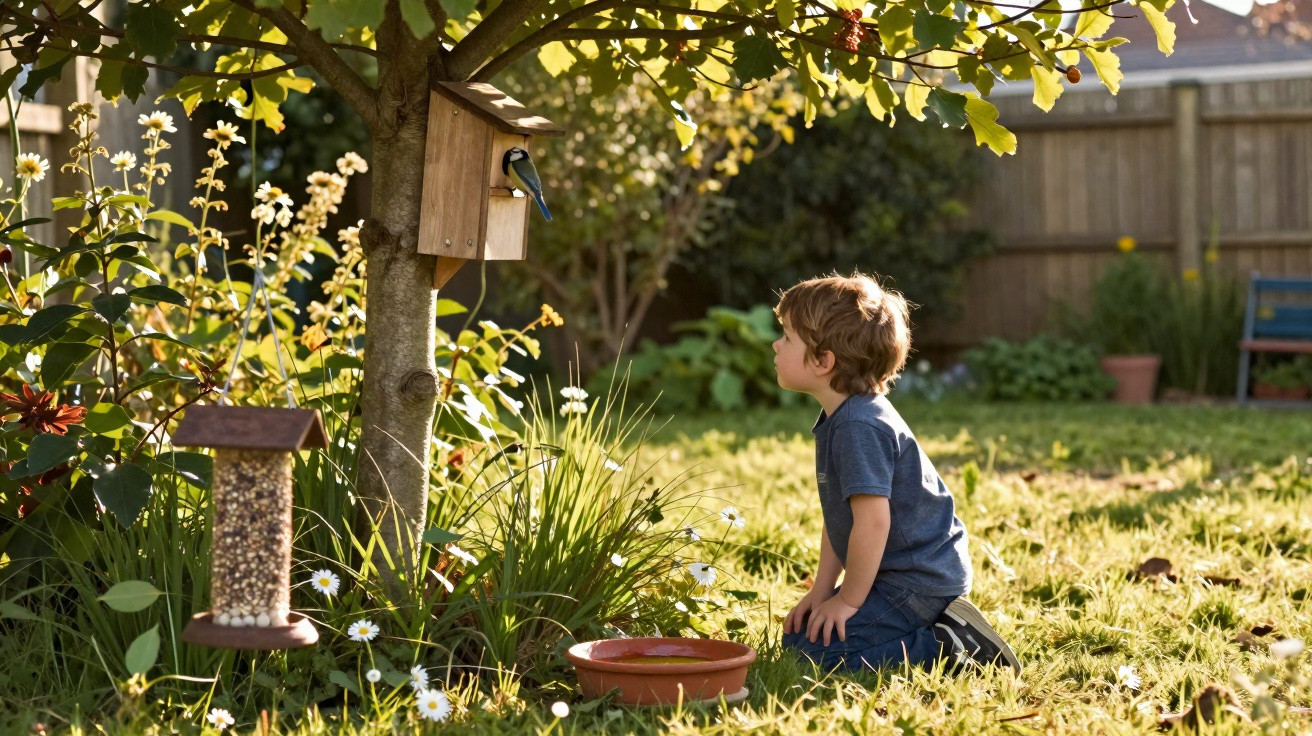
In addition, the dense, somewhat sterile carpet of needles beneath the hedge provides a genuine habitat for very few insects and hardly any birds. From an ecological perspective, long Thuja monocultures perform considerably worse than mixed hedges of native woody plants.
Why many local authorities are now restricting Thuja
At the same time, urban planners and environmental authorities are responding to climate change. In many development or landscape plans, long rows of evergreen conifers are being restricted or are no longer welcome at all. Rather than uniform walls, local authorities favour species-rich hedges that save water and support biodiversity.
In some areas, authorities even provide financial support for complete removal: homeowners receive grants to take out their old conifer hedges and replace them with mixed, wildlife-friendly hedges. The principle is that what grows in private gardens has a marked effect on the urban climate, rainwater infiltration and habitat for birds and insects.
Stress, beetles and total loss: how a Thuja hedge fails
The most visible damage usually starts as isolated brown patches in an otherwise green wall of foliage. They gradually spread, and entire sections of plants dry out despite regular watering.
The trigger is often a combination of drought stress and pest infestation. Short of water, the plant becomes weakened, releases certain scent compounds and thereby attracts a particular pest: a metallic-looking beetle whose larvae hide within the wood.
The larvae bore fine tunnels beneath the bark, severing the channels that carry water and nutrients – the tree dries out from within, even when the soil may still appear damp.
For severely damaged plants, there is currently no practical treatment that works reliably in a private garden. Many specialist bodies therefore realistically classify infested hedges as “beyond saving”. Leaving them in place unknowingly creates a breeding ground for more beetles and risks nearby conifers becoming affected as well.
Warning signs: when you should give up on your Thuja hedge
A few brown tips alone do not mean the hedge is doomed. However, certain patterns indicate a structural problem that can usually no longer be reversed. Typical signs of a “hopeless” hedge include:
- brown, dry areas spreading from the inside outwards
- branches that are completely dried out but remain covered with brown scales
- fine, winding tunnels beneath the bark, visible when a piece of bark is removed
- no fresh shoots on older, woody growth – bare holes remain permanently open
Specialists stress that Thuja does not reliably produce new growth from old wood. Anyone who cuts back a hole-ridden hedge drastically will often later be left looking at a skeleton of bare stems. Where damage is advanced, the sober advice is therefore often this: plan again rather than spend years maintaining a dying hedge.
When is the right time to remove it?
From a gardening perspective, a hedge can be removed almost all year round as long as the ground is frost-free. From a conservation perspective, species protection is particularly important: birds readily nest in dense greenery during the breeding season.
It is recommended that extensive clearance and drastic pruning are avoided from mid-March to the end of July – a period when many bird species are raising their young.
Those wishing to be considerate should therefore schedule removal for late summer, autumn or very early spring. Before putting a spade into the ground, inspect the hedge carefully for nests or resting animals.
How to prepare the soil after pulling it out
Once the hedge has been removed, an exhausted strip usually remains: compacted soil, numerous roots and little soil life. Planting new shrubs straight into the old root area rarely results in strong growth.
Specialists therefore recommend several preparatory steps:
- Remove all root stumps, or at least cut them back heavily.
- Loosen the soil deeply and dig out stones, thick root remnants and old needle material.
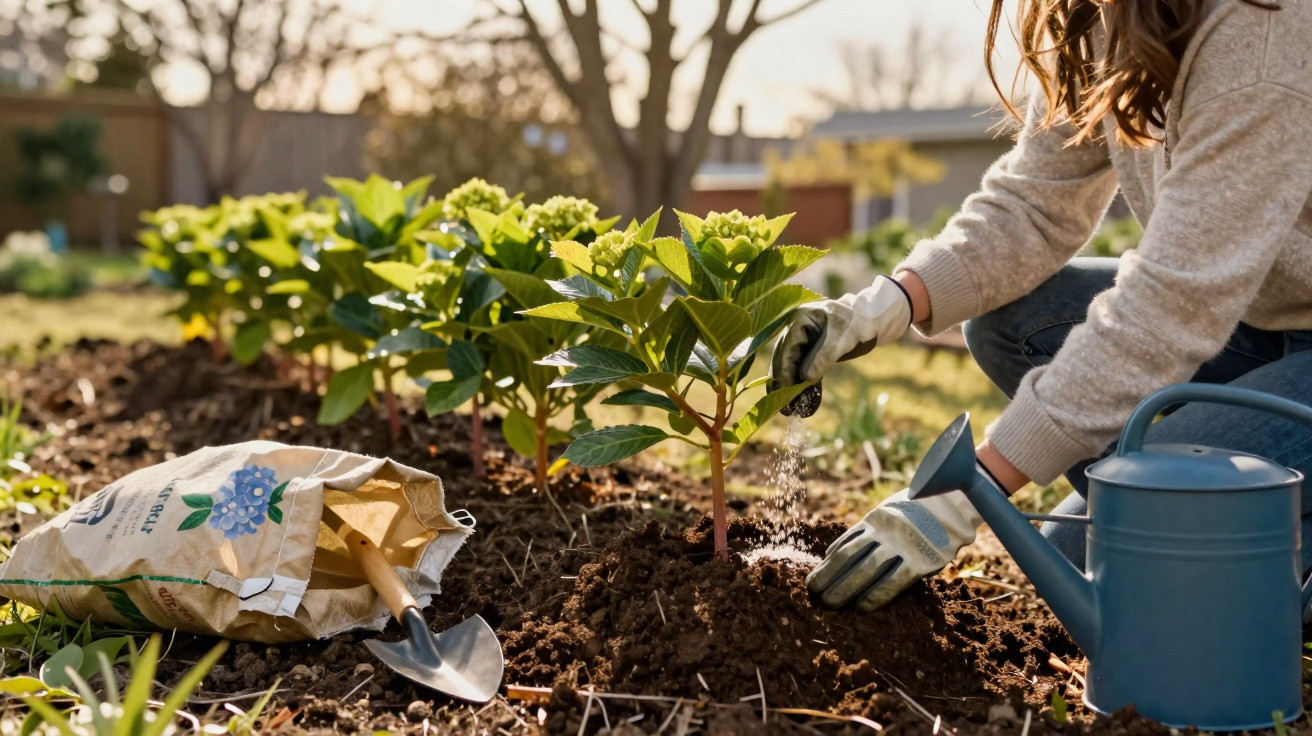
- Work in generous amounts of mature compost or well-rotted farmyard manure to increase nutrient and humus content.
- Leave the soil to rest for a few weeks so that micro-organisms can establish themselves again.
Loose, humus-rich soil enables new woody plants to root more quickly, cope better with dry spells and become more resilient overall.
These alternatives to Thuja work considerably better
Landscape gardeners now mainly rely on mixed hedges. They combine deciduous woody plants, flowering shrubs and, in some cases, grasses. The result is more visually lively, more ecologically valuable and usually more robust in extreme weather.
Popular shrubs for a modern mixed hedge
| Woody plant | Special feature |
|---|---|
| Laurustinus (Viburnum tinus) | evergreen, white flowers, tolerates pruning well |
| Red robin (Photinia) | red young leaves, attractive when combined with green shrubs |
| Privet | highly tolerant of pruning, dense, an important food source for birds |
| Hornbeam | deciduous, but often retains dry leaves as a privacy screen until spring |
| Hazel | fruit for people and animals, early catkins provide forage for bees |
| Dogwood | decorative bark and autumn colour, robust and adaptable |
| Hawthorn | thorny, ideal as a bird-protection hedge, with flowers and fruit for insects and birds |
| Chinese silver grass (Miscanthus) | tall grasses that visually loosen the hedge and create moving structure in the wind |
Such hedges need less watering, shade the soil and create a varied habitat. Studies have shown that mixed hedges can retain considerably more soil moisture than dense conifer walls – a noticeable benefit, especially in hot summers.
How to combine privacy, climate and biodiversity intelligently
Many garden owners worry that privacy will suffer without Thuja. Specialists therefore often use a two-tier approach:
- a dense, easily shaped hedge on the inside for direct privacy screening
- loosely planted flowering shrubs, perennials and grasses in front of or behind it
This preserves privacy, while flowers, fruit and differing growth heights add life and structure. At the same time, such a hedge improves the microclimate: it filters dust, reduces wind, retains moisture and provides food and shelter for countless animal species.
Anyone planting anew can also deliberately choose staggered flowering periods, from early spring through to late autumn. This keeps pollinators in the garden and makes the view from the window much more varied than a single-colour wall of needles.
Practical tips for changing your own garden
Saying goodbye to an old Thuja hedge is often emotionally difficult. Many people associate it with their first home, privacy during family gatherings or childhood memories. A structured plan helps make the change and turn a problem into an opportunity.
It is useful to consider the following questions in advance:
- How much privacy do I really need, and where?
- Should the hedge look formal and clipped, or loose and natural?
- How tall may it become at most, so that it does not again cause disputes with neighbours?
- How much time am I willing to invest in cutting and maintenance over the long term?
Those who plan their hedge consciously will usually end up choosing a mix of robust, native woody plants and a few exotic accents. Water use falls, the garden gains depth and, suddenly, buzzing and birdsong fill the place where there was once a silent wall of needles.
Every replaced row of Thuja creates a piece of resilient green space that copes better with heatwaves and allows more life to thrive. The visible hedge strip along the property boundary thus becomes a quiet building block of a climate-adapted neighbourhood – and that is precisely why so many experts now recommend making a bold break with the past.

Comments
No comments yet. Be the first to comment!
Leave a Comment