
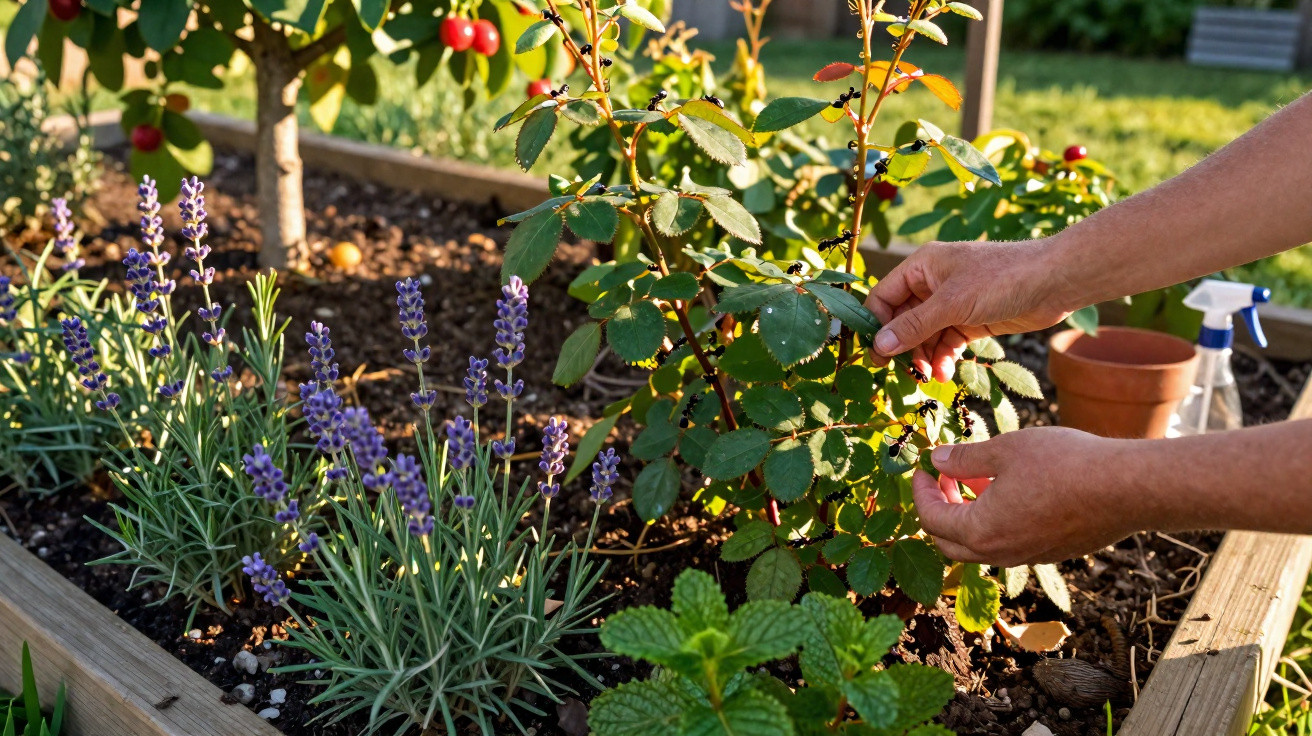
In spring and summer, ants can seem to appear in the garden overnight. They tunnel beneath paths, raise mounds in the lawn and may eventually head towards the patio or kitchen. The reason is often not a lack of bait, but the choice of plants: some plants are a buffet for ants, while others actively deter them.
Why ants are so drawn to your garden
Ants are not “bad” pests. They are highly organised insects with straightforward needs: food, shelter and a suitable nesting site. When an ant finds something appealing – particularly sugary or protein-rich food – it marks the route with scent chemicals. This is how the familiar ant trails develop.
Ants do not arrive by chance – they follow scents, sweet juices and, above all, aphid colonies.
So, if new nests keep appearing in your borders, first consider what food and shelter your garden provides for ants. Also ask which plants may be increasing that appeal.
The real attraction: aphids and their “honeydew farm”
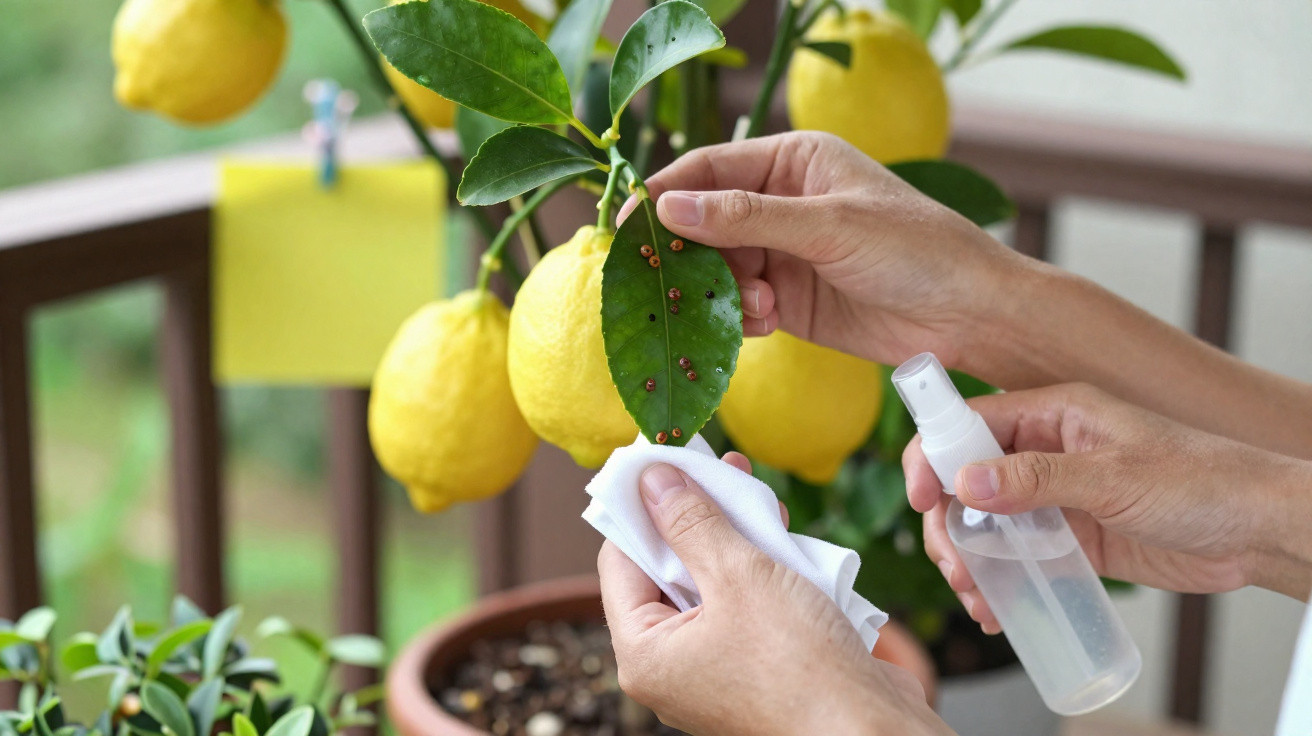
The main trigger for ant invasions is not in the soil but on the plants: aphids. These tiny sap-sucking insects gather on young shoots, buds and leaves, where they feed on plant sap. They excrete surplus sugar as sticky honeydew – and ants are particularly fond of it.
To ants, aphids are rather like “livestock”:
- Aphids produce honeydew, a sugar-rich liquid.
- Ants collect the honeydew to feed the colony.
- In return, ants “protect” the aphids from predators such as ladybirds.
- This is why ants deliberately remain close to infested plants.
Where aphids are abundant, ant trails almost inevitably follow. Some plants are especially appealing to aphids, and that is where the trouble begins.
These plants particularly attract ants in the garden
Roses – attractive to the eye, tempting to ants
Roses are a classic aphid magnet. Their soft young shoots and buds provide perfect conditions for large aphid colonies. When entire shoots become covered in black or green aphids, ants see them as a laid table.
If ant trails are visible all around your roses, the primary issue is actually aphids – which then indirectly increases the number of ants in the garden.
Fruit trees – sweet sap as an attractant
Many fruit trees release sweet sap at certain times, particularly:
- Plum trees
- Apple trees
Damaged fruit, splits in the skin or injured shoots can allow sap to leak out. Its strong scent is noticeable to insects, and its sugar content makes it a clear lure.
Young fruit-tree shoots are also frequently affected by aphid species. The combination of honeydew and tree sap can therefore attract ants on an ongoing basis.
Berry bushes – a food source at ground level
Certain soft-fruit plants can also noticeably increase ant activity. Typical examples include:
- Raspberries
- Redcurrants
Ripe or overripe fruit may drop to the ground, be crushed or simply go unnoticed. These sugary remains do not rot immediately and provide ants with a source of food. Infrequent tidying can therefore unintentionally create a small permanent buffet.
Overripe fruit, fallen berries and honeydew on leaves make gardens especially appealing to ants.
When ants in the garden become a genuine problem
A few ants in a flower border are completely normal and can even be useful, as they clear away dead insects and loosen the soil. They become a concern when:
- Ant nests severely undermine the lawn or lift paving slabs.
- Ants and aphids damage young shoots so badly that plants become stunted.
- Ant trails lead directly into the house, onto the patio or into the kitchen.
In these situations, poking around an ant nest alone is rarely enough. If the plants and external food sources are ignored, you will constantly be dealing with new colonies.
Which plants are more likely to keep ants away
Fortunately, several plants produce scents that confuse ants or may even mask their scent trails. They mainly interfere with the insects’ chemical communication.
Strongly scented herbs as a “scent barrier”
The following plants are considered particularly unfriendly to ants:
- Tansy (wormwood-leaved wormwood / wormwood herb) – a bitter, intense smell
- Thyme – contains essential oils that can irritate ants
- Mint – its penetrating scent masks attractants and scent trails
- Lavender – strongly aromatic flowers that ants generally avoid
These plants release substantial amounts of essential oils. Those oils can mask or disrupt the delicate scent signals ants use to communicate and mark their routes.
Planting mint, lavender or thyme strategically around the patio, house wall or paths creates a natural scent barrier against ants.
How to combine attractant and deterrent plants effectively
A well-planned garden can significantly reduce ant pressure. The aim is not to ban roses or fruit trees, but to surround them intelligently.
| Problem area | Typical attractant plants | Suitable “protective plants” |
|---|---|---|
| Around the patio | Rose beds, containers of berries | Lavender, thyme, mint in border areas |
| Fruit garden | Apple and plum trees, raspberries | Tansy as marginal planting, herb islands |
| Paths and driveways | Flower strips with heavy aphid infestations | Lavender edging, low-growing mint varieties |
Practical tips for ants without relying solely on chemicals
Keeping aphids under control
Reducing aphids removes one of the main reasons for ants to stay in the garden. Helpful measures include:
- Encourage ladybirds, lacewings and parasitic wasps, for example with insect hotels.
- Wash aphids off plants with a firm jet of water.
- For severe infestations, use gentle treatments such as a soft-soap solution.
This will not make every ant disappear, but it does break up the large “honeydew farms” – and with them many ant trails.
Tidiness around fruit and berries
Fallen ripe or rotting fruit attracts not only ants but wasps as well. Simple steps include:
- Collect fallen apples and plums regularly.
- Do not leave overripe berries on the bush unnecessarily.
- Loosen the mulch beneath berry bushes so fruit remains rot more quickly.
By removing sweet food sources, you make the site less attractive to ants.
Where ants are useful – and where they are not
Ants aerate the soil, move seeds and remove dead insects. They can therefore be genuinely helpful in natural corners of the garden or at the edges of hedges. They are more problematic in:
- Garden play areas where children regularly go barefoot.
- Patios, where they undermine slabs.
- Raised beds, if they loosen the soil excessively and expose plant roots.
In these areas, it is worth using scent barriers, herb borders or, in extreme cases, targeted bait – but always with the underlying cause and plant selection in mind.
What the terms mean and how to remember them
The term “honeydew” simply refers to the sugary substance excreted by aphids. For people, it is most noticeable as a sticky coating on leaves. For ants, it is a high-quality food, almost like an energy drink in the plant world.
Essential oils are strongly scented plant compounds that disperse quickly through the air. Mint, lavender and thyme produce particularly large amounts of them. These scents blur the subtle ant trails that ants would normally use for reliable navigation.
Once you understand these links, you view your garden differently: it becomes clear why ant nests keep appearing beneath your favourite rose, and why a simple lavender bed beside the patio may bring more peace than a third packet of ant bait.
Comments
No comments yet. Be the first to comment!
Leave a Comment