
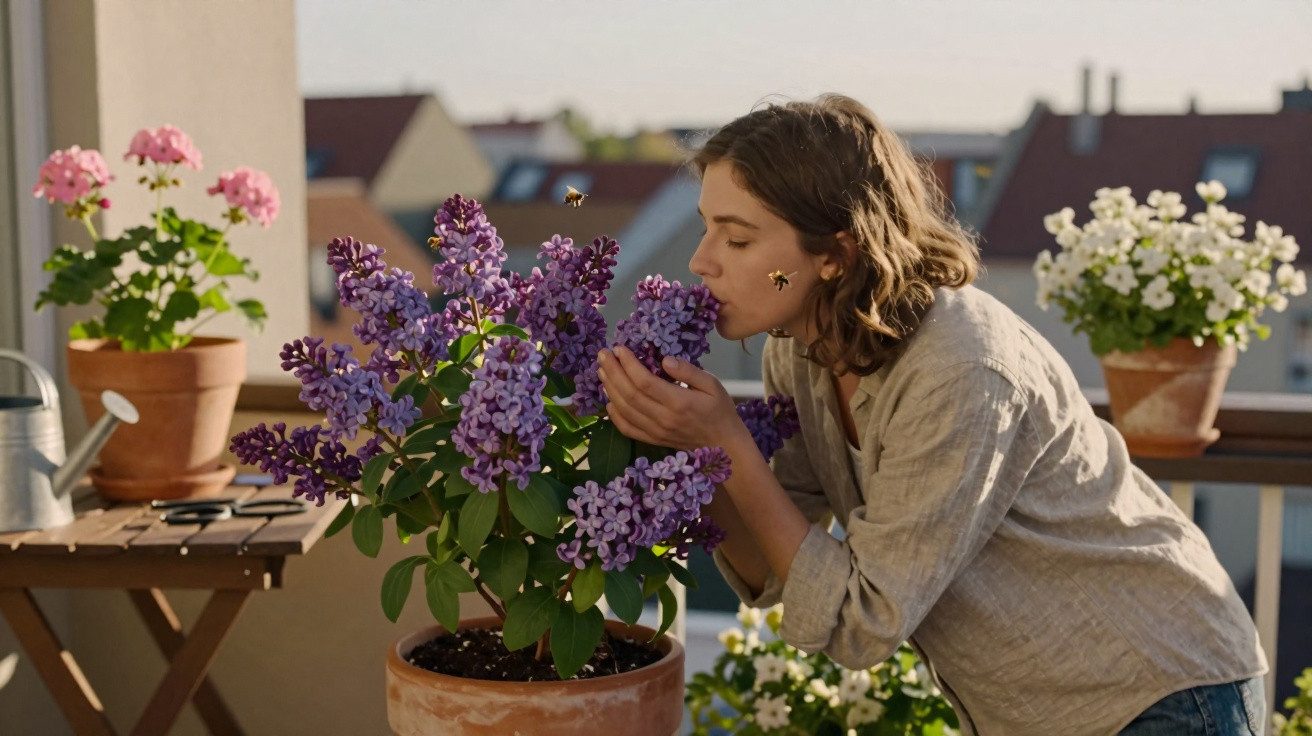
Anyone wandering through garden centres in spring is increasingly likely to come across a plant that stands out visually, yet reveals its real strength only when you lean in for a closer smell. The heliotrope, often called the vanilla flower, is quietly becoming an insider favourite for people who want a garden that is not merely attractive but truly sensory.
Why the vanilla flower is winning everyone over
For many people, spring means a fresh start in the border: cutting back old perennials, trying new ideas and rethinking colour schemes. This year, one plant is attracting particular attention: Heliotropium arborescens. Its name may sound unwieldy, but its effect is unmistakable – once this perennial moves in, it changes the atmosphere of the garden.
“The vanilla fragrance, with subtle hints of almond and tonka bean, makes heliotrope the surprise among the familiar spring-flowering plants.”
The vanilla flower becomes especially fragrant in the afternoon and evening, as temperatures rise. Anyone with a terrace or a small garden seating area will soon notice how much a single scented feature can enhance a sense of wellbeing. Many amateur gardeners say that visitors notice the scent first, then look around in surprise to find where it is coming from.
Violet flower clouds that last for months
Heliotrope offers far more than simply a pleasing splash of colour. It produces dense clusters of flowers, usually in rich violet, though white and soft mauve varieties are also available. Its dark green, gently textured leaves provide an appealing contrast.
Growing to around 30 to 50 centimetres tall, the vanilla flower suits almost any garden setting:
- at the front of a border, placed before taller perennials;
- in a pot or container on the balcony, close to where you sit;
- in a scented border by the entrance to the house;
- as a focal point alongside roses or ornamental grasses.
Another advantage is its extended flowering period, which runs from May well into October. While many traditional spring plants have long finished flowering, heliotrope continues producing fresh clouds of blooms. It keeps the garden colourful and lively without requiring continual replacement purchases.
A magnet for bees and butterflies
The nectar of the vanilla flower draws large numbers of insects. Bees, bumblebees and butterflies reliably visit its flowers, particularly in sunny weather. For anyone hoping to create a lively, natural-looking garden, it makes a clear statement.
Set among lavender, sage or catmint, heliotrope becomes another varied draw for pollinators. These mixed plantings bring more life to the garden and support a stable ecosystem at home, as different flowering periods and food sources come together.
How to care for heliotrope without the stress
Despite its luxurious appearance, heliotrope is not a demanding diva in the border. Follow a few basic rules and you can enjoy it for a long time.
Position, soil and planting time
- Light: Full sun to partial shade. More sunshine will usually mean a stronger fragrance.
- Soil: Nutrient-rich, loose and free-draining. Avoid waterlogging.
- Planting time: After the last frosts in spring, ideally from mid-May onwards.
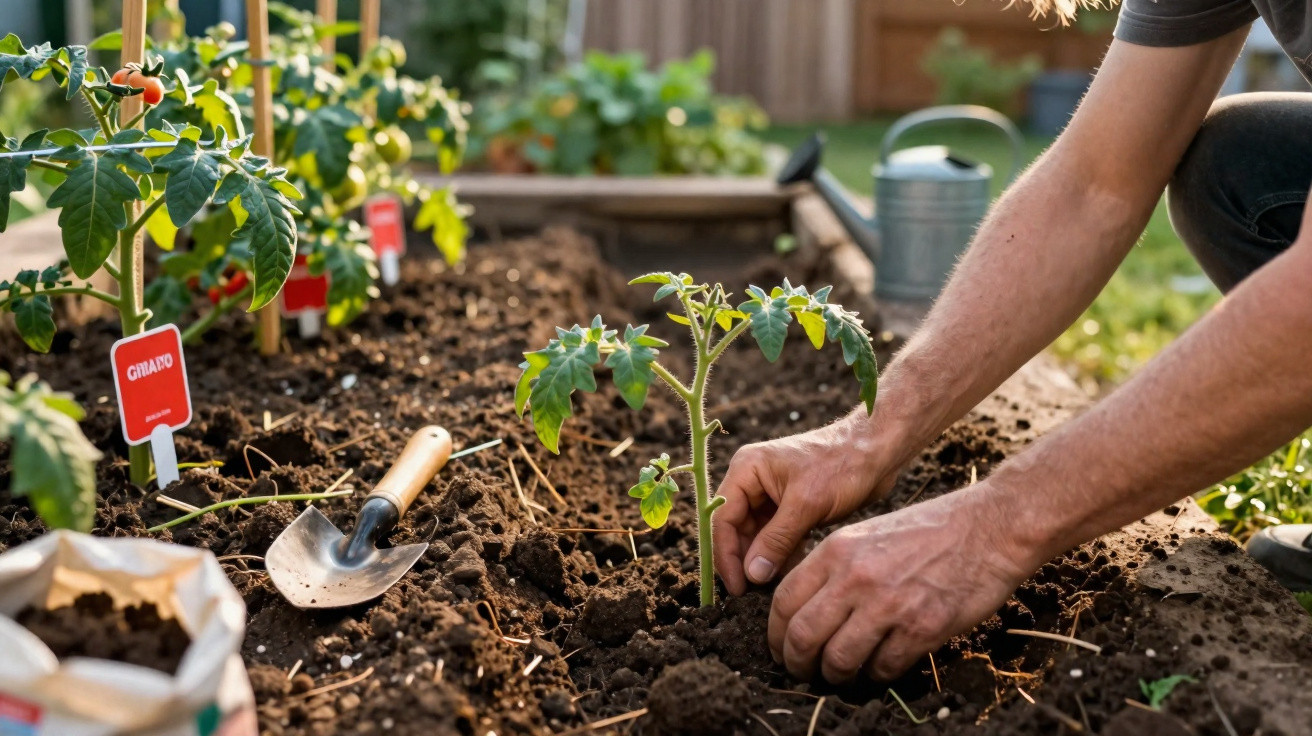
In a border, it is enough to loosen the soil before planting and enrich it with compost. For containers, use a good-quality compost for patio plants, ideally mixed with a little sand or clay pebbles so that water can drain away freely.
Watering, feeding and removing faded blooms
The vanilla flower prefers consistently moist conditions but reacts badly to sitting in water. Its root ball must never dry out completely, but it should not remain waterlogged either.
A realistic care routine looks like this:
- Check the compost regularly with a finger – water when the surface feels dry.
- Remove surplus water from saucers beneath pots.
- Feed with a liquid flower fertiliser every two weeks from May to August.
- Pinch or snip off faded flower clusters by hand or with scissors.
The final step is particularly worthwhile: removing spent flowers encourages the plant to form fresh buds. This keeps the display attractive for months without lengthy breaks in flowering.
Winter and frost: what amateur gardeners need to know
Heliotrope originally comes from South America and is not fully frost-hardy. It may survive in a border with some protection in mild areas, but growing it in a pot is the safer option.
Anyone wanting to play it safe can plan for the vanilla flower as follows:
- Only expect it to remain outdoors permanently in very mild areas.
- Keep it in a container so it can be moved to a bright, cool place in autumn.
- Water sparingly during winter to prevent the roots from rotting.
- From March onwards, gradually provide more light and water, after which it will produce new growth.
Many amateur gardeners initially treat heliotrope as an annual summer flower, then are pleasantly surprised when it overwinters successfully and takes off again the following year. If space is limited, cuttings can also be taken to raise younger plants.
How to combine the vanilla flower effectively
To make the scent and colour truly stand out, it is worth considering suitable partners for borders and containers. Pale flowers make the violet tones of the vanilla flower glow, while silvery-grey foliage adds an elegant touch.
Reliable planting partners include:
- white or pale pink petunias in a window box;
- dusty miller or curry plant for contrasting foliage;
- low-growing roses with a similar flowering season;
- ornamental grasses that add movement.
For a scented border, the vanilla flower is often paired with lavender, scented geraniums or lemon balm. This creates garden spaces where people naturally linger longer, because the atmosphere feels richer and more sensory.
What beginners often ask – and what really matters
Many newcomers wonder whether such a striking plant must be difficult to grow. In practice, the vanilla flower is forgiving, provided it does not sit in water and receives enough light. A sheltered position will also stop its flower clusters from breaking in the wind.
Anyone with children or pets should be aware that heliotrope belongs to a group of plants regarded as mildly poisonous. This chiefly concerns the internal parts of the plant. In ordinary gardens, where there is some distance and nobody attempts to eat it, the issue is usually theoretical, though sensible care remains advisable.
Its effect on how you experience a space is particularly interesting: once you have seen how strongly one scented feature can transform the mood around a terrace or balcony, future planting schemes are often planned more deliberately. Heliotrope represents a wider trend in gardening: moving away from purely visual displays and towards spaces enjoyed with every sense.
Even on a narrow city balcony, a larger container planted with one vanilla flower, a few companion plants and a chair can create a place to unwind after work. Between the violet flower clouds and warm vanilla fragrance, everyday life seems automatically a little further away – and that is exactly what many people are looking for right now.


Comments
No comments yet. Be the first to comment!
Leave a Comment