
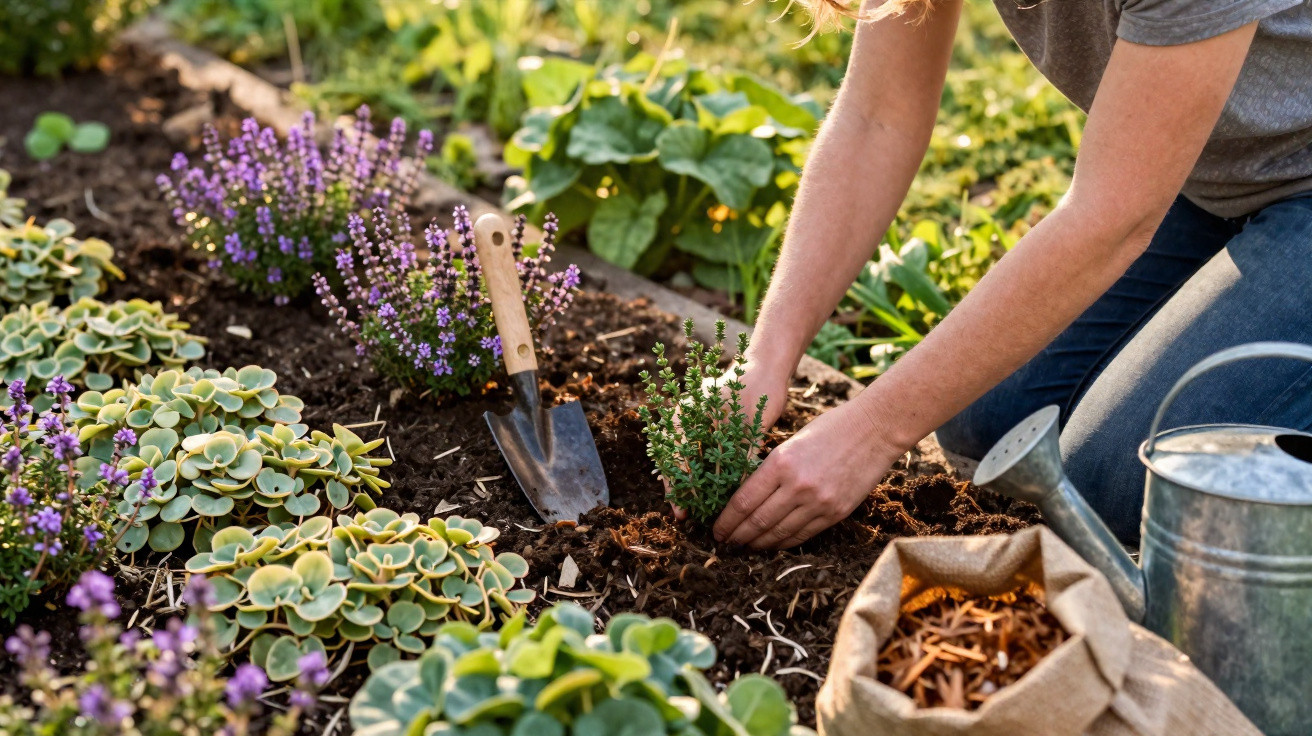
With the right ground-cover plants, the soil stays densely covered and green – and the hoe can remain in the shed.
Anyone looking out into the garden in spring will often see the same scene: delicate buds, the first flowers – and weeds appearing everywhere between them. Along paths, in beds and even beneath shrubs, unwanted wild plants push their way upwards. Yet rather than spending hours pulling them out, there is a far easier approach: create a living carpet of plants that seals the soil so completely that weeds have virtually no opportunity to establish themselves.
How ground-cover plants naturally suppress weeds
Why bare soil invites weeds
Although uncovered soil may look tidy, it provides ideal conditions for weeds. There is light, space and water in abundance. Seeds carried in by the wind can germinate almost immediately. To prevent this, one thing is essential: the soil must no longer be left exposed.
“A dense carpet of ground-cover plants deprives weeds of light – and therefore of the basis they need to grow.”
This is precisely where ground-cover plants come in. Rather than growing upwards, they spread sideways. Their stems form a net across the ground, while the foliage overlaps closely. As a result, sunlight can no longer reach emerging seedlings, and most weed seeds fail in the darkness.
An environmentally friendly alternative to chemicals and digging
Constant digging and hoeing disrupt the delicate structure of the soil. Earthworms, microorganisms and fungi need undisturbed conditions in order to work effectively. Chemical weedkillers can also damage soil life, pets and insects.
Ground-cover plants take a different approach. They hold the soil together, stop it from drying out, provide food and shelter for insects, and greatly reduce manual work. The result is a garden that appears well maintained without needing to bring out the hoe every Saturday.
The powerful trio: three ground-cover plants for almost every part of the garden
A single ground-cover plant will rarely suit every condition in a garden. Sun, shade, dry spots and heavy soil all place different demands on plants. A smart solution is therefore to combine three hardy species that complement one another perfectly.
Thyme carpet: a fragrant choice for sunny, dry areas
For dry sites in full sun, creeping thyme is particularly suitable. It thrives in poor, free-draining soil, copes well with heat and needs very little water. Its tiny evergreen leaves form an aromatic carpet which releases a Mediterranean scent whenever it is stepped on.
- ideal between paving slabs, in a herb spiral or beside dry-stone walls
- highly tolerant of drought
- strongly attracts bees and other pollinators
- tolerates light foot traffic
Anyone with a sunny front garden, or wishing to green areas of gravel and stone, will make an excellent choice with thyme.
Bugle: a colourful shield for semi-shaded and shaded spots
In places that receive little sun, such as beneath trees or on the north side of the house, thyme does not perform well. This is where creeping bugle shows its strengths. Its low-growing stems quickly create a dense cover, and, depending on the variety, its foliage may be green, bronze or deep purple.
It also offers a particularly useful extra feature: in spring, the plant sends up numerous flower spikes in vivid shades of blue to violet. The effect is almost like a miniature flowering woodland – leaving hardly any room for weeds in between.
Sedum mats: survivors for challenging locations
Then there is the problem area found in many gardens: extremely dry, poor or stony ground where almost nothing else will grow. Here, creeping sedum is a strong performer. Its fleshy leaves store water, while its trailing stems root naturally wherever they touch the soil.
Over time, every small gap closes almost by itself. Even in narrow cracks, on gently sloping banks or in gravelled areas, this plant can survive over the long term – gradually displacing unwanted wild plants as it spreads.
How to plant your living ground-cover carpet correctly
The right planting density: be generous, not sparing
For ground-cover plants to take over an area quickly, one plant per square metre is not enough. Planting too sparsely simply gives weeds another invitation. Professional gardeners follow a clear rule of thumb:
“Between 8 and 10 plants per square metre create a fast, closed cover.”
At this density, the plants will touch one another after only a few months. Gaps disappear and weeds find very few places in which to take hold.
| Area | Recommended number of plants |
|---|---|
| 1 m² | 8–10 plants |
| 5 m² | 40–50 plants |
| 10 m² | 80–100 plants |
Preparing the soil: little effort, a big effect
Before putting the plants into the bed, a brief and focused preparation is all that is needed:
- loosen the upper layer of soil and remove thick roots and stones
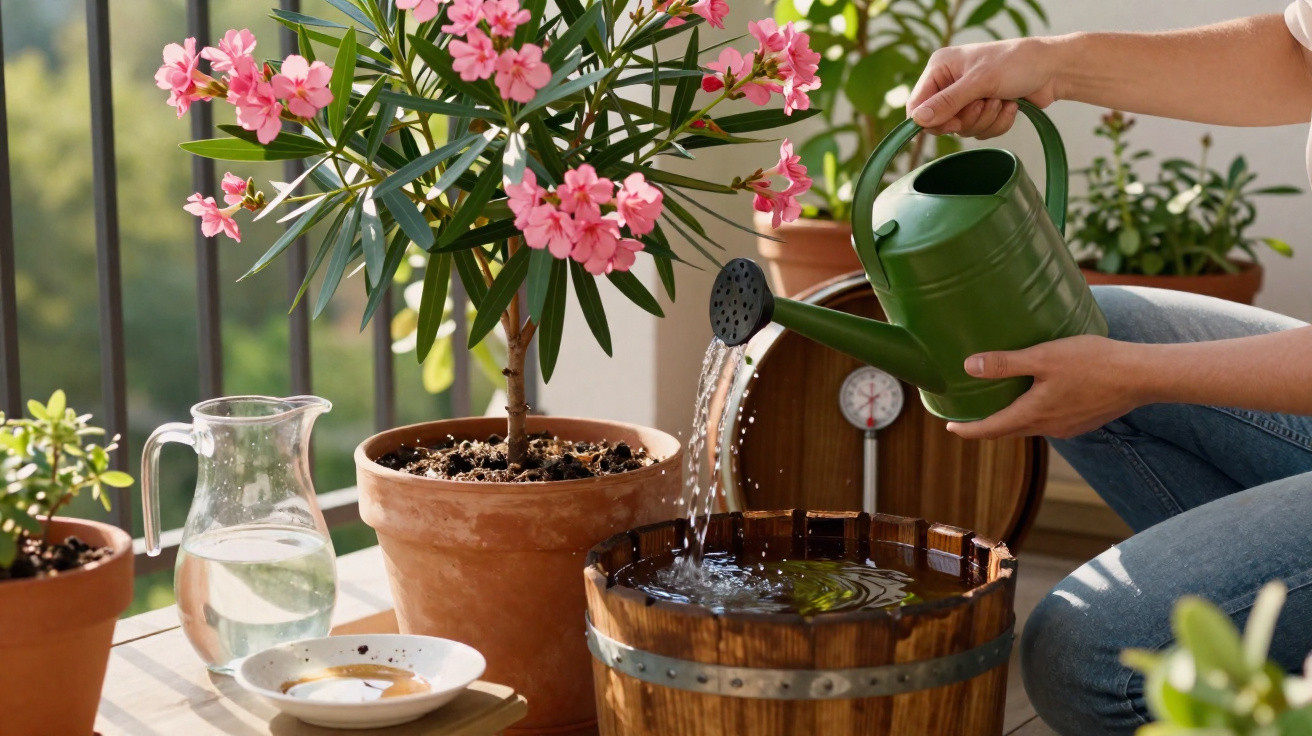
- immerse the plant pots in water until no more bubbles rise to the surface
- dig planting holes deep enough for the root ball to sit just level with the soil surface
- gently firm the soil around each plant so that no air pockets remain
This gives the roots immediate contact with the surrounding soil and allows the plants to establish themselves quickly.
Mulch: the second protective layer against weeds
Why five centimetres of mulch makes the difference
Immediately after planting, the ground will still be fairly open. During this period, weed seeds can settle and establish themselves again. A uniform layer of mulch placed between the young plants helps to prevent this.
“A layer of around five centimetres of mulch blocks out light, keeps the soil cool and retains moisture.”
Suitable materials include fine woodchip, bark mulch, straw or leaf compost. The key is that the soil should no longer be visible, while the ground-cover plants must still receive sufficient light and not be completely buried.
Water and nutrients: the starting signal for rapid growth
After mulching, water the area thoroughly. The water draws the mulch down onto the soil, closes hollow spaces and helps the soil, roots and mulch layer form a firm unit. Scattering a thin layer of mature compost beneath the mulch during planting will provide the plants with nutrients over the longer term.
The effect is clear: stems spread sideways more quickly, the area closes sooner and weeds are noticeably reduced in the very first year.
A self-sustaining garden: once the system is established
Less work, more life in the garden
After one or two growing seasons, the full potential of this method becomes visible. Thyme, bugle and sedum will have taken over their respective areas, gaps will have closed, and some of the mulch will have decomposed into the soil. You will only need to replant occasionally where individual patches become bare, and water a little during prolonged dry spells.
Meanwhile, solitary bees, bumblebees and butterflies will buzz above the flowers, spiders and beetles will find shelter within the plant carpet, and birds will search for food in the loose mulch. The area does not look sterile; it feels alive while still appearing well cared for.
Where ground-cover plants are especially worthwhile
This method is not limited to traditional flower beds. Suitable locations include, for example:
- beneath hedges, where grass grows poorly
- on slopes that are difficult to mow
- between paving slabs or stepping stones
- in the front garden instead of a lawn requiring intensive maintenance
- on grave plots that cannot be tended regularly
This planting concept is particularly beneficial for people with limited time, physical restrictions or a large garden. Instead of battling weeds every weekend, a quick visual check is enough – while the plants do the rest in the background.
Useful practical information
What “ground-cover plants” actually means
Ground-cover plants are not simply particular species; the term describes a growth habit. They are plants that remain low, spread sideways and fill gaps. This group includes many perennials, some herbs and even certain shrubs in miniature form. What matters is their ability to remain competitive over the long term rather than being overrun by weeds in their second year.
Combinations and potential risks
Those who enjoy experimenting can add other species to the trio, such as cushion bellflowers, low-growing forms of catmint or evergreen carpeting plants. One important point is that not every species is permitted everywhere. Some vigorous spreaders may be considered invasive in certain regions. A quick check of recommendations issued by local authorities or gardening associations can prevent problems.
Water is another consideration. Even though many ground-cover plants are hardy, they need regular moisture during their first year in order to establish themselves at all. Failing to water during extended hot periods risks leaving gaps – and therefore creating bare ground for weeds once more.
Keeping these points in mind makes it possible to turn bare, weed-plagued areas into a dense and lively carpet with just a few hours of work. The garden will look freshly maintained without causing your back to complain every time – because the plants permanently take over the task once performed by the hoe.
Comments
No comments yet. Be the first to comment!
Leave a Comment