
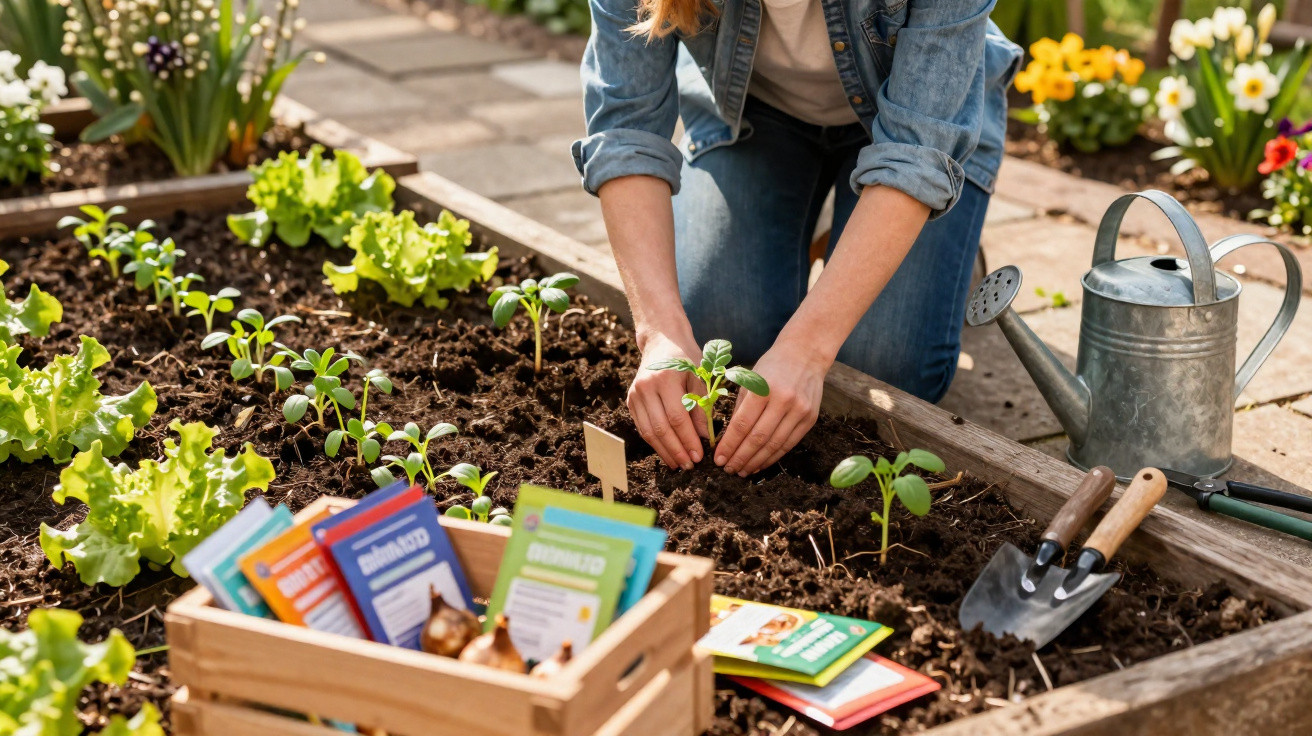
If you plant and sow wisely in March, you can look forward to colourful flowers, crisp vegetables and fresh salads all summer long. In the garden, this month acts rather like a reset button: soils begin to warm up, daylight hours increase and the risk of frost declines. Many plants now establish the basis for a productive season – provided they are put in the right place at the right time.
Why March is a key month in the garden
During March, the garden quite literally starts to stir. The first weeds emerge, the sun already has some strength and the soil has often dried enough for beds to be prepared. Getting started now gives plants a clear head start in growth.
March is ideal for hardy perennials, early outdoor vegetable sowings and raising many summer flowers from seed.
The condition of the soil is crucial. It should no longer be frozen or completely waterlogged. If it crumbles finely when rubbed between your fingers, the time is right for sowing and planting. Carefully remove large stones, roots and remnants from the previous year so that roots can develop without obstruction.
Flowers for March: colour for spring and summer
Annual cut flowers for beds and vases
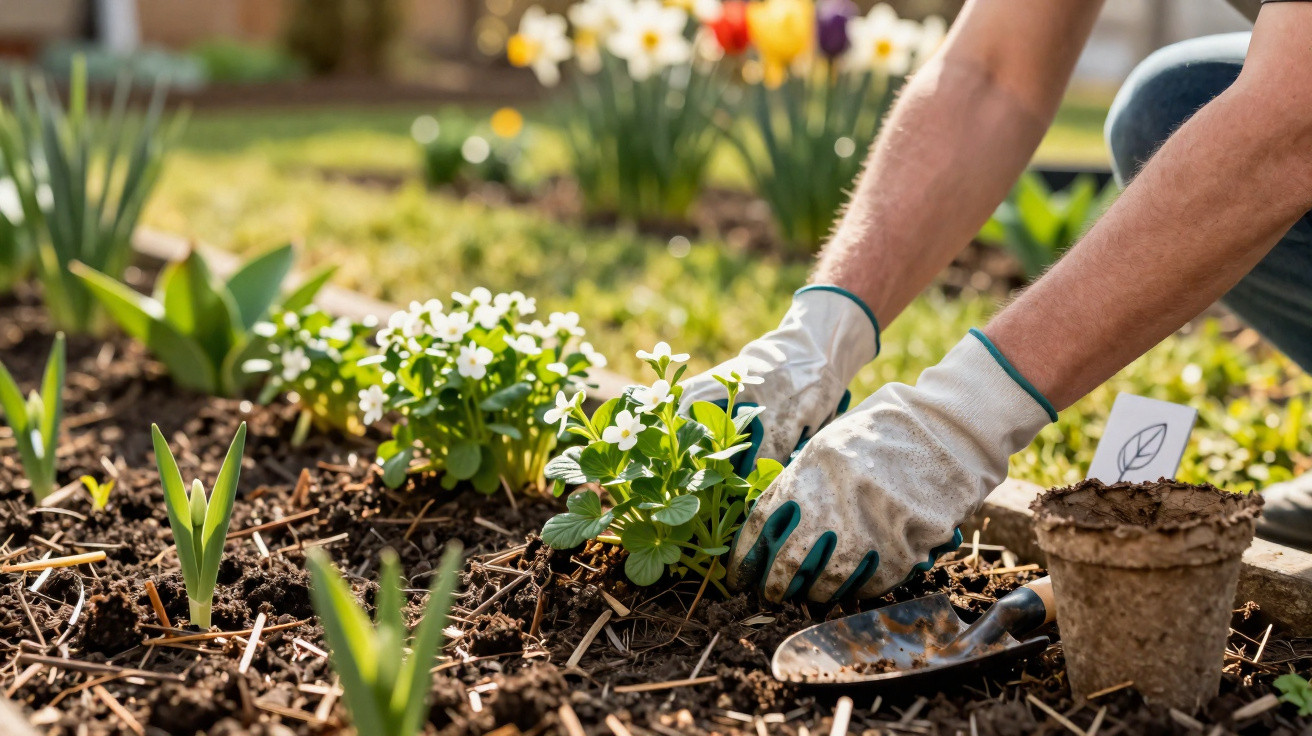
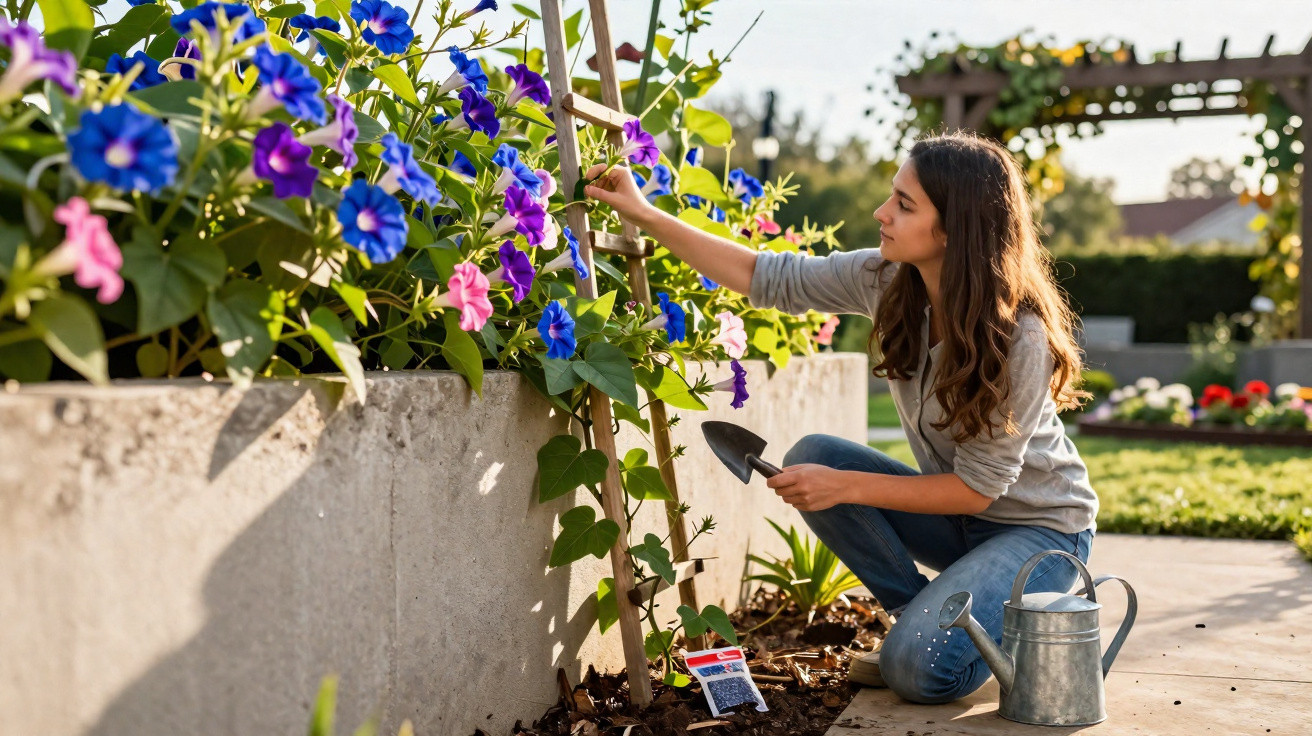
Anyone hoping to cut abundant bouquets from their own garden in summer often begins preparing in March. Several traditional bedding and cut flowers can be planted or sown early.
Typical choices for sowing or planting in early spring include:
- Pot marigolds – reliable, tough and ideal for filling gaps
- Pansies – available as young plants for window boxes and beds
- Cornflowers – popular with bees and bring intense blue to a bed
- Sweet peas (as young plants) – perfect for trellises or fences
Pansies and pot marigolds can either be planted out as young plants or sown directly once the soil has dried sufficiently. Many gardeners prefer to raise sweet peas indoors or in a greenhouse, producing sturdy seedlings that can later be moved outdoors.
Summer-flowering bulbs, tubers and shrubs
March is also the right time to think ahead to summer. Many summer-flowering bulbs and tubers are planted between late February and early April, then decorate the garden from June to August.
Popular plants for March planting include:
- Lilies – striking flowers that suit sunny positions
- Tuberous begonias – for partially shaded beds and window boxes
- Californian lilac (ornamental shrub) – clouds of blue flowers in early summer
- Hydrangeas – suitable as container-grown plants and fond of humus-rich soil
- Rhododendrons – for acidic, loose soil in partial shade
- Weigela – a freely flowering ornamental shrub for hedges and specimen planting
Free-draining soil that remains evenly moist is essential for these plants. Waterlogging is particularly damaging to bulbs and tubers, so a loose drainage layer of sand or fine gravel is worthwhile, especially in heavy clay soils.
Summer-flowering bulbs and shrubs planted in March repay the effort with an abundance of flowers just as spring blooms are beginning to fade.
Vegetables in March: what can go into the bed now
March marks the true start of the vegetable-growing season. Early direct sowings outdoors mean crops can be harvested as soon as early summer. At the same time, heat-loving varieties are being raised indoors or in the greenhouse.
Hardy varieties for direct sowing
As soon as the soil is frost-free and easy to work, the first hardy vegetables can be sown directly outside:
- Brassicas such as white cabbage and broccoli, often also started in a cold frame
- Cauliflower
- Kale and other leafy brassicas
- Lamb’s lettuce
- Watercress and other cresses
- Peas and broad beans
- Onions for the main crop
- Parsnips
- Swedes
Many gardeners also begin sowing classic root vegetables, including carrots and beetroot, in March. The benefit is that these crops mature particularly evenly in cooler temperatures and are less likely to bolt.
Salads and delicate vegetables: establish the basics now
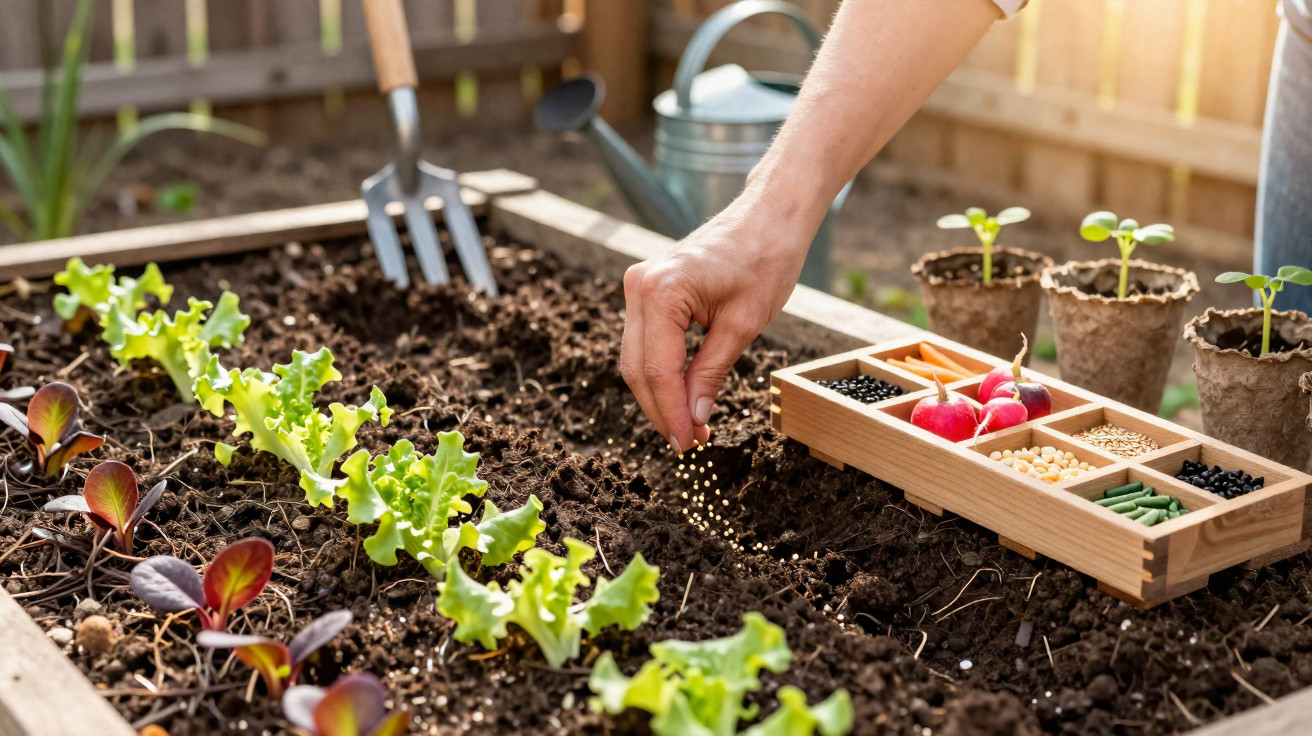
From mid to late March, when the days are noticeably longer, it is worth turning attention to the salad beds. The first sowings for quick, tender harvests can then go into the ground:
- Lettuce and cut-and-come-again salad leaves
- Spinach
- Hot mustard leaves
- Lamb’s lettuce for later harvesting
- Chillies (raised indoors)
- Tomatoes (also started in warm conditions)
Tomatoes and chillies should not yet be planted outdoors in March. They require a long, warm growing period, so they are best started on a windowsill or in a heated greenhouse. Starting too late risks weak plants and much later harvests.
Fruit in March: pruning, care and new planting
For fruit trees and berry bushes, March is a decisive month. Many varieties will begin growing shortly, making maintenance and checks the priority now.
- Final pruning for apples and pears: shaping and thinning cuts should be completed before the buds burst.
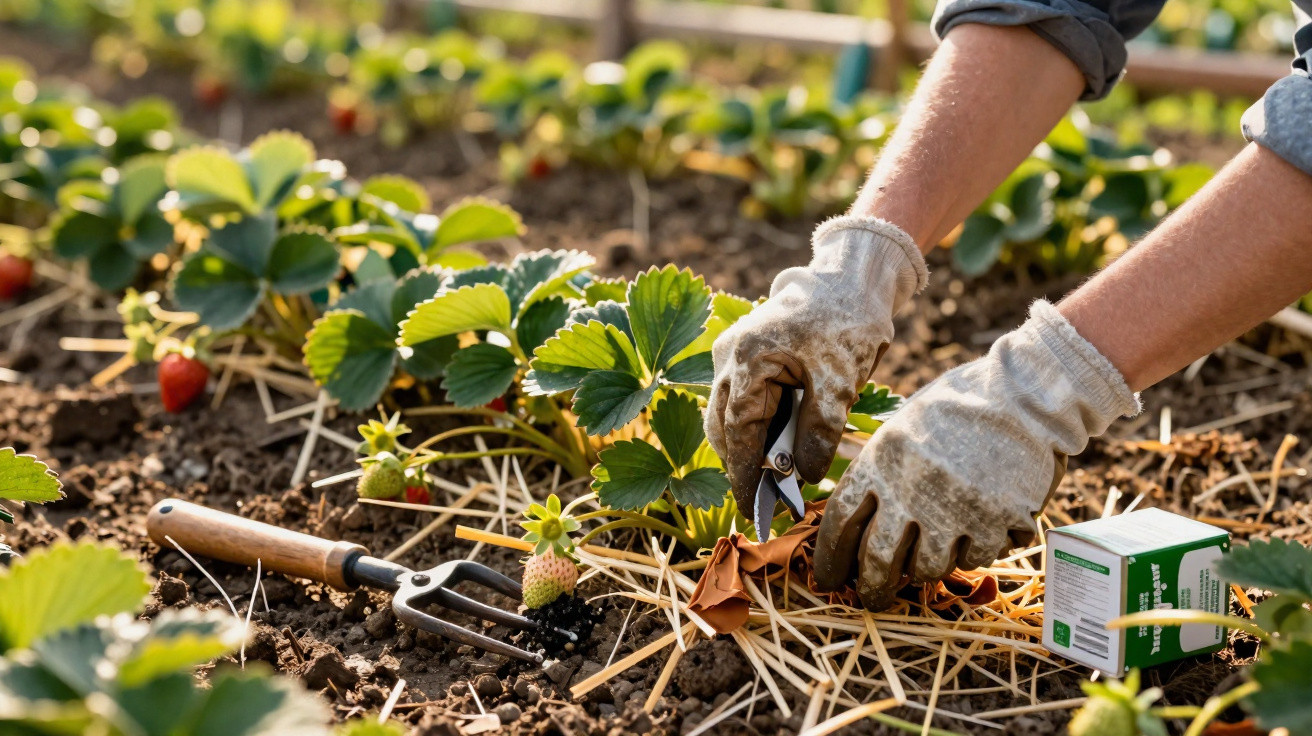
- Plant new berry bushes: container-grown redcurrants, gooseberries and raspberries can be planted successfully now.
- Check planting positions: waterlogged roots reduce both the health and yield of fruiting shrubs and trees.
Anyone who cares for and prunes fruit trees properly in March lays the foundations for a reliable harvest and healthy trees in the years ahead.
Managing the climate: March is becoming warmer
Studies show that spring is warming particularly strongly in many regions. Plants therefore come into growth earlier, often followed by late frosts or dry spells. Gardeners need to adapt to these conditions.
Managing water in the garden
Heavy rainfall alternating with extended dry periods has become routine for many home gardeners. A few simple steps can help plants remain resilient:
- Collect rainwater in water butts or cisterns
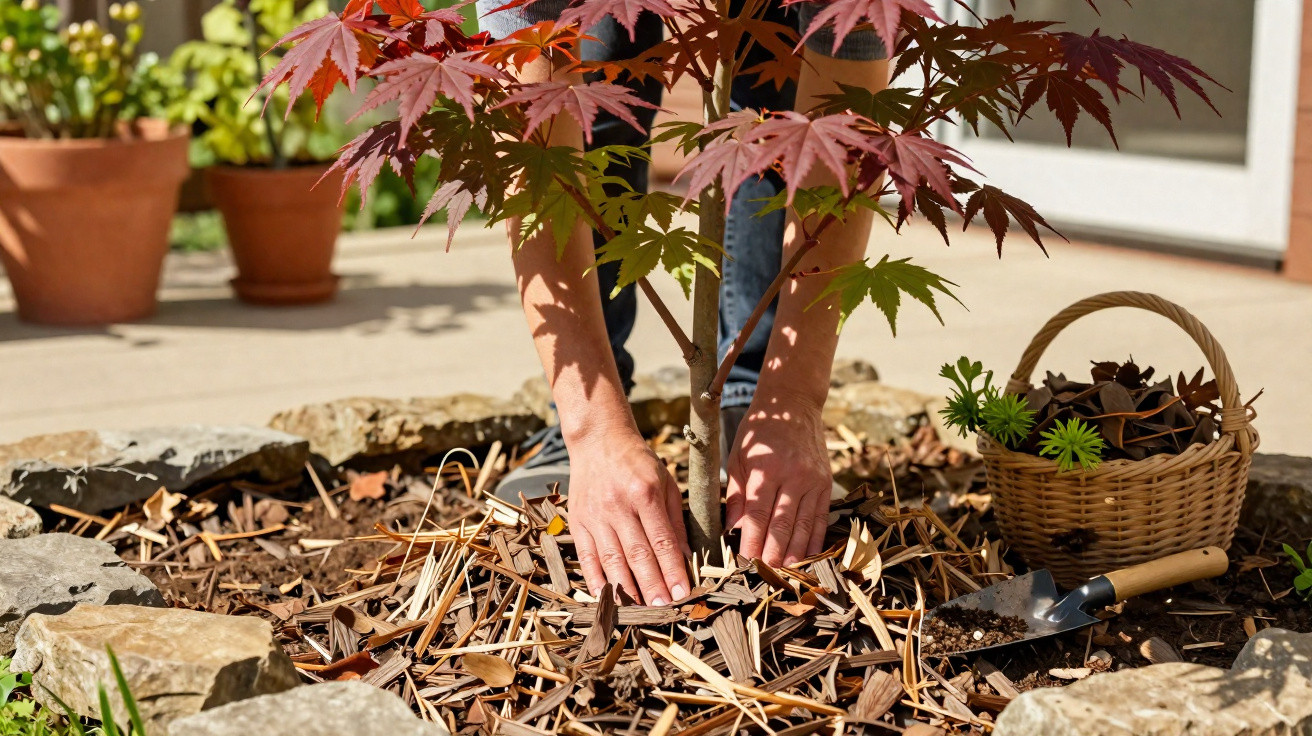
- Use mulch made from grass clippings, leaves or straw to prevent drying out
- Create slightly raised beds so that water can drain away more effectively
- Include deep-rooted shrubs and perennials as “water buffers”
Keeping the soil rich in humus allows it to retain more water and nutrients. Compost and well-rotted manure significantly improve soil structure and help moderate temperature fluctuations.
Think ahead to April: a head start for summer and autumn
Gardeners who plan in March will have less pressure in April. The following month is especially suitable for getting heat-loving crops under way and establishing herb beds.
Start the herb garden in good time
In April, and in some cases from late March in a sheltered spot, basil, parsley and chives begin their season. These herbs grow well in pots, raised beds or narrow strips along the edge of a patio. Planting or sowing young plants now often provides harvests well into autumn.
Plan the autumn harvest now
Later highlights can be planned early as well. Many gardeners start sunflowers, pumpkins and courgettes in April, indoors or in the greenhouse. The robust young plants are then moved outside in May, producing generous harvests in late summer and early autumn.
Practical example: a possible March plan
| Area | March task |
|---|---|
| Flower bed | Plant pansies, sow cornflowers and plant tuberous begonias |
| Vegetable bed | Sow peas, parsnips, swedes and the first salads |
| Fruit garden | Prune apple and pear trees, plant new berry bushes |
| Herbs and heat-loving crops | Raise tomatoes and chillies indoors, plan the herb garden |
Taking one afternoon in March to prepare beds, write planting lists and organise seeds makes the rest of the season more relaxed. Many mistakes result from rushing just before the Ice Saints; a clear spring plan prevents this.
Another point that is often underestimated is companion planting. Combinations such as carrots and onions, salad leaves between slower-growing brassicas, or pot marigolds around the edge of a bed can deter pests and make the best use of available space. This turns a simple March start into a well-planned gardening year with greater yields and fewer problems.
Comments
No comments yet. Be the first to comment!
Leave a Comment