
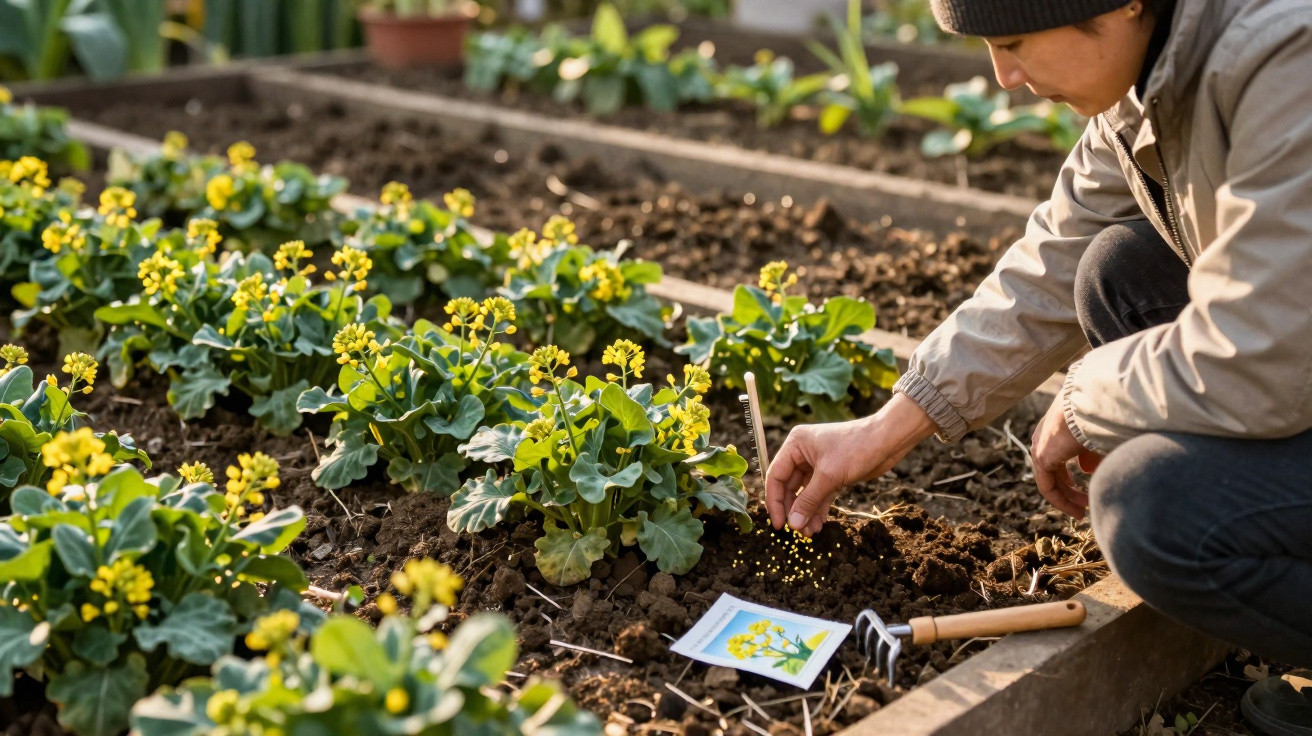
While many people spend February simply wishing for spring, they miss a valuable gardening opportunity. Although most beds are still bare, this is the ideal time to improve the soil deliberately. The answer is a plant that few people grow for themselves, yet it gives the ground a powerful boost ahead of later sowing.
The overlooked helper: why green manure works wonders now
There is often a gap in the vegetable garden between winter’s grey days and the first signs of spring. Green manure is particularly useful at precisely this point: it is sown for the soil rather than for eating. The plants are cut later on and worked back into the ground. They add nutrients, loosen the soil and protect it from erosion.
“Green manure is like a seasonal wellness treatment for the soil – inexpensive, straightforward and with a measurable effect on the harvest.”
Rather than leaving bare earth exposed, it creates a green cover that suppresses weeds, cushions rainfall and keeps the soil active. Some species are especially interesting because they get going while many gardeners have not even begun to think about sowing.
Why white mustard comes into its own at this time of year
One of the most effective plants for this season is white mustard, botanically known as Sinapis alba. It begins growing once the soil reaches around 5°C. While beds may still look sparse, its seeds are already starting and germinate reliably.
Within a few days, it forms a thick green cover. Very little light reaches the surface of the soil, making it difficult for unwanted weeds to establish. Rain no longer hits the ground directly, while wind is far less able to carry away fine soil particles. The bed remains stable and well structured.
Its roots penetrate surprisingly deeply, creating fine channels. The roots of tomatoes, courgettes or lettuce can later push into these spaces more easily. No rotavator or powered cultivator is needed – the plants do the work themselves.
The right timing: when to sow and how much to spread
Getting started early enough is crucial. The best time is from mid-February, once the ground is no longer frozen and has begun to warm slightly. Acting at this stage makes the most of lingering winter moisture and the first milder days.
- Seed rate: around 1 to 2 grams of seed per square metre
- For 10 square metres, 10 to 20 grams of seed are sufficient
- Sowing depth: sow directly on the surface or cover only lightly (1–2 cm)
The soil does not need major preparation for this to work. A light tidy-up is entirely enough.
Preparing the soil without heavy work
Lightly scratch over the area using a rake or cultivator. The aim is not to turn the soil deeply, but to loosen its surface so that the seeds make good contact with the earth.
If the soil is heavily compacted, a brief pass with a digging fork or hoe can help. Push it in deeply once, lift slightly, but do not turn the soil over completely. This creates air channels without disrupting the soil structure too severely.
Sowing technique: how to spread the seed successfully
The sowing itself can be done with a simple approach: scatter the seeds evenly by hand, as though feeding chickens. If you are unsure, mix the seed with a little fine sand first. This helps it spread more evenly.
Then firm the area gently, either with the back of a rake or by walking over it once. The seeds need firm soil contact, but should not disappear too deeply. During a damp spell, the first delicate green haze often appears after around ten days.
Care, the right cutting time and working it back into the soil
The key to this method lies less in sowing than in ending the crop at the right moment. Around six weeks after sowing, the plants will have produced enough growth. At this point, their leaves and stems contain plenty of nutrients.
Waiting too long and allowing full flowering risks woody stems and possible self-seeding. The plants then break down more slowly and may spread uncontrolled.
- Cut shortly before flowering or as flowering begins
- Work the plant remains in only shallowly, around 3–5 centimetres deep
- Leave the soil to rest for a few weeks before planting the next crops
Incorporating the material creates a form of natural compost directly around the root zone. Microorganisms break down the plant matter, releasing organic nitrogen as they do so. This is precisely the nutrient that many vegetable plants need in larger quantities during spring.
“The plant is not harvested; it is turned into a natural fertiliser on the spot – with no bagged products, no chemicals and no transport.”
Measurable yield increases: what you can realistically expect
Agricultural trials in recent years clearly show that plots where this type of cover crop was incorporated in good time produce higher average yields. Increases of around 15 to just under 20 per cent are realistic when the timing and soil conditions are right.
Several effects work together to produce this result:
- Improved soil structure through root-created channels
- Extra organic nitrogen available at the right time
- Less competition from weeds
- More stable soil moisture beneath the plant cover
Young vegetable plants usually establish more strongly in these beds. Their leaves remain succulent for longer, and their roots branch more intensively. Many home gardeners report noticeably more luxuriant lettuces, hardier brassicas and more vigorous tomatoes.
Important points: what to avoid with white mustard green manure
Although the method is highly effective, a few rules are worth following:
- Do not allow plants to reach seed maturity, or they may spread where they are not wanted.
- Sow only into soil that is slightly moist, not soaking wet. Waterlogged areas prevent germination and can cause rotting.
- After cutting, incorporate the plant material promptly or add it to the compost heap, so that a thick, rotting layer does not remain on the surface.
Anyone dealing with a serious slug problem should keep a close watch. Dense plant growth can provide hiding places. In that case, inspect the area carefully, or cut and incorporate the crop earlier.
What grows particularly well after a green manure cover
Following this type of preparation, many vegetable crops establish more reliably. Particularly suitable options include:
- Fruiting vegetables such as tomatoes, peppers, pumpkins and courgettes
- Leafy crops such as butterhead lettuce, loose-leaf lettuce and spinach
- Early potatoes in lighter soils
- Brassicas, which require plenty of nutrients
If you have several beds, you can rotate them: one section can be under green manure in late winter, while another is already set aside for early crops such as radishes or early lettuces. This spreads the workload across several stages and allows the garden to provide dependable harvests over a longer period.
Practical examples and everyday garden tips
A typical example is a tomato bed that has stood empty since autumn. Instead of leaving it fallow, sow green manure in mid-February. Cut it in April and work it in shallowly, then plant new tomatoes at the end of April or during May. They will begin in soil that is loose and well supplied with nutrients.
The same approach works with beds intended for beans, cucumbers or brassicas. Those with very heavy clay soils often notice a clear improvement in how easily the soil can be worked thanks to the root channels. It becomes more crumbly, less sticky and dries out more evenly.
This method is equally suitable for small urban gardens and raised beds. Just a few grams of seed can be enough to restore the soil between two crops. If incorporating the plants is not possible, simply cut them down and leave them on the surface as a mulch layer. Decomposition will take a little longer, but the soil will still benefit.
Further insights: what creates the effect in the soil
The benefit comes not only from nutrients, but also from soil life. Bacteria and fungi process the plant remains and form stable humus compounds. These humus components hold water like a sponge and retain nutrients instead of allowing rain to wash them away.
Earthworms pull finely chopped plant matter into deeper layers and leave castings that act like small nutrient stores. Over time, this produces a living, loose soil layer that is better able to cope with stresses such as dry spells or heavy rainfall.
By making regular green manure part of the yearly routine, you gradually build a much more resilient garden soil. The plant that never reaches the cooking pot therefore lays the foundation for many abundant harvests in the coming season.



Comments
No comments yet. Be the first to comment!
Leave a Comment