
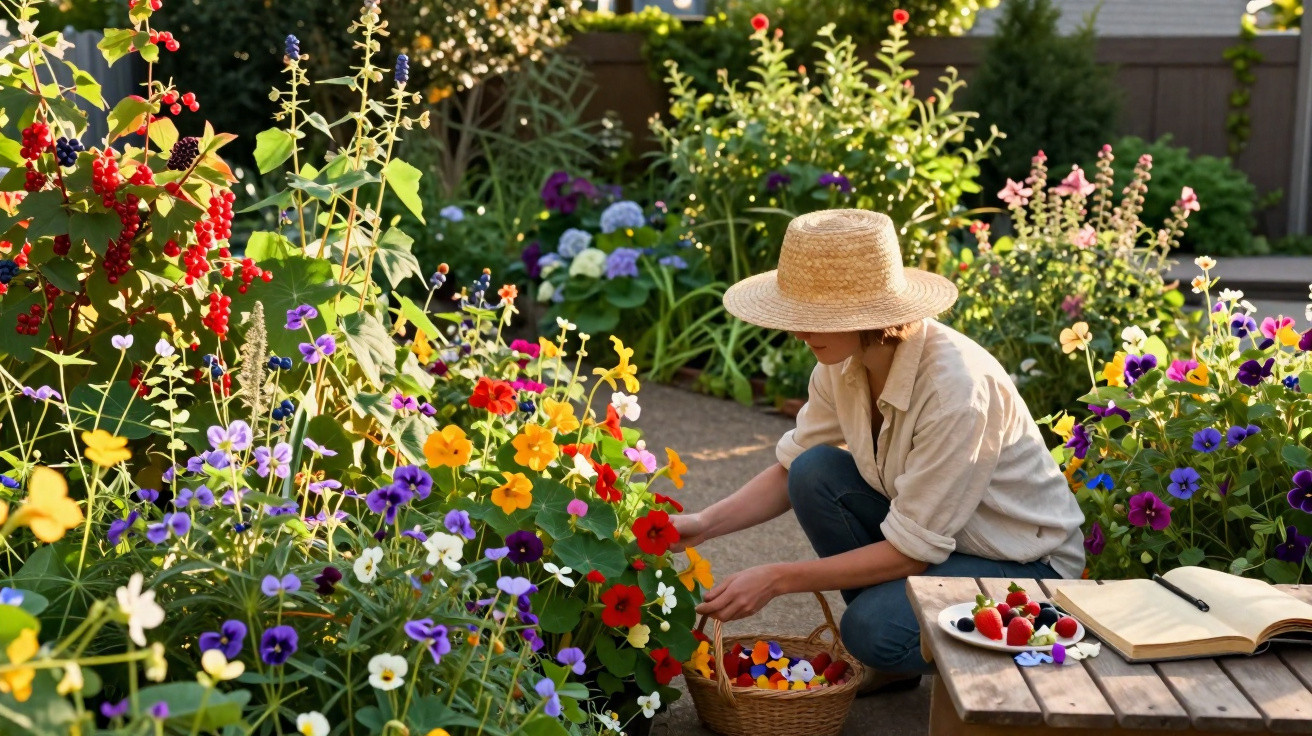
Picture a border that resembles a sea of blooms – where almost everything can end up on your plate.
Many amateur gardeners are tired of uninspiring lawns and the same old ornamental shrubs. Instead, there is growing interest in gardens that look attractive while also producing food. This is exactly where the edible flower bed trend comes in: a blend of berry bushes, flowers and herbs that needs little effort and provides something to harvest for almost the entire year.
Why now is the ideal time to create an edible flower bed
Most people immediately associate gardening with spring and warmer weather. However, anyone who gets started towards the end of winter gives their plants a genuine head start. At this time, the soil is still moist, temperatures are gradually rising, and young roots experience less stress.
Anyone who creates their edible flower bed before spring can enjoy abundant harvests months earlier and reduce summer watering.
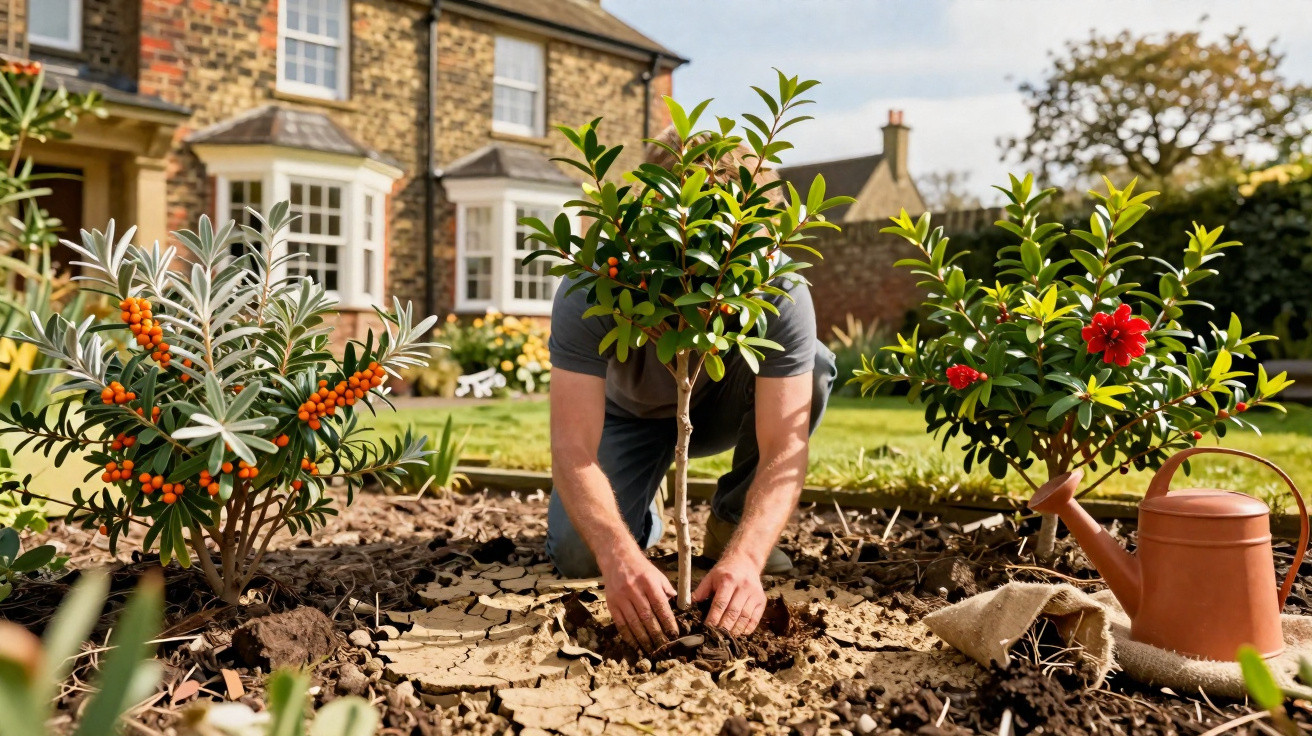
Shrubs and perennial plants focus mainly on establishing roots during the cooler season. Those deeper, stronger roots make them considerably more resilient to drought later on. Many nurseries also offer bare-root woody plants at this time; they cost less, often establish more successfully, and make larger planting projects possible without an enormous budget.
So, if you lay the foundations for your edible flower bed over a late-winter weekend, you can reap berries, flowers and aromatic leaves in summer – without constantly having to run around the garden with a watering can.
Berry bushes as the framework: attractive, hardy and highly productive
An edible flower bed needs a clearly defined structure. Rather than relying on evergreen yet rather dull ornamental shrubs, many gardening professionals choose berry bushes. They add height to the border, provide colour throughout the year and, naturally, produce plenty of fruit.
Hardy varieties that do not require a complicated pruning routine and crop reliably year after year are ideal.
These berry bushes are perfect for the basic structure
- Currants (red, white, black): They are tough, tolerate partial shade and provide plenty of vitamins. The foliage of blackcurrants releases an intense fragrance when you brush past it.
- Gooseberries: Their thorny branches naturally create a small living hedge. They are ideal around bed edges where they can discourage curious cats or children’s feet a little.
- Thornless raspberries: They grow quickly, can easily be trained onto trellises and will not injure your hands. They are perfect towards the back of a border.
Maintenance is minimal: one light prune each year, towards the end of winter, is enough. Remove old, heavily overgrown shoots, while retaining younger shoots to bear fruit. In between, there is mostly just one thing to do: admire and snack.
Berry bushes take the place of decorative ornamental shrubs – except they also deliver vitamin-packed fruit.
Edible flowers: living ground cover instead of bare soil
No soil should be left exposed between the shrubs. Bare patches attract weeds, dry out rapidly and simply look unfinished. A far better choice is a low carpet of edible flowers and herbs that covers the ground.
Flowers that decorate both plates and borders
By late winter, nearly every garden centre has plants that work beautifully as edible ground cover:
- Pansies and violas: Frost-hardy, flowering for weeks and producing edible blooms that add visual appeal to salads, desserts and drinks.
- Chives: They form dense clumps that provide not only aromatic tubular leaves but also edible purple flower heads.
- Mint (in a buried pot!): It adds fragrance and freshness to drinks, but it must be contained to stop it from taking over the entire bed.
Further flowering stars join them in late spring and summer:
- Nasturtiums: Their bright flowers have a mildly peppery flavour, almost like cress, and work well in salads and sandwiches.
- Borage: Its blue star-shaped flowers make it a real eye-catcher. The blooms have a mild taste and suit ice cubes, punches or decoration.
- Calendula: The petals can be dried and used as a natural “saffron alternative” to colour rice or soups.
Edible flowers act like living mulch: they keep the soil cool, save water and also provide culinary highlights.
How plant partnerships reduce gardening work
The key to an edible flower bed is dense planting. The less bare soil there is on show, the less work is needed over the course of the year. Plants shade the soil, meaning it dries out far more slowly. This significantly cuts watering, particularly during hot summers.
At the same time, the different species benefit one another: deep-rooted shrubs draw water from lower layers, while shallow-rooted herbs and flowers stabilise the upper soil layer. Different scents confuse pest insects, and mixed planting makes life more difficult for pests that thrive in monocultures.
Typical combinations that have proven effective include:
- Currants in the centre, with a carpet of chives and violas in front.
- Raspberries trained on a trellis, with nasturtiums and borage at their base.
- Gooseberries around the edge, with calendula and mint planted in a root barrier between them.
There is another advantage: flowers such as calendula and tagetes have traditionally been used to reduce soil-borne pests. They act like small guards in the soil, with no chemicals needed.
Everyday life with an edible flower bed
Anyone willing to put in the initial planting effort will have a bed that largely looks after itself. The first flowers attract attention in spring, berries hang from every branch in summer, and colourful leaves and late blooms shine in autumn. The garden changes from a decorative feature into a useful space.
You no longer simply walk through the garden – you are practically walking through your own outdoor pantry.
Typical everyday moments include picking a few raspberries from the bush on the way home, gathering flowers for a salad or cutting mint for iced tea. Those with children quickly notice that even picky vegetable eaters become curious: a garden that you are allowed to taste feels almost like a natural snack dispenser.
Practical tips for an easy start
A few simple principles can help make your first steps a success:
- Start small: It is better to plant a 3–4 square metre bed perfectly than to overhaul the entire garden half-heartedly.
- Check the location: Berries thrive in sun to partial shade. Harvests will be poor in very dark corners.
- Label plants: Mark edible flowers with small signs so that guests and children know what may actually go on the plate.
- Water during the first few weeks: Especially with bare-root woody plants, keep the soil evenly moist until they have established.
If you are unsure whether a plant is genuinely edible, choose clearly labelled varieties from a nursery. Many retailers now offer dedicated “edible flower” collections.
Risks and points to consider
An edible bed is not permission to nibble everything. Some ornamental garden plants are poisonous, especially for children and pets. Mixtures of edible and non-edible species should be clearly labelled. If in doubt, always eat only what has been identified with certainty.
Anyone living close to roads should avoid placing edible areas directly beside the fence, to limit exposure to exhaust emissions and dirt. Pets in the garden are another consideration: dogs occasionally like to mark beds, so edible areas are best positioned somewhere more protected.
Benefits for the climate, your wallet and biodiversity
A well-planned edible flower bed offers much more than attractive Instagram photos. Bees, bumblebees and other pollinators can find food from early until late in the season. Dense planting protects the soil against erosion and heat. Many berry bushes thrive for decades with little care – an investment that pays off in the long term.
Anyone who has seen children enthusiastically taste nasturtium flowers or experienced the flavour of their own currant juice will soon find conventional, sterile front gardens boring. Edible beds fundamentally change how you see a garden: it is no longer merely maintained, but used – with the eyes, nose and palate.
Comments
No comments yet. Be the first to comment!
Leave a Comment