
A single strawberry, a cheap herb pot or a reduced bouquet of roses may sound like the contents of a clearance shelf, but they can be the starting point for a surprisingly abundant garden. With patience, a few everyday materials and a willingness to experiment, you can create edible beds, fragrant corners and even romantic rose bushes without spending much money.
Why the supermarket can become a nursery
Food prices are rising, while plants from garden centres can be expensive, so many amateur gardeners are looking for ways to cut costs. That is exactly what makes these ideas so appealing: they make use of items already heading for the shopping trolley or nearing the bin.
“A punnet of strawberries, a herb pot and an inexpensive bunch of roses can gradually grow into a garden full of fruit, fragrance and flowers.”
Rather than buying fully grown, ready-to-plant specimens, the basic material comes from the fruit and flower aisles, allowing you to raise plants yourself. It takes time, but requires virtually no extra spending - and is remarkably enjoyable.
One strawberry can become a whole bed
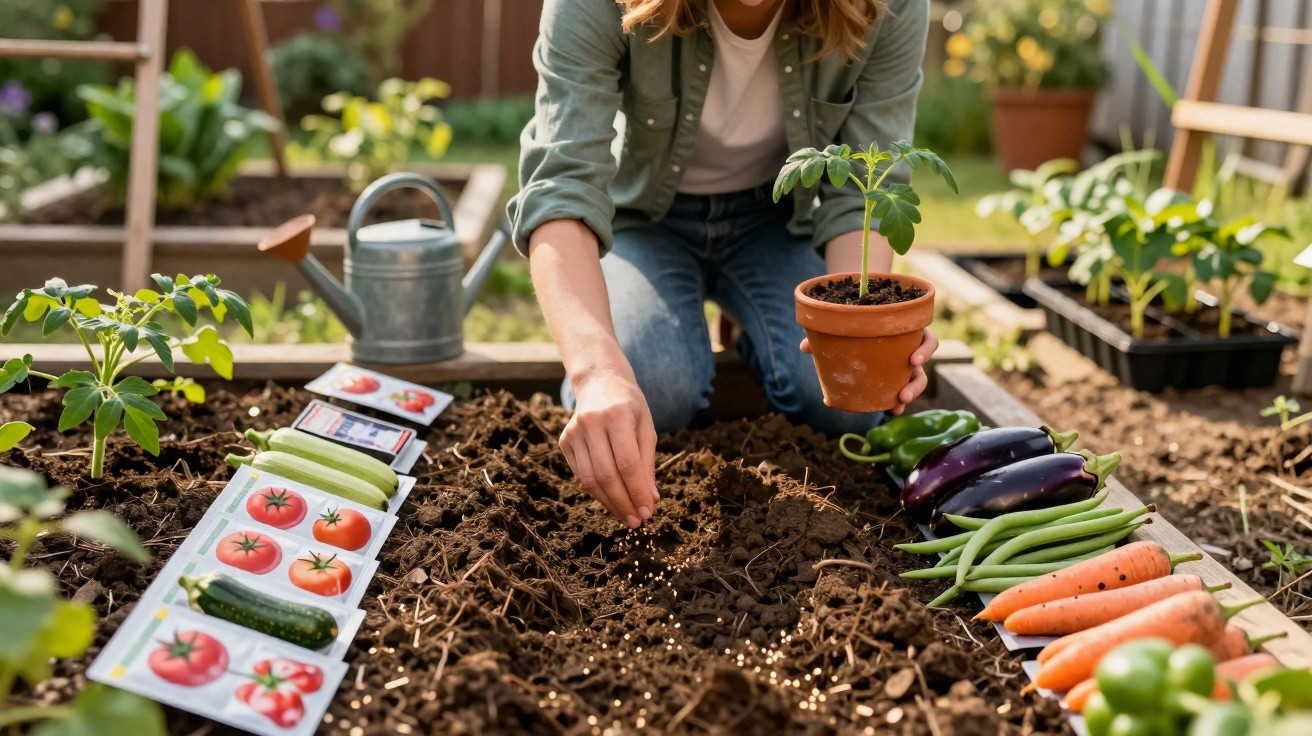
Every strawberry carries countless tiny seeds on its surface. With a little preparation, these seeds can make their way from the dessert plate to a raised bed.
Turning strawberry leftovers into new plants
- Slice the strawberry lengthways and carefully remove a thin layer of flesh containing the seeds.
- Leave this layer to dry on kitchen paper for several days, until it is no longer sticky.
- Gently rub the dried layer between your fingers so that the small seeds fall free.
- Place the seeds on slightly damp kitchen paper and put them inside a freezer bag.
- Keep the bag in the fridge for around three weeks - this replicates winter conditions.
This cold period helps to trigger germination. Once it is over, the seeds can come back out into the open air.
Sowing on the windowsill
Scatter the seeds over loose seed compost, press them down lightly and do not cover them with soil. A bright spot at roughly 20 degrees is ideal. Keep the compost evenly moist without overwatering it. When the first leaves emerge, move the strongest seedlings into individual pots.
As soon as severe frost is no longer expected outdoors, the young plants can be planted outside, whether in a bed, window box or large container. After a few weeks, they produce runners: side shoots that form new plantlets. By pressing these small “offspring” into the soil or guiding them into separate pots, you can expand your stock almost free of charge.
“Starting with a few ripe strawberries, a proper strawberry patch can develop within two or three years - particularly if the runners are directed deliberately.”
Save supermarket herb pots and harvest for years
Supermarkets often sell tightly packed, short-lived pots of parsley, basil and similar herbs. Many end up in the bin after only a few weeks, despite containing far more potential than a small clump of kitchen greenery.
Why herb pots fade so quickly
The plants are crammed together, competing for a limited amount of compost and drying out very quickly. That arrangement works for rapid sale, but not for a long herb-growing season. A few simple steps can turn a disposable product into a lasting source of flavour.
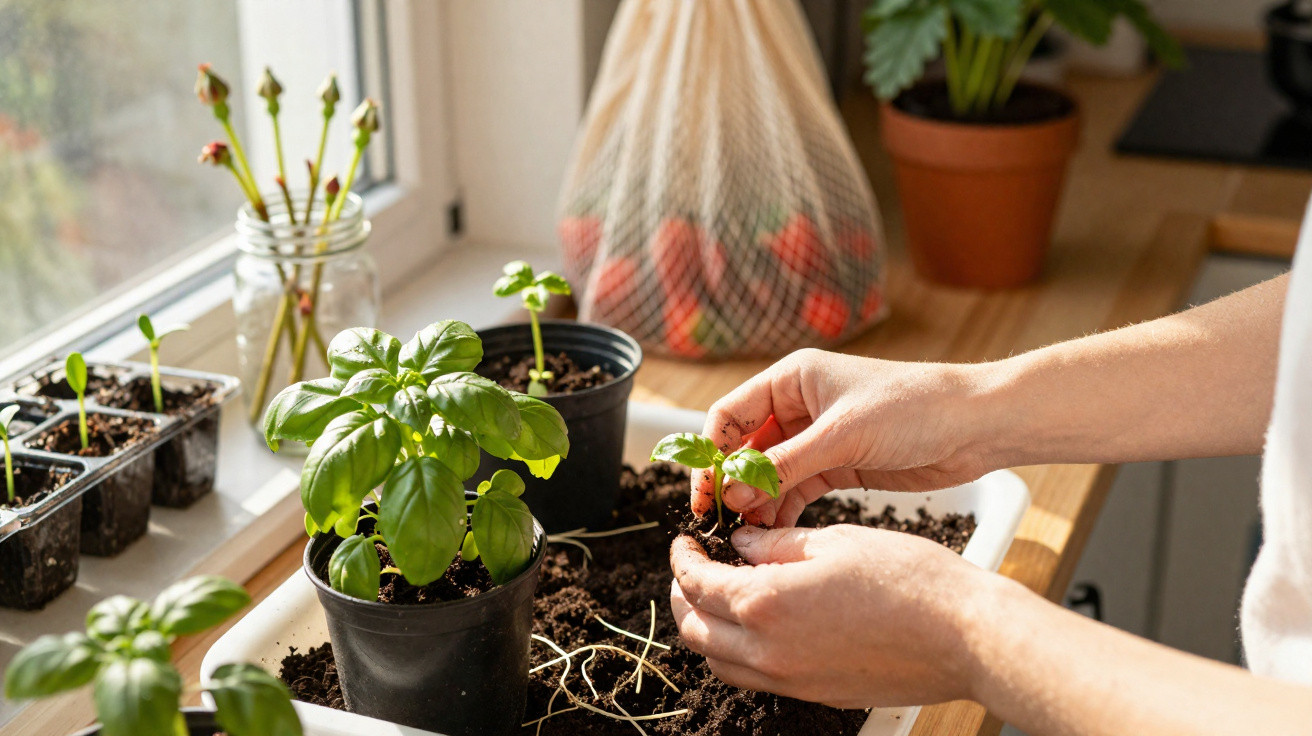
How to turn a herb pot into a mini garden
- Carefully remove the pot from its plastic container.
- Divide the compact rootball into several sections using your hands or a knife.
- Plant each section in its own pot filled with fresh, free-draining compost.
- Keep them well watered during the first few days, so the roots can establish.
Perennial varieties such as rosemary, thyme, oregano, sage and chives are particularly suitable. They thrive in large containers - a diameter of 40 to 50 centimetres is ideal, although 25 centimetres is sufficient for individual plants.
The best position for each herb type
Many Mediterranean herbs prefer sunshine and relatively dry compost. These include:
- Rosemary
- Thyme
- Oregano
- Sage
They benefit from six to eight hours of light each day and dislike wet roots. Chives, tarragon and salad burnet tolerate slightly more moisture. Mint and lemon balm grow extremely vigorously and can quickly overwhelm other plants, so they are best kept in a pot of their own.
“Anyone who places their herbs right beside the kitchen door will reach for fresh greenery more often when cooking - at no extra cost.”
In many gardens, occasional watering, pruning after flowering and a little winter protection during hard frosts are enough to provide aromatic harvests for years.
Rose bouquets as a source of new rose bushes
One of the most unexpected ideas is that a cheap bouquet of cut roses can produce new rose bushes. Amateur gardeners report online that they have created entire beds in this way.
Step by step: turning stems into rose bushes
- Unwrap the rose bouquet and remove all flowers, so that the stem receives the energy.
- Make a fresh cut at the base of every stem.
- Cut the stems into pieces around 15 centimetres long; make the top cut at an angle, just above a leaf node.
- Optional: lightly score the bark at the lower end to encourage root formation.
- Push the cuttings several centimetres deep into good, slightly moist compost, either in a bed or large pots.
- Water thoroughly and protect them from harsh, direct sun until the first roots have formed.
In the best-case scenario, roots will develop after three to four weeks, followed later by fresh shoots. Once the shoots look strong enough, the young roses can be moved to their permanent position in a bed or large container.
“The first flowers may appear in the same year, although sometimes it takes longer. As perennial plants, these rose bushes will then produce new buds for years.”
Garden enthusiasts say that even heavily reduced bouquets from work or the supermarket clearance section can become long-lasting keepsakes this way. Some deliberately plant roses from special occasions, such as the first bouquet in a relationship, and continue the tradition for decades.
What to consider with these garden experiments
Although these techniques may seem playful, a few points can help to avoid disappointment:
- No guarantee of success: Not every strawberry seed will germinate, and not every rose stem will shoot. It is best to expect some losses from the outset.
- Time matters: Seeds do not turn into a productive garden overnight. Many plants need months, and some need a year, before they truly get going.
- Check the location: A north-facing balcony or a very windy spot makes the process harder. Bright, sheltered positions improve the chances of success.
- Use good compost: The cheapest potting compost often dries out too rapidly or compacts heavily. A reliable peat-reduced compost is worth the investment.
Even with a degree of risk, disappointment is usually limited: the starting material was intended for eating or for a vase anyway. If an experiment fails, there is hardly any financial loss.
Why this approach is more than a money-saving trick
Raising plants from supermarket produce lets you experience the whole life cycle, from seed or cutting to flowering or harvest. For families with children in particular, it creates a hands-on lesson in nature and sustainability.
The projects also work well together. Herbs or strawberries can later grow around a self-raised rose, attracting bees and covering the soil. On a balcony, a herb planter beside a container of rose cuttings can transform a dull corner into a small oasis.
The long-term effect is equally interesting: once you realise how easily plants can be propagated, you are likely to shop more thoughtfully in future. Rather than buying new bedding plants every year, you may choose perennial varieties, divide perennials with neighbours or swap cuttings. What begins as a small experiment with one strawberry or a cheap bouquet can become an introduction to a permanently affordable, thriving garden.
Comments
No comments yet. Be the first to comment!
Leave a Comment