
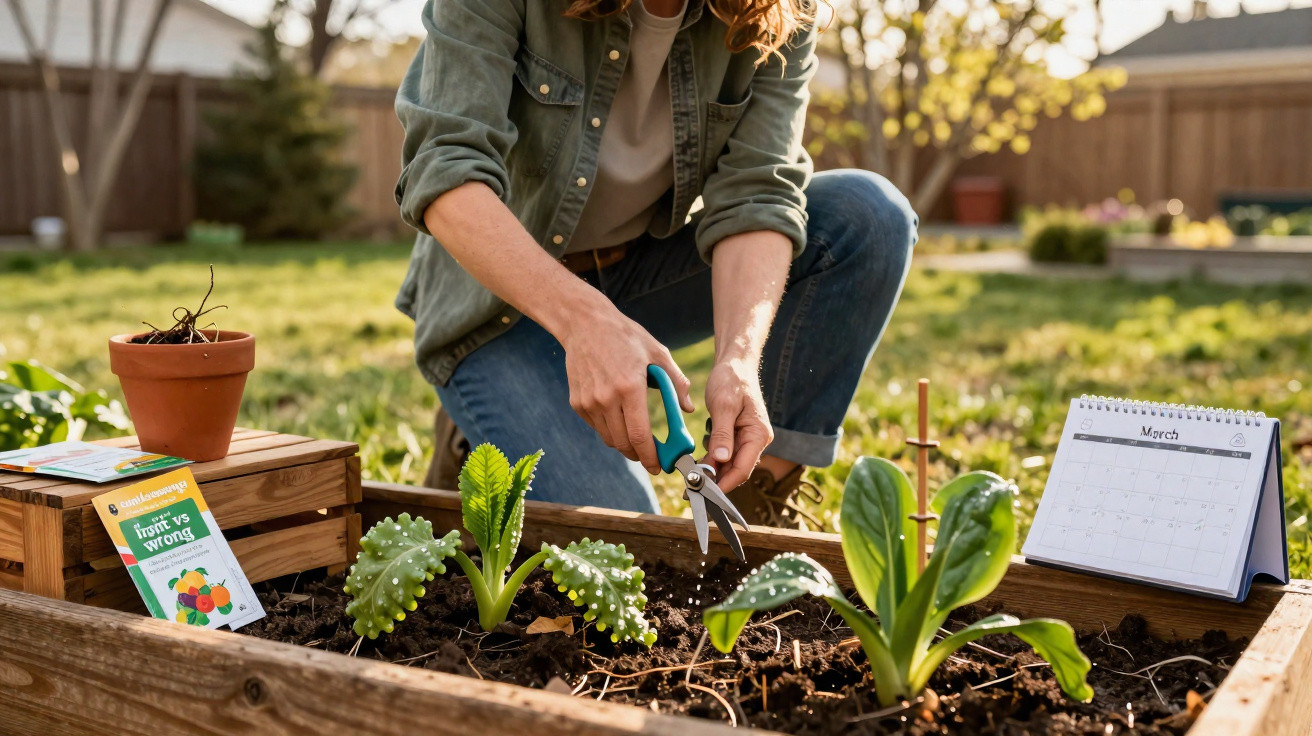
Many amateur gardeners spend the whole winter waiting for the first mild days. As soon as the sun appears, they start tidying, pruning and mowing. Yet this is precisely where March can become a trap. Some tasks harm the soil, disturb animals during their winter rest or may even breach the law. Those who plan sensibly and remain patient will begin the gardening season far more calmly and successfully.
Why patience is the best gardening trick in spring
March often already feels like spring. The air is warmer, daylight hours are increasing and the first buds are emerging. Below ground, however, winter is still very much present. The soil remains cold, sometimes wet and heavy, while many roots are only just recovering from frost. Insects, hedgehogs and other animals are also still in a transitional phase.
“Anyone who starts too early in March takes protection away from plants and animals – and slows garden growth instead of encouraging it.”
It is therefore worth reconsidering familiar routines. Not every corner needs to look immediately “tidy”. In early spring especially, a natural garden that is a little untidy is often the healthier option.
1. Leave fallen leaves and dead plants in place during March
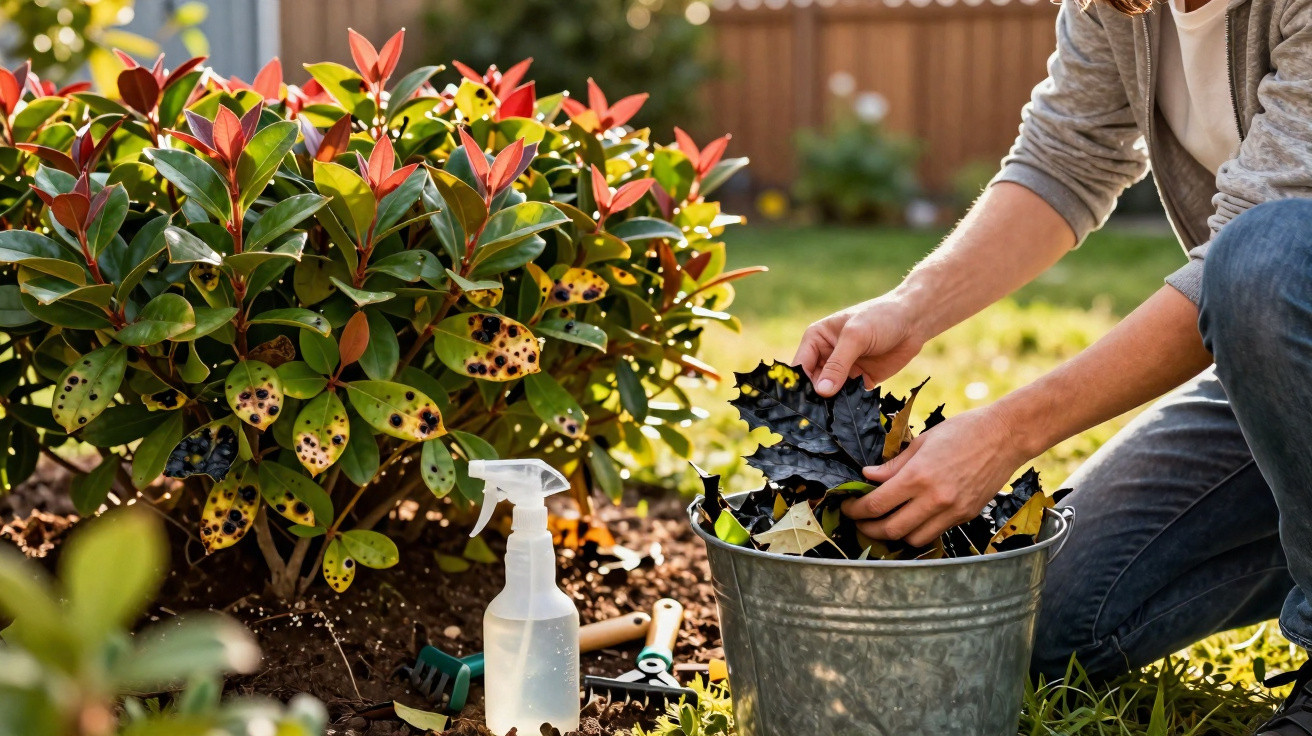
For many people, clearing away old leaves is the first job of the year. Bare soil may look neater, but it creates difficulties for wildlife. Countless insects, spiders and other small creatures shelter beneath layers of leaves and plant material, where they overwinter or have not yet completed their dormant period.
- Insects survive winter in leaf piles and become pollinators in spring.
- Birds collect small twigs and dry stems as nesting material.
- This organic layer protects the soil against erosion and supports biodiversity.
Conservation organisations advise leaving leaves and plant debris where they are until around April. Only intervene if material is clearly rotting, affected by fungi or visibly diseased. For hygiene reasons, remove these areas and dispose of them separately.
Put simply, a garden that appears “unkempt” in March can be a haven for beneficial wildlife – and therefore provide the basis for healthy beds in summer.
2. Mowing the lawn? Usually not a good idea in March
After the first sunny days, the lawn can already look lush and green. That impression is misleading. The grasses are still affected by winter at root level, and the ground is often cold and damp. Taking the lawn mower out of the shed now puts the plants under stress twice over.
Experts recommend waiting for the first cut until all three of these conditions are met:
- The grass blades are around five to seven centimetres long.
- The turf is dry rather than boggy or muddy.
- Daytime temperatures are consistently around 7 to 10°C.
If overnight frosts are still occurring regularly, leave the lawn mower alone. The blades need a certain length to form a protective layer. Many gardeners therefore do not make their first cut until mid-March, and often wait until the end of the month or even early April.
If you are determined to do something, gently rake loose branches and leaf remnants off the lawn. Work lightly so that weakened roots are not put under further strain.
3. Do not loosen beds or sow outdoors too early
After months of grey soil, many people are eager to dig beds, break up the ground and sow seeds – anything to get started. For plants, though, this is often the wrong time. Soil layers are still unstable, roots are sensitive, and beneficial organisms may be deep in the ground protecting themselves from the cold.
Using a spade vigorously at this point can lead to:
- damaged roots on perennials and woody plants that are already preparing to grow again;
- disturbed winter shelters for earthworms, beetles and other helpful soil creatures;
- a loose but exposed surface that fungi and pests can penetrate more easily.
In many cases, gently loosening the surface with a rake is harmless, provided the soil is not too wet. However, avoid sowing large areas outdoors for now, especially with heat-loving vegetables such as tomatoes, peppers and courgettes. It is better to start these crops on a windowsill or in a greenhouse, then plant them outside later.
When it is time to sow outdoors
A useful guide is the feel of the soil: once it crumbles in your hand rather than feeling like cold, sticky clay, early crops such as spinach, radishes or lamb’s lettuce can be sown outdoors. Depending on the area, this is more likely to be in April than March.
4. Postpone fertiliser and new planting because of frost risk
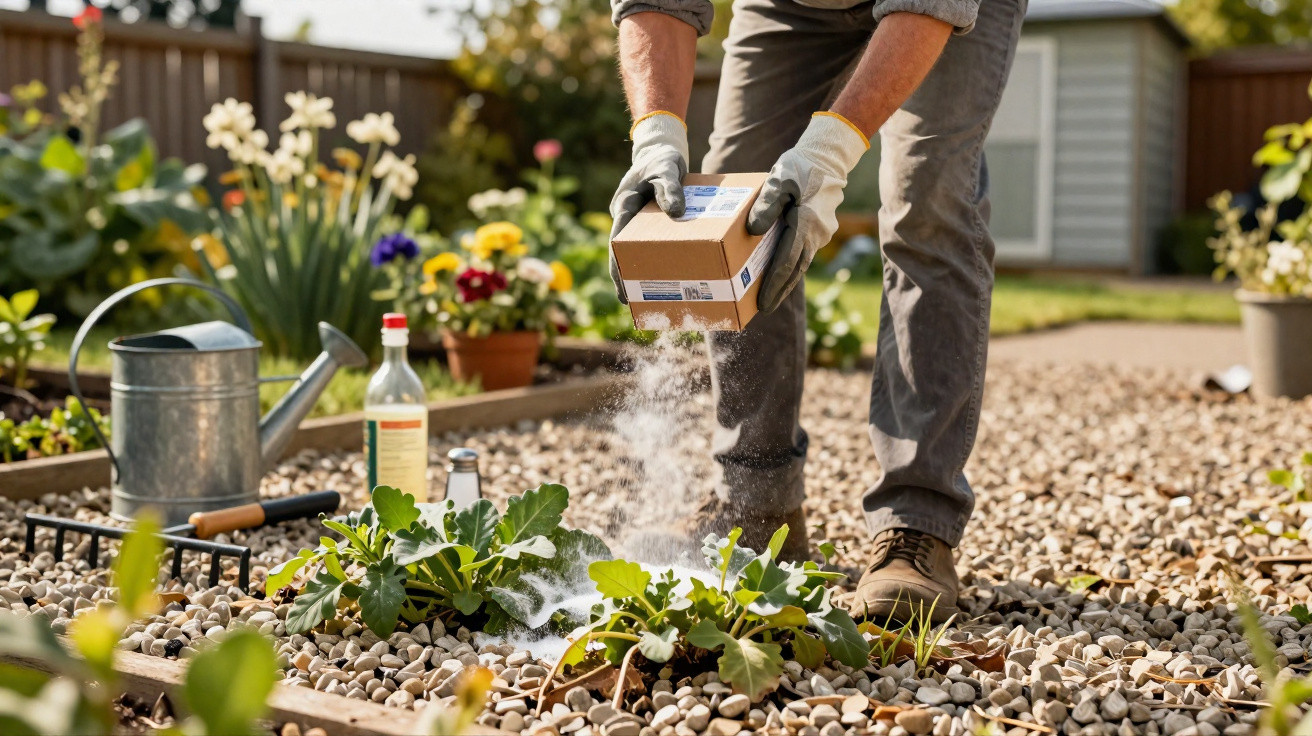
Mild temperatures at midday tempt many gardeners to fertilise immediately and put new plants into beds. March nights, however, often remain frosty. This combination of daytime warmth and night-time cold is harmful to newly planted or heavily stimulated plants.
“An early start with fertiliser and new planting puts roots under stress – and makes young shoots easy prey for late frost.”
A heavy dose of fertiliser encourages growth, causing plants to shoot as if it were already May. If a frosty night follows, the fresh shoots are particularly vulnerable to freezing. The soil may also be unable to make proper use of the nutrient boost, as soil life responds sluggishly at low temperatures.
It is much safer to wait until the soil is reliably free of frost. In some areas this happens by mid-March, while in colder locations it may not be until late March or early April.
What to do instead of fertilising and planting
If you do not want to remain inactive, apply a thin layer of mulch instead. Suitable materials include:
- dried grass cuttings saved from the previous year;
- shredded dry leaves;
- garden wood chippings or bark mulch around established woody plants.
Mulch retains moisture in the soil, protects the surface from evaporation and temperature fluctuations, and gradually supplies nutrients – without overwhelming plants in March.
5. Hedges and shrubs: severe pruning prohibited from 1 March
This is one task with real potential for trouble: by law, heavy cutting back of hedges, shrubs and bushes is prohibited from 1 March to 30 September. The rule is based on the Federal Nature Conservation Act. Anyone who breaks it risks substantial fines.
The reasoning is straightforward. From March onwards, birds search for nesting sites, build nests and raise their young there. Many species use dense hedges and shrubs as shelter. Hedgehogs, insects and other animals also hide in them. Severe pruning would destroy their habitat at a sensitive time.
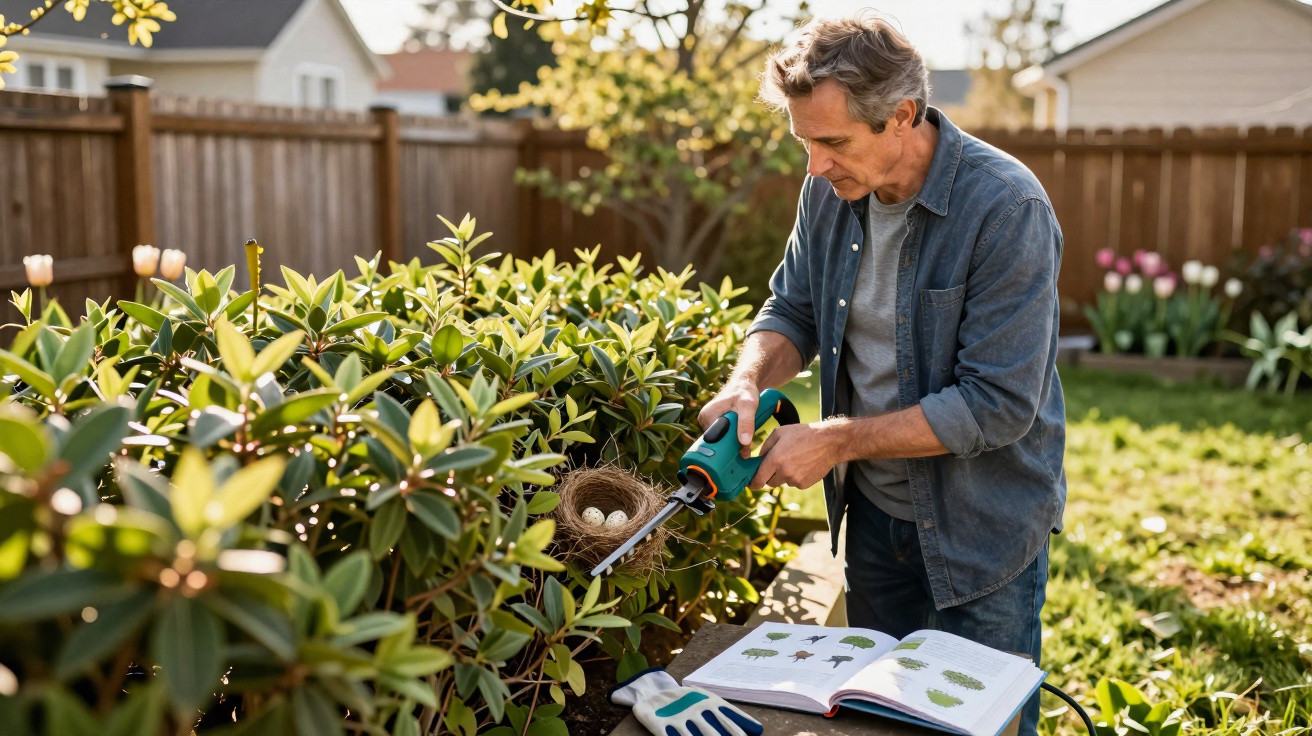
Only gentle maintenance pruning remains permitted. This means removing individual troublesome or dead branches, rather than whole sections or entire parts of a hedge. Crucially, inspect carefully for nests or sleeping animals before picking up the shears.
How to inspect hedges before maintenance pruning
- Check the hedge slowly, both inside and outside.
- Listen for quiet rustling or wingbeats.
- Examine suspicious cushions of material, clusters of twigs or piles of leaves closely – a nest may be concealed there.
As soon as you find a nest or clear signs of animal inhabitants, postpone the work or prune only areas that are completely unoccupied.
Practical guide: what is sensible in March – and what is not
| Task | Advisable in March? |
|---|---|
| Remove all leaves | Better to wait; remove diseased material only |
| Mow the lawn | Only from stable temperatures of 7–10°C and when the surface is dry |
| Dig beds deeply | Avoid it; loosen the surface only |
| Apply strong fertiliser | Postpone it, as soil life is still sluggish |
| New outdoor planting | Only tough, frost-hardy plants; leave the rest until later |
| Cut hedges back severely | Prohibited; maintenance pruning only |
Why a “lazy” March benefits the garden in the long term
Taking a deliberately calmer approach to March lays the foundations for a stable, low-maintenance garden. Insect populations recover more effectively, birds can find enough food, the soil is not compacted, and plants enter the season well rested. Later on, this results in less pest pressure and a more balanced garden environment.
Many problems involving aphids, fungal diseases or thin, weak lawns are indirectly linked to excessive intervention in spring. A stable ecosystem, by contrast, can often maintain its own balance. Leaf piles, untidied corners and delaying heavy work can reward you in summer with healthier plants.
Additional tips for a relaxed start to spring
The waiting period in March can be used for preparations that cause no harm: sharpen tools, make garden plans, check seeds and clean pots. Looking at weather data for your own area can also help you understand when the soil normally becomes frost-free.
If you need more structure, create a simple calendar: when does the last frost usually occur in your area? Which vegetables should go into the bed, and when? This gives you a clear plan without the need for rushed March jobs that may later be regretted.
Patience may initially feel like going without. In the garden, though, it pays off year after year – with strong plants, more life between the beds and less stress for people and nature.


Comments
No comments yet. Be the first to comment!
Leave a Comment