

In many housing developments, the same scene is now becoming familiar: once-impressive Photinia hedges have turned sparse and unhealthy, allowing prying eyes to see straight through. Garden professionals are therefore increasingly moving away from this former fashionable shrub and choosing another one that offers reliable health, dense growth and unexpectedly decorative foliage: Pittosporum.
Why the Photinia hedge is suddenly failing
Fungal disease renders entire hedges ineffective
The major weakness of the popular red robin (Photinia) is Entomosporium leaf spot. It is caused by a fungus, Entomosporium maculatum, which attacks leaves extensively. Brown spots appear first, followed by dried-out areas; the leaf can no longer photosynthesise properly and eventually drops.
The result is that hedges intended to provide privacy become transparent. Gaps open up between the branches, giving neighbours and passers-by an unobstructed view of patios, living rooms or balconies. This is particularly troublesome in years with mild winters and damp springs – precisely the weather pattern becoming more frequent as a result of climate change.
“Where Photinia was once seen as the miracle solution for quickly established hedges, all that often remains today is a skeleton of bare branches.”
Frustration for amateur gardeners and substantial expense
Many garden owners deliberately chose Photinia: it grows quickly and produces red new growth, which sounded like the perfect answer for new privacy screening in a newly built estate. In reality, they now face a range of issues:
- frequent use of costly fungicides to tackle fungal infection
- continual removal and disposal of diseased leaves
- regular pruning to cut away dead sections
- no consistently dense, green hedge despite all the effort
Many report spending money, time and patience year after year, while the hedge continues to decline. As a result, demand is growing for an alternative that does not require constant maintenance and spraying.
A front-garden monoculture is a risk
Photinia is not the first example of this problem. A few decades ago, Thuja hedges were considered the standard choice for terraced-house gardens. Disease, drought damage and pest infestations then became increasingly common. The same lesson is now being repeated: when the same shrub is planted throughout entire neighbourhoods, diseases and pests have an easy time.
Landscape gardeners are already reporting a clear shift: demand for Photinia is falling noticeably, while interest in resilient alternatives is rising. Garden centres are reducing their ranges of red robin plants and giving more space to hardier species. One option currently stands out in particular.
Pittosporum: the new favourite for dense hedges
Evergreen, compact and unexpectedly decorative
Pittosporum, often known as cheesewood, is emerging as a serious successor to Photinia. This shrub retains its foliage all year, grows compactly and naturally develops a dense crown. These are exactly the qualities needed for dependable privacy screening.
Its greatest advantage is the elegant appearance of its leaves. Many varieties have subtly glossy, two-toned foliage in shades of green and cream. It also grows at a moderate rate of around 20 to 30 centimetres a year. This creates a privacy screen relatively quickly without requiring hedge shears several times a year.
“Pittosporum brings together what many people want: evergreen appeal, calm growth, little work – while still being an eye-catching feature.”
Compared with Photinia, which shoots upwards rapidly and often needs frequent trimming, Pittosporum is much easier to manage. This is a significant benefit for people with busy working lives or anyone who simply does not want never-ending garden maintenance.
Strong resistance to fungal diseases and more
The crucial point is that Pittosporum responds far more robustly to fungal diseases. So far, leaf damage has appeared much less often and generally remains limited to localised areas. The likelihood of an entire hedge becoming unusable within a few years is considerably lower.
This also reduces the need for chemical plant protection products. For most plants, a light prune once a year and targeted watering during dry spells are enough. For gardeners who prefer a nature-friendly approach and want to protect insects, Pittosporum offers a sound balance between low maintenance and environmental compatibility.
Ways to use Pittosporum in the garden
Pittosporum is suitable for more than a traditional boundary hedge. It can be used in several ways:
- Hedge alongside a patio – as a green backdrop that blocks wind and views
- Garden divider – as an informal hedge separating lawn from a kitchen garden
- Large specimen shrub – planted individually as a focal point in a border
- Container plant – suitable for a pot on a balcony or roof terrace in a sheltered position
A site with sufficient light is important, ideally in full sun or partial shade. In particularly exposed or harsh locations, it is worth choosing a more protected place, such as in front of a wall or fence.
Why mixed hedges make more sense in the long term
More species, fewer problems
Garden experts stress that, although Pittosporum currently appears very resilient, gardeners should not fall into the same trap as they did with Thuja or Photinia. A monoculture remains vulnerable. Anyone planning new privacy screening or replacing a diseased hedge will be better served by mixed planting.
Suitable companions for Pittosporum include, for example:
| Shrub | Strength |
|---|---|
| Elaeagnus (oleaster) | very resilient, silvery foliage, tolerates wind |
| Hazel | native, valuable for insects and squirrels |
| Cornus sanguinea (common dogwood) | striking red stems in winter, provides strong structure |
Such mixed hedges are visually more varied, providing flowers, fruit and differing leaf colours – while also being less susceptible to any one disease.
More life in the garden through diversity
A mixed hedge functions like a small habitat: flowers attract wild bees and butterflies, berries feed birds, and dense shrubs offer hiding places and nesting sites. At the same time, the roots of different species improve the soil by loosening it and accessing different nutrients.
Anyone incorporating Pittosporum into such a scheme gains not only dependable privacy screening but also strengthens biodiversity in their own garden. This makes it a modern alternative to the sterile, uniform rows of Thuja or Photinia.
Practical advice for switching to Pittosporum
Best planting time and basic care
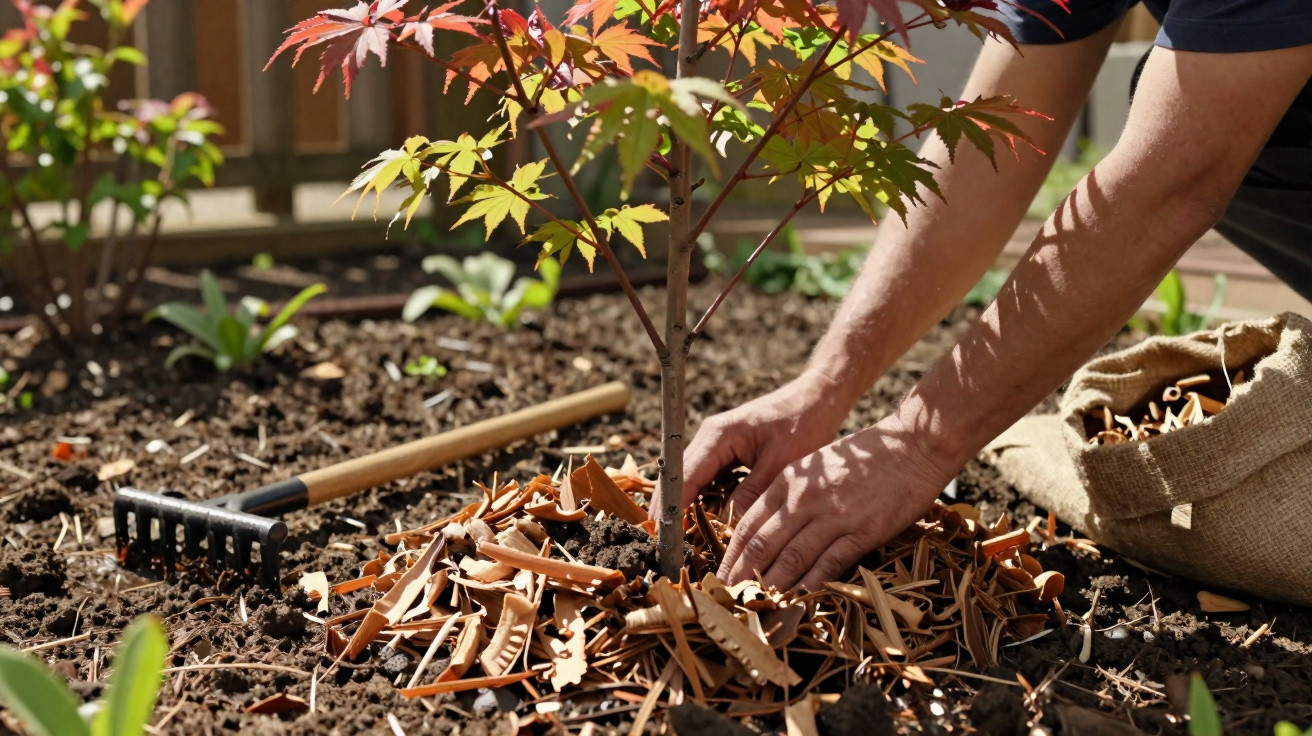
The best time to plant a new Pittosporum hedge is in spring or early autumn. At these times, the soil is sufficiently warm and moist, allowing plants to establish their roots well. In areas with severe frost, planting in spring is advisable.
- Plant spacing: around 60 to 80 centimetres, depending on the variety
- Soil: free-draining and not permanently waterlogged
- Feeding: apply a portion of organic fertiliser or compost in spring
- Pruning: once a year after the main growth period; light shaping cuts are sufficient
Anyone with an existing damaged Photinia hedge should remove diseased plants gradually and avoid leaving the foliage in the garden. Replacing it in stages is sensible: clear one section at a time, loosen the soil and plant the new shrub, ideally alongside other shrub species from the outset.
Risks and limitations of the new fashionable shrub
No shrub is entirely risk-free. Depending on the variety, Pittosporum has only limited tolerance for severe, prolonged frost. In colder areas, it is worthwhile selecting frost-hardy varieties and giving them the most sheltered position possible. During extreme winters, individual shoots may be killed back by frost, although they often regrow.
Drought stress is another consideration: during its first years after planting, Pittosporum should be watered regularly in extended hot weather. Well-established plants cope better later on, but the soil should still be checked occasionally to ensure that it does not dry out completely.
Why it is worth looking beyond the garden fence
The shift from Photinia to Pittosporum demonstrates how strongly trends and practical experience shape domestic gardens. Anyone who looks carefully around their neighbourhood can quickly see which hedges remain healthy over time and which plants are weakening in row after row.
For many house and flat owners, Pittosporum is currently an appealing element for restructuring their outdoor space: a calm, evergreen backdrop that combines privacy screening with garden design – and causes considerably less trouble than the former star among hedge shrubs.
Comments
No comments yet. Be the first to comment!
Leave a Comment