
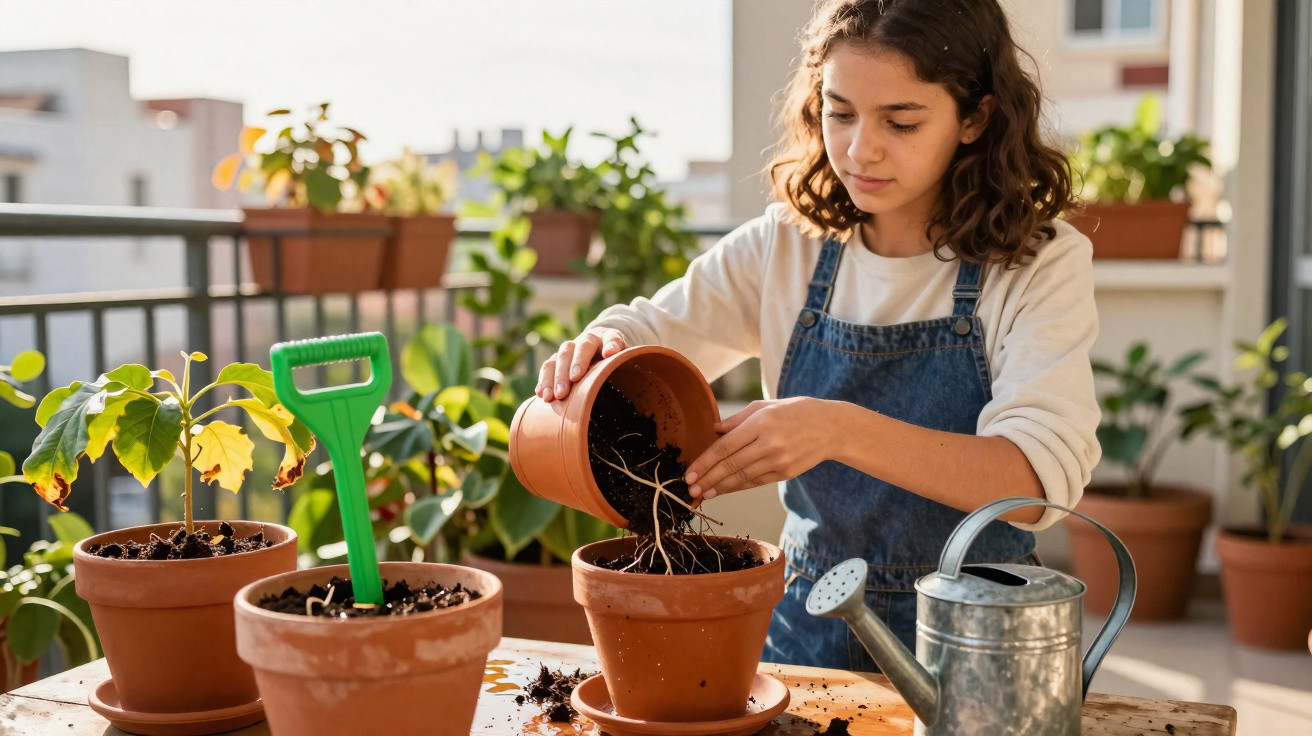
Looking after a home garden during spells of strong sunshine calls for close attention from residents. Intense heat often leads people to overuse the hose, which can seriously harm plant health.
How can you spot overwatered plants in hot weather?
As temperatures rise on the balcony, many growers assume that giving plants plenty of water will satisfy the needs of every species. Yet an excessive build-up of water in the growing medium prevents proper aeration and can quickly damage the root system.
Checking the soil every day is the most effective way to prevent serious mistakes when growing plants at home. Before watering again, carry out a touch test to establish whether moisture is still present in the inner zone.
How can having fewer pots make your garden look wonderful?
A new landscaping trend shows that concentrating on a small number of strategic combinations can create a striking, sophisticated look because… Read more
Why is using a watering wand effective?
Using a watering wand is an excellent way to make work in the garden more efficient. This tool delivers water gently, avoiding the harsh force of a conventional spray, which can wash away an essential nutrient.
With this practical accessory, gardeners can reach the base of hanging pots without extra difficulty. The accuracy of its directed flow prevents water wastage and shields foliage from sun scorch caused by droplets collecting on the leaf surface.
Below, watch the audiovisual content published by the Minhas Plantas YouTube channel, which explains the care needed to maintain healthily moist soil:
What are the main signs that pots are waterlogged?
Pots given more water than they can handle begin to show clear signs of water saturation. Small mushrooms unexpectedly emerging from the growing medium indicate that conditions have become overly damp, encouraging the growth of this fungal community.
Another noticeable sign is unusual worm activity, with them climbing the sides of containers in search of oxygen. In addition, wilted leaves with softened stems show that the roots are suffering from suffocation caused by severe excess water.
The Perfect Watering Guide
Tools and methods
Use these essential items to keep the soil at the right moisture level:
- A watering wand to control the water flow;
- Pots with drainage holes and an effective drainage system;
- A porous growing medium blended with sand or perlite.
How can you rescue pots that have received too much water?
To reverse harmful saturation, the first measure is to stop watering the affected area immediately. Taking the pot out of its decorative outer container helps stagnant water evaporate more quickly, speeding up the drying process.
Moving the affected plant to a properly ventilated place can support the recovery of suffocated roots. If the issue arises during prolonged rainy periods, mechanically altering the growing medium by adding sandy materials will protect the plant from imminent rot.
Below are the recommended steps for corrective care of affected plants in the garden:
- Remove severely damaged leaves;
- Allow the pot to drain completely;
- Replace compacted growing medium with an aerated mix.
What care prevents root rot in the garden?
Making sure every pot has holes in its base is the fundamental rule for keeping a home garden healthy. Using decorative outer pots solely as aesthetic features prevents the damaging accumulation of standing water in the lower area.
Adopting sensible techniques such as the finger test gives gardeners greater confidence when tending plants on hot days. Watering generously only when the soil is dry maintains the ideal balance, ensuring lasting vigour and consistent beauty for your plants.
Comments
No comments yet. Be the first to comment!
Leave a Comment