
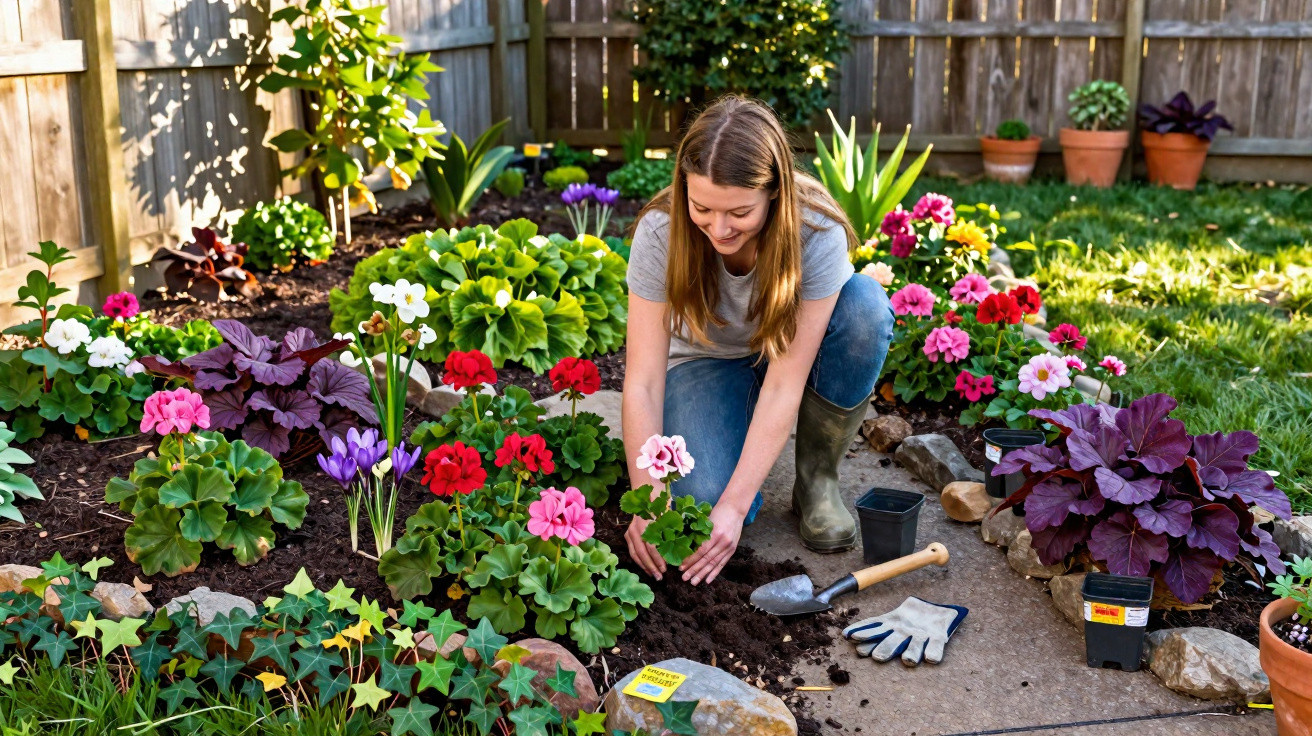
Yes, it can be done – provided you choose the right plants.
Many beginners impulsively plant everything that catches their eye at the garden centre, only to find that a few weeks later nothing but brown stems remain. The wrong position, forgotten watering cans and poor soil do not have to spell the end of every gardening ambition. By choosing a few exceptionally dependable, inexpensive species, you can create a bed that largely looks after itself while still flowering for many months.
Create a long-flowering bed with minimal effort
The key is to choose hardy perennial plants that return each year, spread naturally and forgive minor care mistakes. Rather than trying ten demanding varieties from the garden centre, a handful of proven performers is enough to get started.
A selection of just a few affordable perennials can keep a bed colourful for almost the entire year – without replanting every spring.
The effect of a so-called flowering relay is particularly appealing: different plants take over the blooming period one after another. As one variety finishes flowering, the next is already beginning. This means there are barely any gaps in the bed, even if you are not constantly planting new flowers.
The 6 most affordable plants for lazy and inexperienced gardeners
For a first bed that is low-maintenance and budget-friendly, six species stand out as particularly worthwhile choices:
- Hardy geranium (Geranium, perennial)
- Crocus
- Hellebore (Christmas rose/Lenten rose)
- Coral bells (Heuchera)
- Bugleweed
- Common ivy
All six are available as small pots or bulbs from DIY stores and garden centres, and usually cost considerably less than unusual rarities. Many can later be divided or propagated from offsets at no cost.
1. Hardy geranium: a flowering carpet from May into autumn
Perennial Geranium varieties are among the most reliable perennials available. They form bushy clumps, cover the soil and, depending on the variety, continue producing fresh flowers from May to October.
- suitable for sun to light partial shade
- tolerates the occasional dry spell
- suppresses weeds with its dense foliage
Cutting it back in summer after the first flush of flowers often encourages a second bloom. After a few years, dividing the clumps gives you free new plants for other beds or the front garden.
2. Crocuses: splashes of colour while everything else is still grey
Crocuses are among the first signs of colour in the year. From February onwards, they push through the cold soil and bring yellow, white or purple to a garden that is still bare.
They grow from small corms planted in autumn, making them ideal for beginners who want a surprise in spring. Once established, they return year after year, often in greater numbers as the corms divide over time.
3. Hellebores: winter flowers with frost-resistant strength
Christmas roses and Lenten roses, both hellebore types, bring life to a bed in the middle of winter. Depending on the variety, they flower from December to March – precisely when most gardens appear to be in hibernation.
They prefer partially shaded spots, such as beneath deciduous shrubs. Their special quality is that, even when frost remains above ground, they continue to hold their flowers open bravely. Once established, they stay in the same place for many years.
4. Coral bells: foliage colour instead of a floral spectacle
Heuchera varieties make their impact less through large blooms than through their foliage. Varieties are available in deep purple, lime green and almost copper-red. This provides colour throughout the year, even when no flowers are on display.
Coral bells are especially suited to partially shaded corners where other flowers quickly give up. A few years after planting, the clumps can be divided and distributed across several areas of the garden.
5. Bugleweed: ground cover that keeps weeds at bay
Bugleweed spreads across the ground through runners and fills bare areas in the bed. Its blue-purple flower spikes in spring attract bees, while its dense foliage stops unwanted weeds from getting a foothold.
To keep it under control, simply cut out excess runners with a hand trowel. These rooted pieces can be replanted elsewhere straight away – providing free plants as well.
6. Common ivy: a green solution for difficult positions
Common ivy is exceptionally tough: it copes with shade, dry corners and even troublesome spots beside walls or beneath old trees. Used as ground cover, it creates a permanently green appearance; as a climber, it can conceal unattractive walls.
A clear boundary prevents it from overrunning everything: in most cases, cutting it back with shears once a year is sufficient. Cut-off runners that have already rooted can easily be replanted.
How these plants create a year-round bed
The real strength of this combination is its sequence through the seasons:
| Plant | Main flowering period | Particular strength |
|---|---|---|
| Hellebore | December–March | Flowers in deep winter, frost-hardy |
| Crocus | February–March | Early splash of colour, inexpensive bulbs |
| Geranium (perennial) | May–October | Long flowering period, dense carpet |
| Coral bells | May–July (depending on variety) | Decorative foliage, colourful leaves |
| Bugleweed | April–June | Ground cover, beneficial for insects |
| Ivy | inconspicuous, sometimes autumn | Evergreen, suitable for shady positions |
This creates a chain of seasonal highlights: hellebores in winter, followed immediately by crocuses, then bugleweed and coral bells, and from May onwards hardy geraniums, accompanied by evergreen ivy.
Anyone who combines these six species skilfully will see fresh accents of colour from winter through to autumn – using only a minimal number of plants.
More garden for less money: how to save when buying plants
To stop the budget getting out of hand, it is worth planning how you shop:
- Small pots instead of large containers: Young plants in 9 cm pots are significantly cheaper and soon catch up with larger specimens.
- Choose perennials: Buy once and enjoy them for years, especially with geraniums, Heuchera, hellebores and ivy.
- Bulbs in net bags: Crocuses are often sold in autumn as mixed packs at reduced prices.
- Divide rather than buy again: Dig up older perennials after 3–4 years, divide them and replant them.
Dividing is particularly worthwhile with geraniums and coral bells. In time, one plant can become five or more – without another trip to the garden centre.
Protecting your budget bed from cats and birds
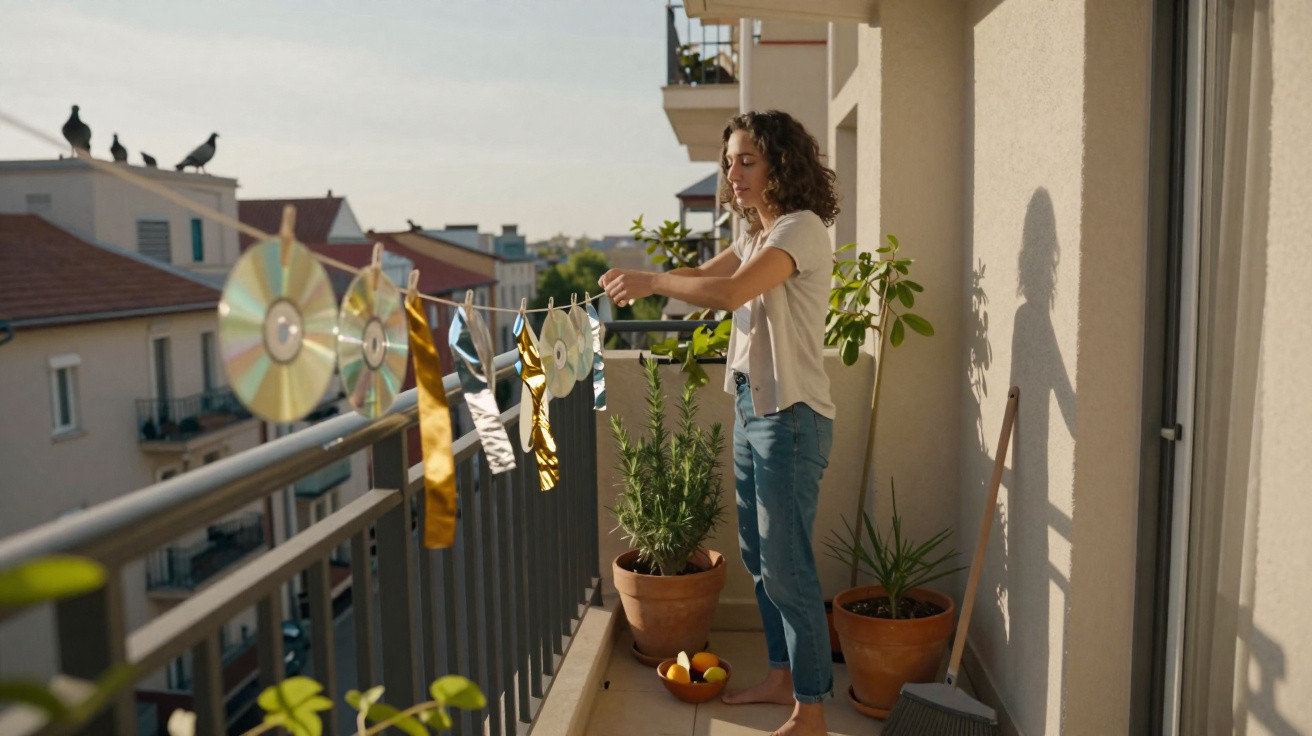
Few things are more frustrating than cats digging in a newly planted bed or blackbirds pulling young plants from the soil. Taking a few precautions can save you from having to buy replacements later.
Garden experts recommend, among other measures, a simple kitchen cupboard trick: scatter a little cayenne pepper around vulnerable areas. Its pungent smell keeps many animals at a distance without harming the plants. The effect relies on deterrence rather than poison – a purely mechanical, natural method.
Other straightforward measures include:
- placing small twigs around newly planted perennials
- loosely covering bulb plantings with mesh until shoots emerge
- avoiding bare, freshly dug soil and applying mulch straight away
Practical advice for beginners with little time
If you genuinely spend very little time outdoors, the bed should be planned accordingly from the beginning. A few simple rules make all the difference:
- Fewer species, more plants of each: It is better to plant several of each of the six recommended plants than ten different single specimens.
- Allow generous spacing: Ground covers such as bugleweed and ivy will fill in; gaps are normal at first.
- Water only while plants establish: Water regularly during the first few weeks, then mainly during heatwaves.
- Tidy up once a year: Cut back old growth in spring, and the job is done.
The term “perennial” often confuses beginners: it describes plants that do not disappear after a single season but grow again over several years. Almost all the species listed here are exactly this type of long-term resident – a clear advantage over short-lived seasonal flowers.
Anyone who later wants to do more can easily build on this resilient foundation: add a few ornamental grasses, plant some tulip bulbs among the crocuses, perhaps include lavender in sunny corners, and gradually create an individual garden that impresses even with a modest budget and limited free time.




Comments
No comments yet. Be the first to comment!
Leave a Comment