
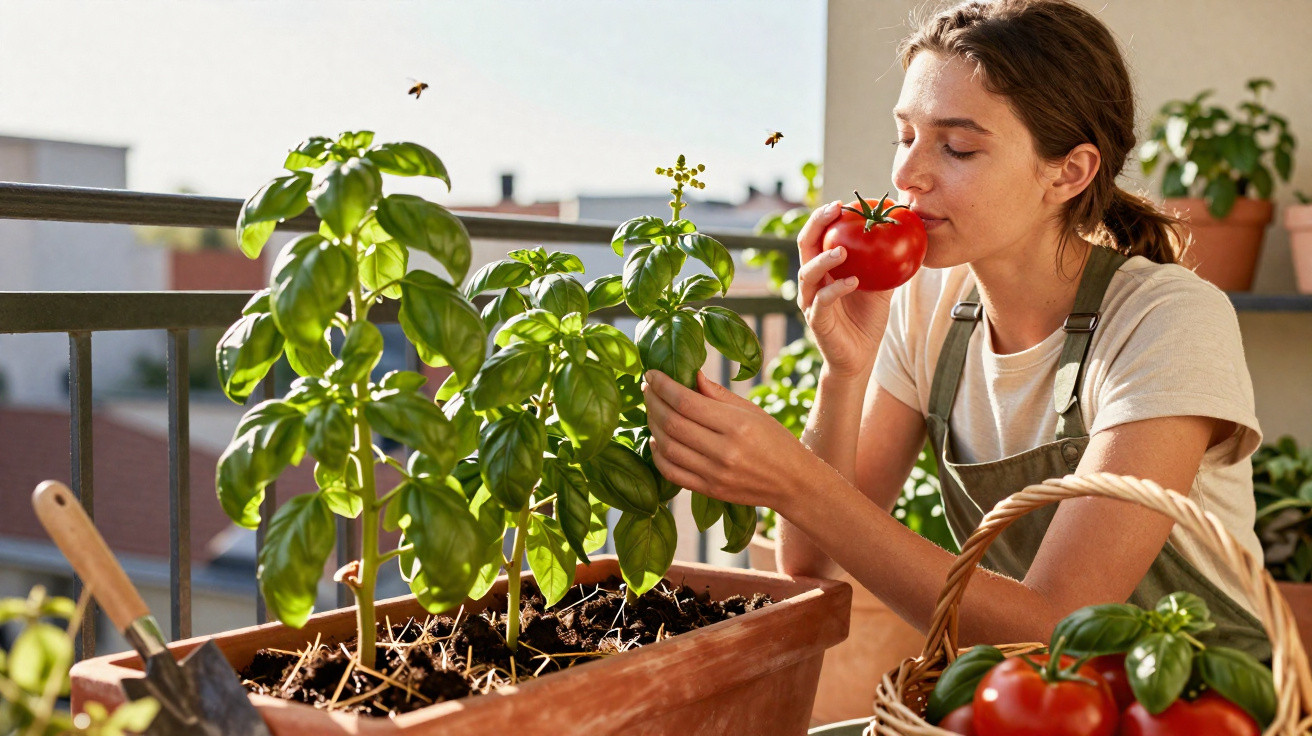
Watered, fertilised, side shoots removed and tied in – the full routine. Yet the flavour often still falls short of expectations. What is needed is not a specialist fertiliser or expensive varieties, but an everyday culinary herb that almost everyone knows and that can noticeably improve tomatoes in beds and containers alike.
Why tomatoes can taste bland despite good care
Tomatoes are highly sensitive to stress. Heat, dry spells, pest pressure and disease can all hold back the plant. Although its fruit may still ripen, it develops fewer sugars and flavour compounds. The tomatoes look attractively red but taste watery.
In response, many people add more fertiliser or water even more frequently. Neither measure has more than a limited effect. The conditions around the plants matter far more: how alive is the soil, how many beneficial insects are present, and how severe are pest and fungal disease problems?
“Anyone who grows tomatoes not in isolation but within a small, well-planned mini ecosystem has a much better chance of achieving intense flavours.”
This is where an herb that plays a starring role in every Italian kitchen becomes the ideal garden companion.
The perfect pairing: tomatoes and basil growing side by side
Whether in a garden bed or on a balcony, tomatoes and basil make an almost perfect partnership. Many gardeners have relied on it for years, reporting that their tomatoes have since tasted fuller, sweeter and more distinctly tomato-like.
This result is not magic; it comes from several specific benefits that basil provides to its neighbouring plant.
A fragrant shield against troublesome pests
Basil releases essential oils that appeal to more than just people. Some pests are sensitive to this scent and avoid rows of plants where the herb is growing.
- Whiteflies find the tomatoes less easily.
- Aphids are more likely to be deterred.
- Stressed tomato plants can recover more readily.
Less feeding damage means plants do not have to constantly “repair” themselves and can instead channel their energy into flowers, fruit and, above all, flavour. Tomatoes that ripen more slowly and without continuous stress develop more sugar and more complex flavour compounds.
A more stable microclimate at soil level
Basil grows fairly densely and provides light shade over the soil. As a result, the soil dries out less quickly, retains moisture more consistently and is less likely to overheat on particularly hot days.
This brings several benefits:
- a more even water supply and fewer interruptions to growth
- gentler differences in soil temperature between day and night
- more active soil life, including earthworms and microorganisms
Tomatoes often respond to such stable conditions with noticeably better fruit quality. Many gardeners report sweeter, less “acidic” tomatoes when basil is planted directly alongside them.
“Basil acts as a natural buffer: it offsets minor watering mistakes and temperature fluctuations to a certain extent.”
A larger harvest, not merely better flavour
There is another welcome benefit: in many cases, gardeners who plant basil with tomatoes harvest not only more flavoursome fruit, but simply more tomatoes.
A flower magnet for bees and other beneficial insects
If some of the basil is allowed to flower, it produces hundreds of tiny white or purple blooms. These are a valuable food source for bees, bumblebees and hoverflies.
These insects also visit the tomato flowers. Tomatoes are primarily self-pollinating, but they benefit from any movement around their blooms. The more insects are active, the more reliably the plants are pollinated and the greater the fruit set.
Less fungal pressure and less spraying
Basil’s essential oils may also influence the environment around the plants. Many gardeners report significantly fewer problems with common tomato diseases, such as tomato blight, when aromatic herbs grow beside their tomatoes.
This reduces the need for sprays. Those who avoid chemical products do not later have to wonder whether residues could affect the flavour of the harvest.
How to plant basil with tomatoes correctly
Anyone wishing to try this pairing does not need to create a professional garden. A few simple guidelines are enough to gain the benefits, whether in a raised bed or a container on an urban balcony.
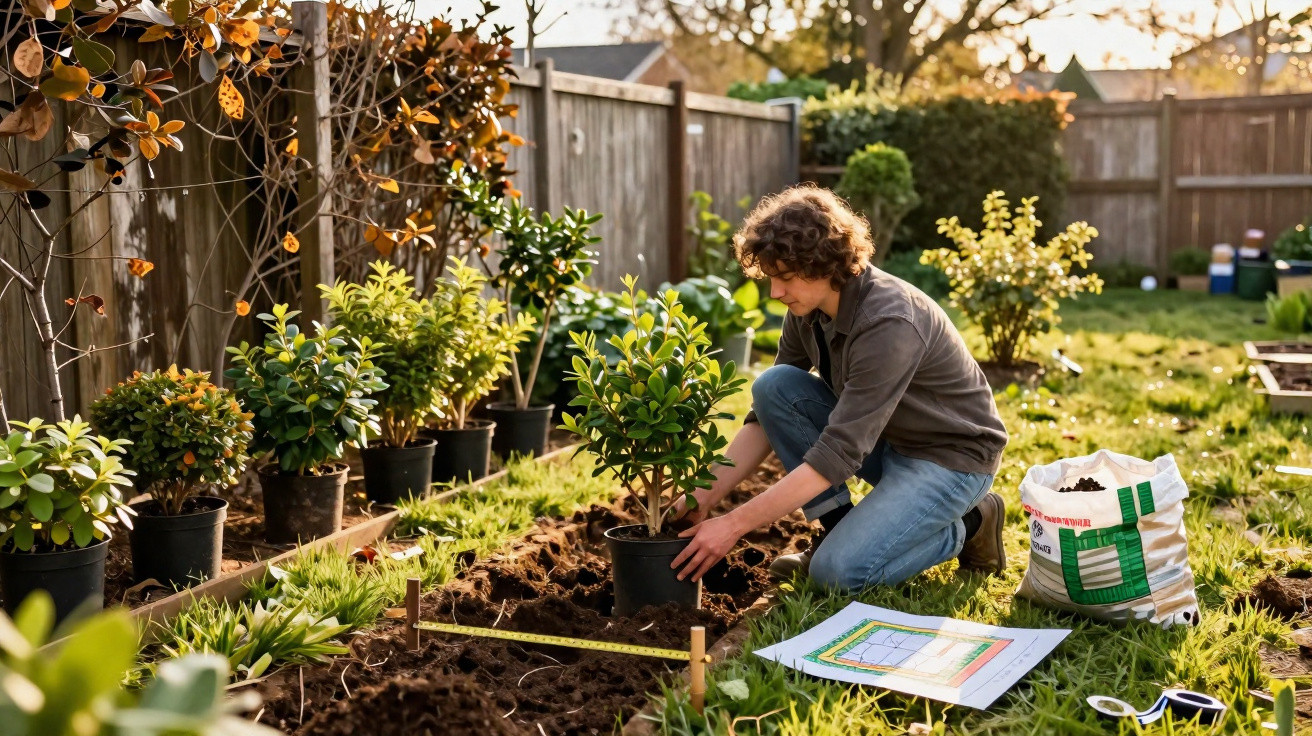
Spacing and planting layout in a garden bed
Tomatoes prefer airy conditions, while basil thrives in warmth and sunshine. These requirements work well together.
| Element | Recommendation |
|---|---|
| Tomato-to-tomato spacing | approx. 50–60 cm |
| Basil spacing within tomato rows | one plant every 30–40 cm |
| Position | very sunny, sheltered from wind, with no risk of waterlogging |
| Planting time | after the last frosts, usually from May to early June |
In practice, the arrangement works like this:
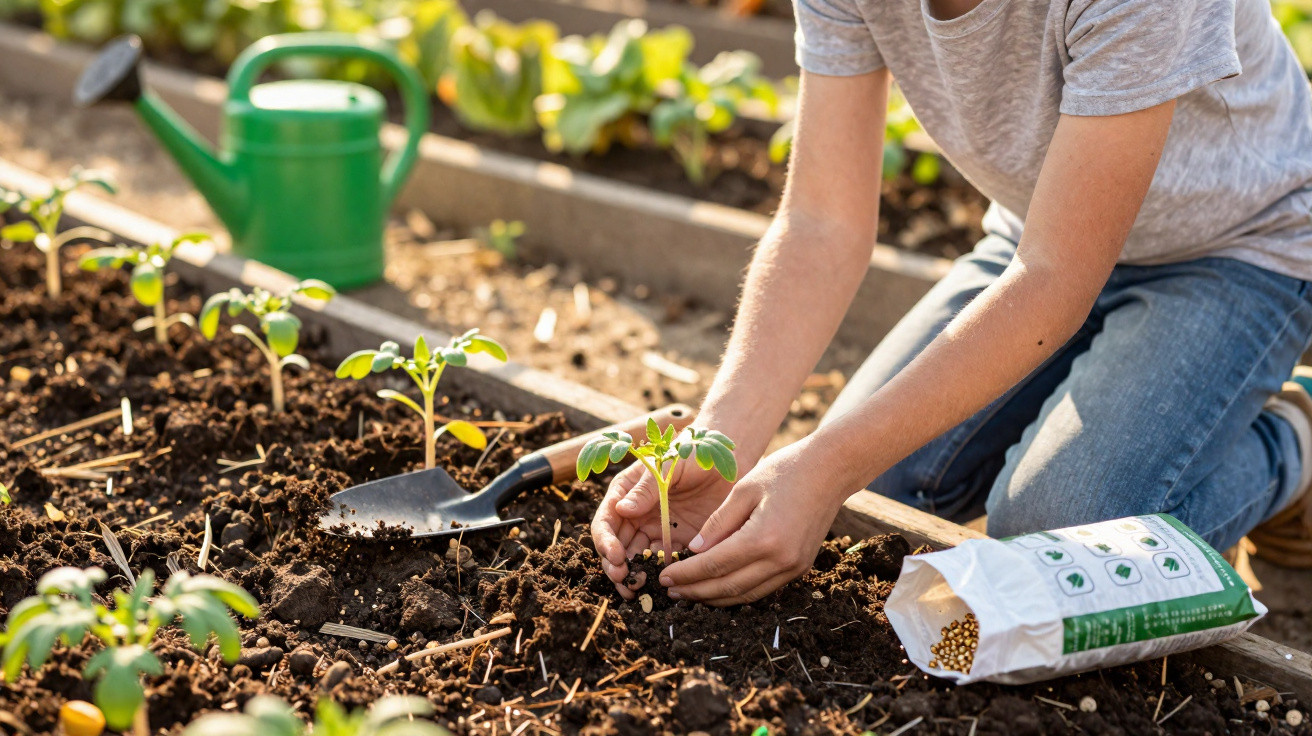
- plant a tomato first
- place a basil plant a short distance further along
- add another tomato, and continue this pattern along the row
This creates a kind of living mixed hedge: the tomatoes grow upwards while the basil covers and protects the soil.
Tomatoes and basil in a balcony container
The combination also works in limited space. A container holding 40 to 60 litres is sufficient for one tomato plant and one strong basil plant.
The important points are:
- use high-quality vegetable or tomato compost
- keep drainage holes clear to prevent waterlogging
- water regularly, but do not “flood” the container
- mulch the surface, for example with grass clippings or chopped straw
Regularly pinching out the growing tips of the basil encourages compact, bushy growth, while also providing a steady supply of fresh leaves for salads, pasta or bruschetta.
“Perhaps the nicest moment is picking a few basil leaves beside a tomato still warm from the sun and taking them straight into the kitchen.”
How much does basil really improve tomato flavour?
The impact on flavour is difficult to measure in figures, as taste remains subjective. However, many gardeners describe tomatoes as noticeably fuller and more balanced, with less of a watery character.
Several factors are likely to work together:
- less stress caused by pests
- a more consistent water supply
- healthier plants, allowing fruit to ripen for longer on the vine
- stronger sunshine exposure because vigorous plants carry more foliage
Anyone wanting to test this for themselves can grow two tomato plants in the same compost next year: one with basil in the pot and one without. Simple “garden experiments” like this often reveal noticeable differences in the very first summer.
Even stronger results with a third companion
Some gardeners add another plant to the tomato-and-basil pairing: borage. This robust herb, with its blue star-shaped flowers, attracts additional pollinators and sends roots deep into the soil.
It loosens heavy ground, brings nutrients from deeper layers towards the surface and creates space for fine tomato roots. Together, these plants form a lively growing system that functions without sophisticated equipment or costly aids.
Those who enjoy experimenting can try different basil varieties, including green-leaved, purple and small-leaved types. For tomatoes, the variety is of secondary importance, provided the plants grow vigorously and have an intense scent. On the plate, however, it adds particular enjoyment: red and yellow tomatoes alongside green and deep-purple basil leaves create a summer highlight both visually and in flavour.
Comments
No comments yet. Be the first to comment!
Leave a Comment