
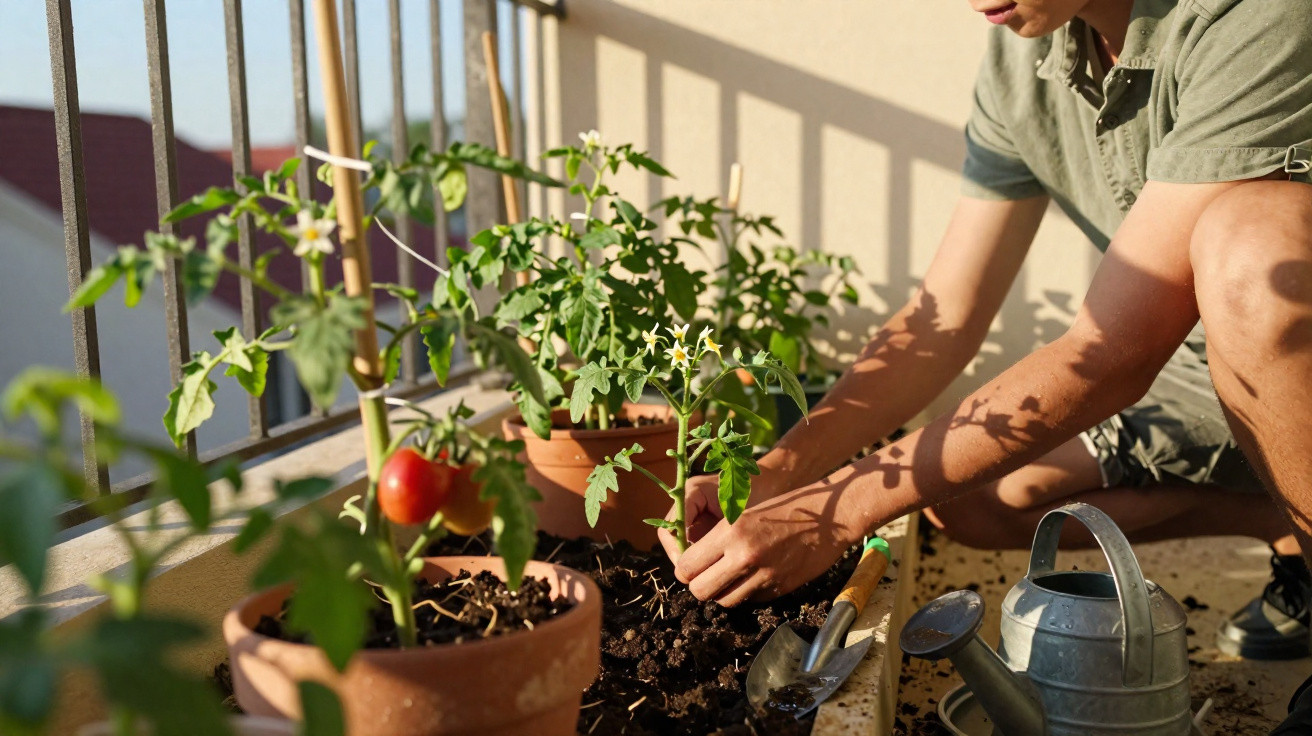
If you want to harvest your own flavoursome tomatoes in summer, you need to start earlier than many people realise – not at the supermarket, but when choosing the planting spot. Sunlight, soil, wind and temperature determine whether the plants thrive or begin struggling as early as June. A few straightforward rules can dramatically increase the size of the harvest.
When tomatoes can go outdoors
Tomatoes love warmth and dislike cold. This combination makes timing the planting slightly tricky. Young plants cannot tolerate chilly nights, frost can be fatal, and they barely grow when the soil is too cold.
- Night-time temperatures consistently above 8–10 °C
- Soil temperature of at least 12–15 °C
- No prolonged rain or stormy conditions immediately after planting
In many areas, this window falls between mid-May and early June. Sheltered, lower-lying locations can be suitable a little earlier, while higher ground and cooler areas tend to require a later start. If you are unsure, monitor the night-time temperatures for several days. A simple soil-thermometer method is to push the thermometer 10 centimetres into the ground and check it in the morning – only plant once the reading is high enough.
“Warm soil is almost more important to tomatoes than warm air. In cold ground, they stop growing for days.”
The best place in the garden: sun, warmth and air
Tomatoes are devoted sun-lovers. Without sufficient light, the plants remain weak, flower sparsely and produce significantly fewer fruits.
How much sun tomatoes really need
A minimum of six to eight hours of direct sunlight daily is ideal. Brief periods of shade from trees or buildings are fine, but permanent partial shade results in poor yields.
Particularly suitable locations include:
- a spot in front of a south- or south-west-facing wall
- gardens where tall hedges do not block the midday sun
- places that dry quickly in the morning
Walls absorb warmth during the day and release it again overnight. This creates a slightly milder microclimate that tomatoes enjoy. However, the area should not function as a wind tunnel – draughts stress the plants and dry them out unnecessarily.
What the soil for tomatoes should be like
Tomatoes develop deep roots and require loose, well-aerated soil. Compact, heavy ground slows their development, allows water to collect more easily and makes root rot more likely.
The ideal soil is:
- loose and crumbly to a depth of around 40 centimetres
- rich in humus and nutrients
- good at retaining water without becoming waterlogged
Before planting, it is worth working the soil thoroughly with compost. A layer of organic mulch – such as shredded twigs, straw or grass clippings – retains moisture and prevents the ground from overheating.
Spacing and good companions
Planting tomatoes too closely may save space, but it also increases the risk of disease and stunted growth. Leaving a little room for air to circulate between plants acts as natural protection against fungal infections.
Recommended spacing is:
- 45–60 centimetres between individual plants
- 70–80 centimetres between rows
Herbs such as basil and parsley are considered good companions. They fill unused gaps, cover the soil and add extra flavour to the garden. At the same time, they leave the tomato plants enough room for their roots.
Balcony and patio: creating a compact tomato garden
Even without a garden, you do not have to go without home-grown tomatoes. A sunny balcony can deliver surprisingly good yields if you follow a few basic principles.
Balcony position: direction matters
A south-facing balcony is the most rewarding option, as it can easily provide six to eight hours of sunshine. The plants will feel almost as though they are in a border, just in a pot. West- and east-facing positions receive less light, but can still work well with smaller varieties such as cocktail or cherry tomatoes.
A north-facing position remains difficult. Light levels there are generally too low, plants become leggy and flowering is weak. Anyone wishing to try it should begin with small, robust varieties and should not expect too much.
The right containers and the best way to prevent heat stress
Potted tomatoes need sufficient space for their roots. Containers that are too small dry out extremely fast in sunshine, leaving plants under continual stress.
- At least 30 centimetres of depth for each pot
- Drainage holes so excess water can escape
- High-quality, humus-rich compost rather than cheap multi-purpose compost
A mulch layer works wonders on a balcony too. It reduces evaporation, protects soil life and keeps the surface moist for longer. During heatwaves, it can help to move pots slightly away from the wall so that the plants do not “grill” in trapped heat.
“Tomatoes in containers dry out faster than those in the ground – water less often but thoroughly, rather than constantly just ‘dampening’ the soil.”
Wind protection also matters: a partially open privacy screen or a balcony balustrade planted with greenery can soften gusts without completely blocking airflow. Still air and leaves that remain wet for long periods encourage fungal diseases.
How to plant tomatoes correctly in the ground
Once the position is chosen and temperatures are suitable, it is time to plant. A few simple steps at this stage can set the course for a long harvesting season.
- Dig a planting hole twice the size of the root ball.
- Mix in a little compost or mature organic fertiliser.
- Plant the tomato deeper, burying the stem up to just below the first leaves.
- Immediately push a sturdy cane or spiral support into the ground.
- Water in thoroughly so that the soil settles closely around the roots.
- Apply mulch once the soil has dried slightly.
Burying more of the stem is not a mistake; it is beneficial. Tomatoes form extra roots on the buried sections, giving them a stronger and more stable footing in the soil.
Common location mistakes that cost you tomatoes
Many problems during the tomato-growing season can be traced directly to a poor choice of location. Several classic traps recur time and again:
- Placing tomatoes close to a water butt or beneath gutters, where water constantly drips onto the leaves.
- Fully enclosed polythene covers with no ventilation, which trap moisture and create ideal conditions for fungi.
- Overly shady corners where plants barely dry out.
- Windy positions where leaves constantly flap around and break off.
Blight is especially feared: this fungus takes advantage of damp conditions. Choosing a site where rainwater drains away quickly and foliage dries rapidly after a shower noticeably lowers the risk.
Why garden microclimate matters so much for tomatoes
Conditions can vary considerably within a single garden. It may be calmer behind the garage, warmer beside the house wall and damper near the pond. Anyone who understands these differences can place tomatoes deliberately in their preferred area.
A simple test is to walk around the garden on a cool spring morning and feel the air and soil by hand in different spots. Places that feel noticeably milder and where the ground is less clammy are usually very well suited to warmth-loving crops.
Practical additions for a longer tomato season
Using an overhanging roof, a simple tomato canopy or a small shelter that is open at the sides can extend the tomato season considerably at both ends. Plants are protected from persistent rain, still receive enough air and cool down less at night.
Combining tomatoes with other crops is also useful: lettuces or radishes can grow in the same bed early in the year. Once they have been harvested, the tomatoes take over. This prevents bare soil in spring, while the space works towards the harvest throughout the year.
Ultimately, it is the combination of many small details that makes the difference: the right timing, the warmest corner, a hand’s width of air between plants and sensible wind protection. Anyone who takes the time once to find the ideal spot in the garden or on the balcony will benefit year after year from fuller bowls and more intense flavour.
Comments
No comments yet. Be the first to comment!
Leave a Comment