
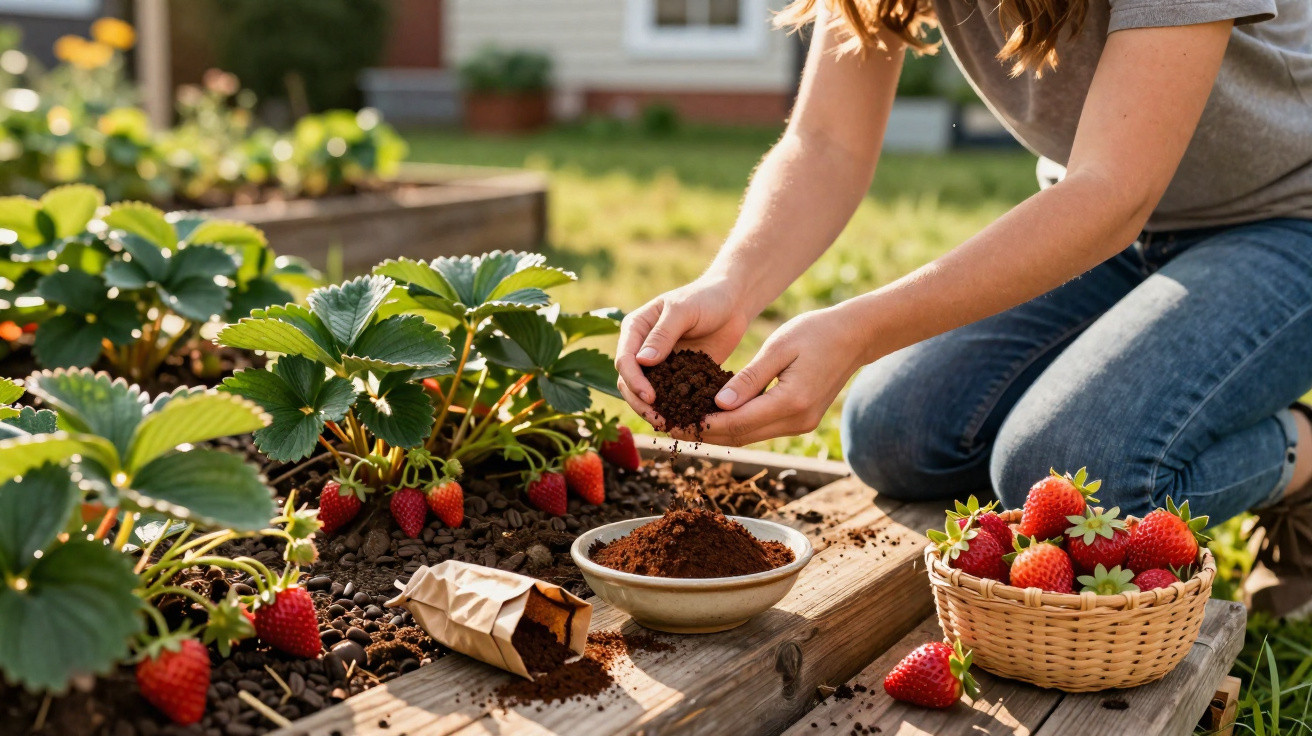
An overlooked kitchen leftover could make all the difference.
Between March and May, it is decided whether strawberries will produce tiny, disappointing fruit in summer or large, juicy specimens. At this point, the plants primarily need energy to form fresh foliage. This is where an everyday by-product, usually thrown away, comes in: it is surprisingly effective as a liquid fertiliser.
Why strawberries often fail to reach their potential in spring
Strawberry plants are heavy feeders. They require plenty of nutrients, yet dislike dense, waterlogged soil and are sensitive to major fluctuations in pH. Left entirely to their own devices, they will flower, but often yield only a small number of fruits or undersized berries.
During spring, the priority for the plants is building leaf mass. Strong foliage later supplies the berries with sugar and flavour compounds. If the leaves remain weak and sparse, the plant lacks energy reserves, leaving strawberries small, dry or unevenly ripened.
Strong leaves in spring are the foundation for large, juicy strawberries in summer.
This is precisely why a targeted nitrogen boost is worthwhile as soon as the plants begin growing again. Many gardeners turn to specialist fertiliser from the garden centre, but this is not necessarily required.
The overlooked helper: what coffee grounds do for strawberries
Dried coffee grounds offer several qualities that suit strawberries particularly well. They contain around two per cent nitrogen, along with smaller quantities of phosphorus and potassium. Their pH is slightly acidic, at roughly 6.2, which is ideal for strawberries that thrive best in soil with a pH between 5.5 and 6.5.
Coffee grounds therefore provide several important benefits:
- Nitrogen supports the growth of young leaves and runners.
- Their mildly acidic nature suits strawberries, which do not tolerate highly calcareous soils well.
- Organic matter nourishes soil life, earthworms and micro-organisms.
- A long-term effect means nutrients are released gradually.
Simply tipping coffee grounds onto the soil in a thick layer can lead to crusting, mould and excessive acidity at the surface. A gentler approach is to make a kind of “coffee grounds tea” and use it to water the strawberries.
How to make a gentle coffee grounds infusion for strawberries
Only completely dry coffee grounds are suitable for use in the garden. Damp grounds from a coffee machine should first be dried thoroughly in the air on a plate or baking tray, preventing them from rotting or becoming mouldy.
Step-by-step guide
- Dry the coffee grounds: Spread used grounds from a filter, French press or espresso machine basket over a plate and leave them to dry for one day.
- Mix the infusion: Add around 40–50 grams of dry coffee grounds to 1 litre of water in a bucket or watering can. For 5 litres of water, use approximately 200 grams.
- Leave to infuse: Allow the mixture to stand for 24 to 48 hours, stirring it occasionally so that nutrients can dissolve.
- Strain the liquid: Filter it through a fine sieve or an old cloth to stop the watering can from becoming blocked.
- Water selectively: Apply the liquid only to the soil around the plants, never over the foliage. Around 250 millilitres per plant is sufficient.
A mild coffee grounds infusion brings nutrients into the soil without putting the sensitive roots of strawberries under stress.
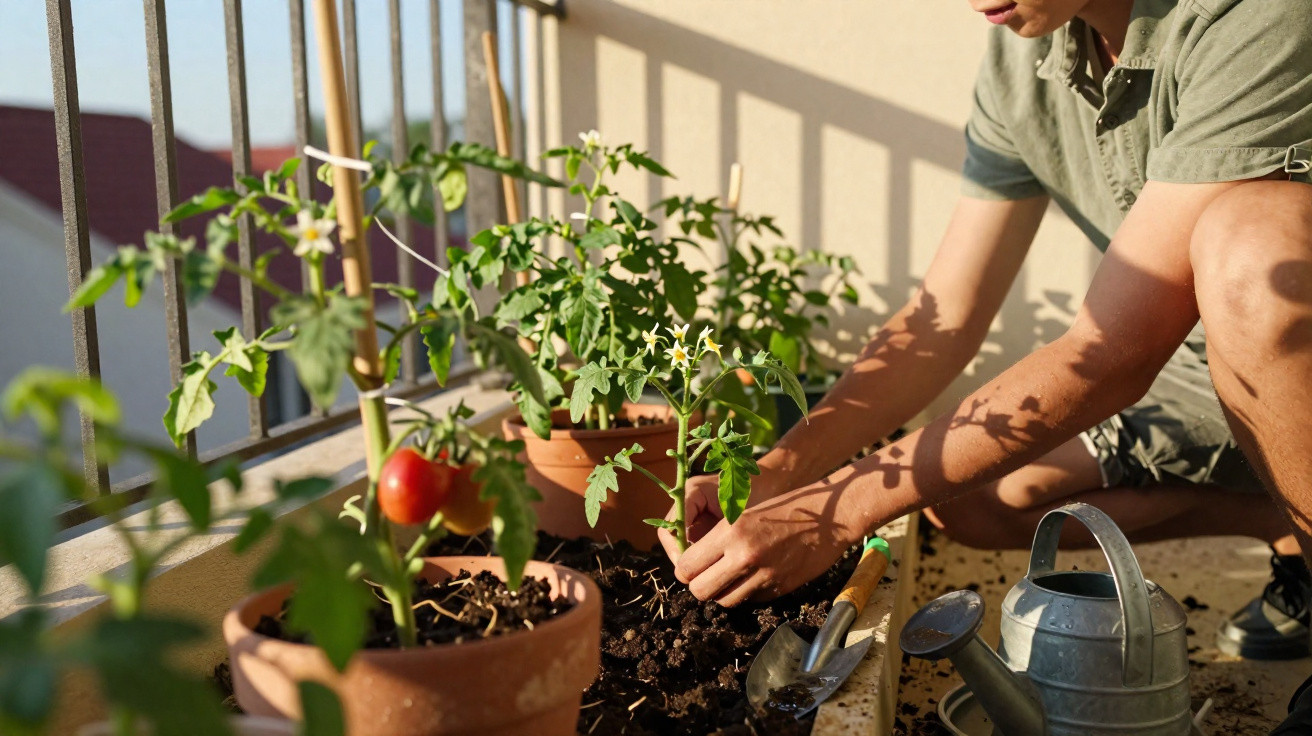
For plants grown in a bed or raised bed, the infusion can be included as part of an ordinary watering routine. For strawberries on a balcony in window boxes or containers, use a lighter dose, as growing media in these settings can become too acidic more quickly.
When and how often should you water strawberries with coffee grounds?
The best time is during early growth. As soon as new, light-green leaves emerge in March or April, strawberries can receive their first boost. In colder areas, northern locations or mountainous regions, this often moves to late April or early May.
For most locations, the following schedule is enough:
- First application: at the beginning of fresh growth in spring
- Second application: around three weeks later
A healthy strawberry patch generally needs no more than one or two applications in a season. Gardeners working with very sandy, nutrient-poor soil can try a third round, but should watch closely to see how the plants respond.
Too much of a good thing: the risks of over-fertilising strawberries
Although coffee grounds are natural, excessive quantities can still cause problems. Strawberries react poorly if they receive too much nitrogen at once. They may then produce abundant, dark-green foliage while flowers and fruit suffer.
Possible negative effects include:
- vigorous leaf growth but few flowers
- softer plants that are more susceptible to disease
- excessive acidification of the soil
- a risk of root scorch at extremely high concentrations
Anyone already dealing with acidic or very heavy soil should use the infusion only once in spring and also work with mature compost. Compost supplies more phosphorus and potassium, both of which remain essential for flowering and fruit set.
Coffee grounds as a natural shield against pests
Alongside their fertilising effect, coffee grounds have another practical advantage: their smell can deter many unwanted visitors. Some insects and small mammals avoid the aromatic scent and bitter substances.
Frequently mentioned examples include:
- slugs
- ants
- mosquitoes
- wasps
- rats and mice
A thin, loose layer of dry coffee grounds around the bed can act as a barrier. Avoid making this layer too thick, so that no hard crust forms and the soil remains properly aerated.
Coffee grounds can strengthen strawberries while also acting as a light scent-based shield against certain pests.
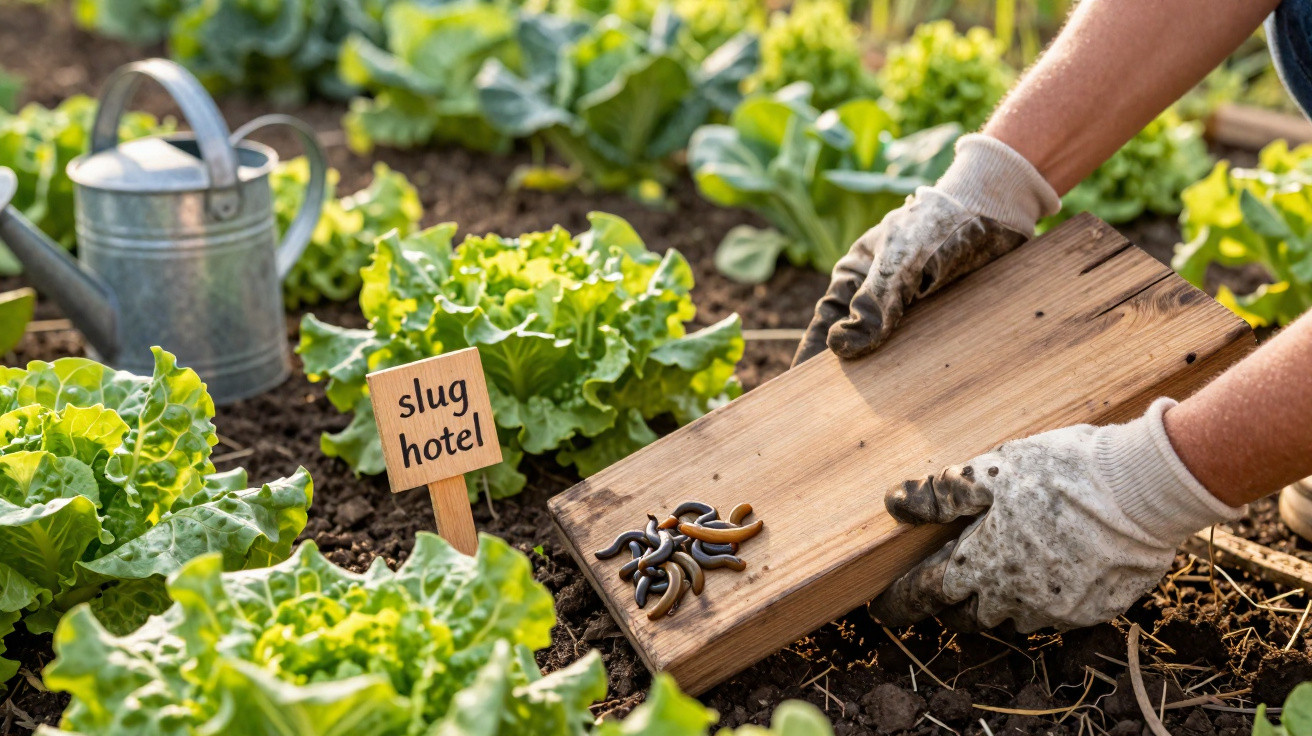
Even so, coffee grounds are no replacement for sensible slug protection or careful monitoring. They are one component among several, rather than a complete solution on their own.
Take care around pets and in family gardens
Coffee grounds can be problematic for dogs and cats. The caffeine they contain may be toxic if animals consume larger amounts. Anyone with four-legged pets in the garden should therefore avoid leaving piles or open heaps of coffee grounds around.
It is better to add the grounds to the watering can each time or work them carefully into the soil. In households with children, it is likewise advisable to use only diluted coffee grounds infusion and store dry grounds away from curious hands.
How coffee grounds can be combined sensibly with other measures
Strawberries respond well when several measures work together. Coffee grounds are only one part of the overall approach. To get the most from a strawberry bed, also pay attention to:
- A mulch layer made from straw or wood wool, keeping the fruit clean and dry.
- Mature compost in late autumn or very early spring to replenish nutrient reserves.
- Regular watering without waterlogging, particularly while flowering and fruiting.
- Thinning out old plants after three to four years, as yields naturally decline after this point.
Those who drink plenty of coffee can collect the grounds in portions, dry them and use them as a liquid booster throughout spring. Just a few spoonfuls per mixture are enough for small balcony boxes.
Practical examples from everyday hobby gardening
A simple ritual has become established in many allotment gardens: as soon as the first warm days arrive in March, gardeners prepare a small batch of watering cans filled with coffee grounds infusion. One can is reserved for strawberries, while the rest is used on other nitrogen-hungry plants such as lettuce or herbs.
Those trying it for the first time can begin by treating a few test plants and observing the difference: stronger leaves, richer green growth and better fruit set. The effect is particularly noticeable in balcony boxes, where the growing medium is limited and additional nutrients have a direct impact.
For the trial to work, attention to detail is worthwhile: always apply it lightly, leave at least three weeks between treatments, and before the second application check whether the plants genuinely need another boost or are already producing very lush foliage. This preserves the balance between growth and yield, increasing the likelihood that large, aromatic strawberries will truly end up in the basket in summer.



Comments
No comments yet. Be the first to comment!
Leave a Comment