
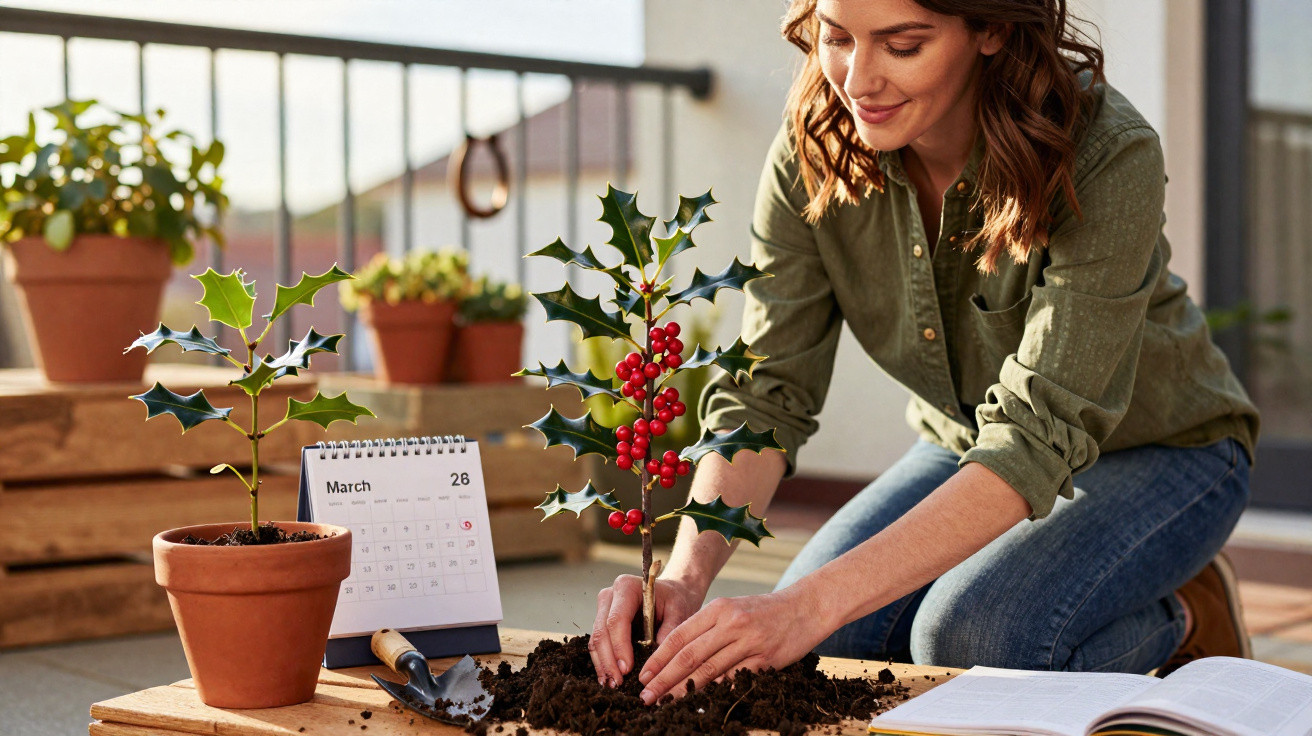
When the beds are still bare and the balcony looks grey, many people look for one simple sign: the season is starting again. This is where a plant comes in that was once believed to ward off misfortune and is now seen as a symbol of resilience, fresh starts and a little extra luck – the evergreen holly shrub, with its glossy leaves and red berries.
Why holly is regarded as a lucky plant
Holly, botanically known as Ilex, has featured in customs and myths for centuries. Its dark-green, leathery foliage stays on the shrub throughout the year, even when everything around it is bare. Its striking red berries shine through the depths of winter, almost like a colourful response to grey days.
“The combination of winter greenery, red berries and resilience has made holly a symbol of protection, endurance and a positive new beginning.”
Many cultures attributed protective properties to holly. It was planted near homes to keep harmful influences at bay, while its branches were used to decorate doors and windows. This is viewed less mystically today, yet the plant still gives many people a sense of security, permanence and new beginnings.
Holly also offers several practical benefits:
- It withstands frost considerably better than many ornamental shrubs.
- Semi-shaded and shaded positions pose no problem.
- Compact varieties are available for pots, while larger shrubs suit gardens.
- The berries provide birds with an important source of food during winter.
With more than 400 varieties to choose from, there is nearly always a suitable option – from small, rounded forms for balconies to imposing specimen shrubs for front gardens.
Why planting holly by early March matters so much
Gardeners particularly favour planting holly towards the end of winter, as this period creates ideal conditions. The ground is generally moist, the sun is not yet relentlessly strong, and the plant can establish quietly before summer brings stress.
“Those who plant by early March benefit from the final winter rains and give the roots enough time to anchor themselves deep in the soil.”
This improves the likelihood of the plant coping well in its first year and producing abundant berries later on. For many people, putting a holly shrub in the ground at this time is almost a small ritual: a visible signal that the new gardening year has begun.
The psychological effect can be surprisingly powerful. A fresh shrub that already appears green and alive in late February immediately changes the atmosphere on a terrace, balcony or beside the front door. Where there was previously only mud and emptiness, there is suddenly a clear message: something new is beginning here.
How to plant holly successfully, step by step
Holly is not especially demanding, but it responds well when a few essentials are considered at planting time. Anyone hoping for berries should also be aware of one important point.
Choosing the right planting stock
Most hollies are dioecious, meaning that plants are either male or female. Only female plants produce berries, and they need a male pollinator nearby to do so.
- For plenty of berries: choose a female variety and place a male plant nearby.
- Rule of thumb: one male specimen is usually sufficient for 3 to 5 female shrubs.
- For a container on the balcony, a pair consisting of a compact male and female variety is often enough.
Garden centres usually label male and female plants clearly. It is worth asking, so that you do not face a “berry disappointment” later.
Preparing spacing, the planting hole and soil
In a border, hollies need adequate room because they gradually grow wider over time.
- Garden spacing: 1.5 to 2 metres between normally growing plants, or 1 to 1.2 metres for dwarf varieties.
- Planting hole: around 40 cm wide and 40 cm deep for each shrub.
- Soil improvement: mix the excavated soil with roughly 5 litres of mature compost and about 2 litres of coarse sand or fine gravel.
The added sand helps excess water drain away, preventing the roots from sitting in waterlogged soil. Compost supplies nutrients for an effective start while also improving the soil structure.
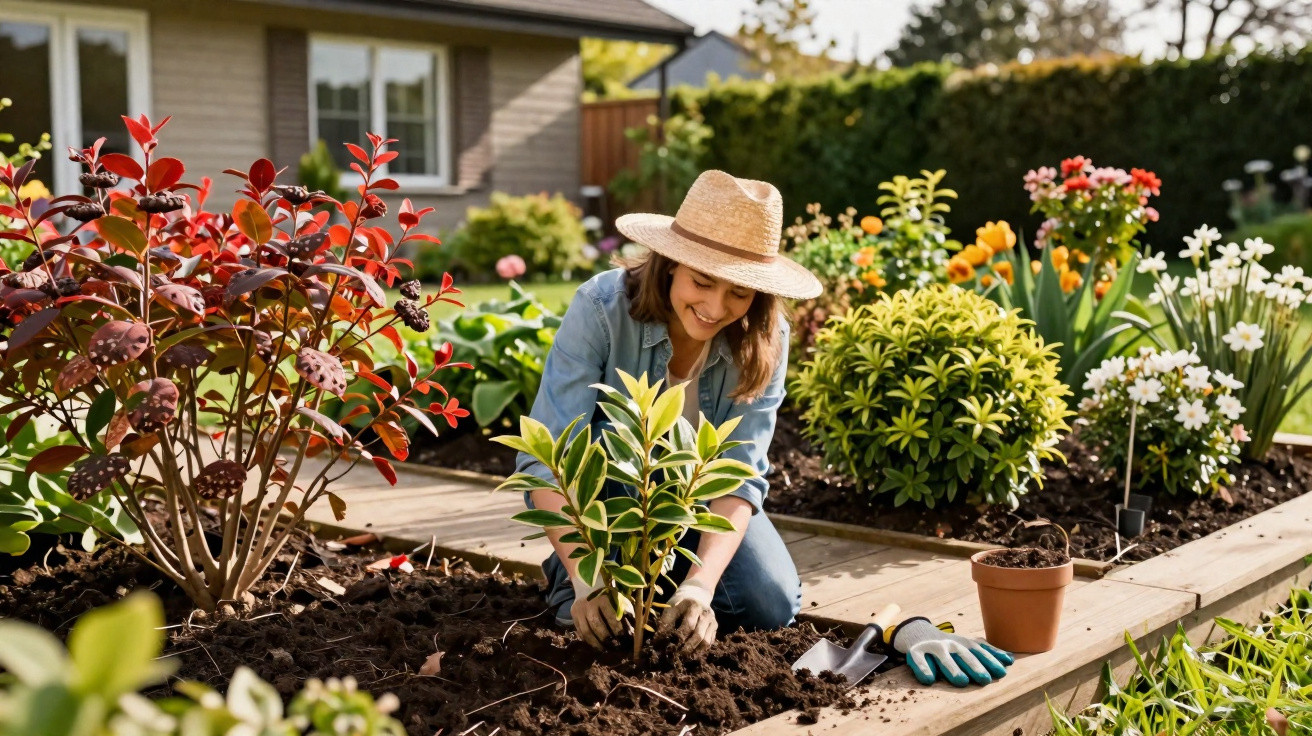
Practical planting steps in the garden
- Dig the planting hole and loosen the soil at its base with a garden fork.
- Combine the soil with compost and sand.
- Carefully remove the pot and gently tease out the roots if they are heavily matted.
- Position the plant so that the top of the root ball is level with the surrounding soil surface.
- Refill with the prepared soil mixture and firm it only lightly.
- Water with 5 to 10 litres so the soil and roots settle together properly.
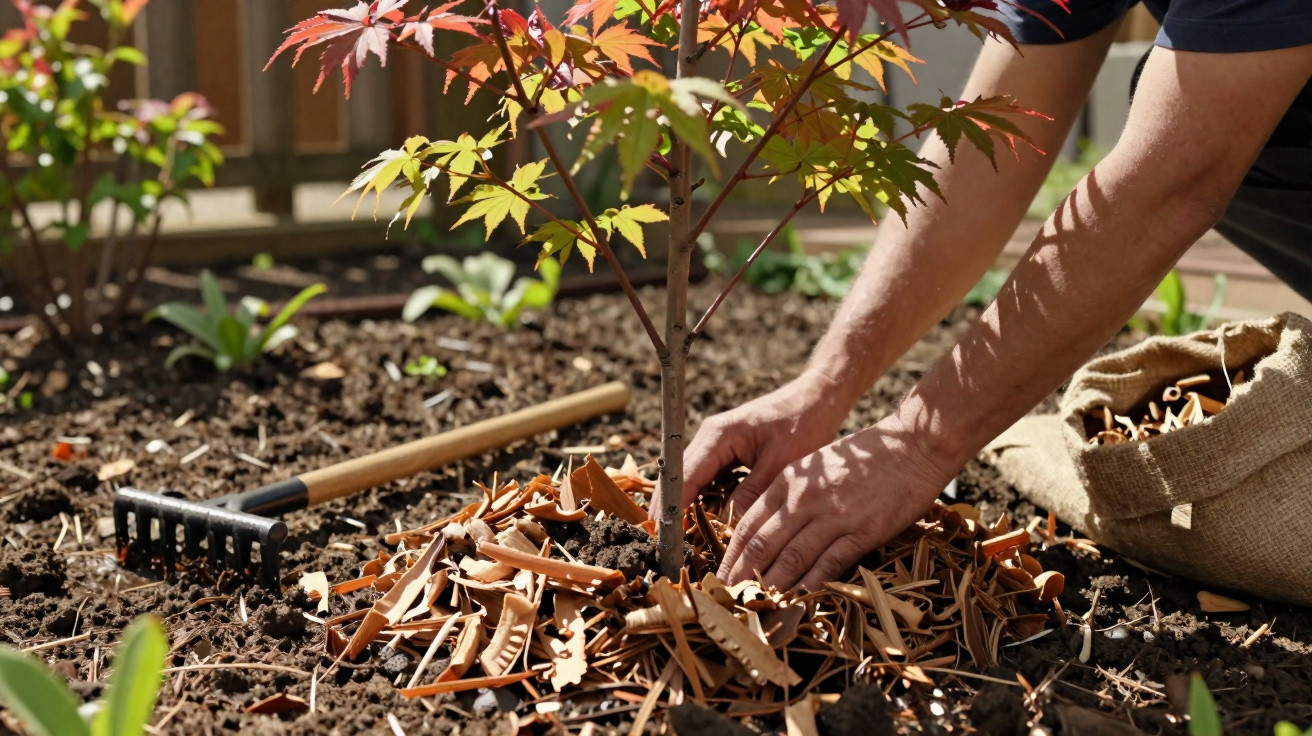
- Spread a mulch layer around 5 cm thick around the base, using bark compost, leaves or wood chips.
For the first four weeks after planting, water weekly with around 5 litres if conditions remain dry. After that, natural rainfall will normally be enough, except during extended hot spells.
Lucky holly for the balcony: growing holly in a pot
Anyone without a garden can still bring this lucky shrub onto the balcony. Many varieties naturally remain compact and are very well suited to containers.
- Pot size: at least 30 to 40 cm wide and 30 to 40 cm deep.
- It must have a drainage hole so surplus water can escape.
- Growing medium: mix a little sand or fine gravel into high-quality container compost.
- Quantity: around 20 to 30 litres of compost, depending on the pot size.
Compost dries out more quickly in a pot. A quick finger test is particularly useful in the first year: if the top layer feels dry, water the plant. Those wanting plentiful berries should place an additional male plant nearby or select varieties that are partly self-fertile – specialist advice from a garden centre can help here.
Care: little effort, considerable impact
Ongoing care is straightforward. One pruning session a year is generally sufficient:
- Best time to prune: late winter to very early spring.
- Remove dead shoots and shoots growing inwards.
- Lightly trimming the tips creates a dense, balanced crown.
Once established, garden-grown plants need extra water only during long dry periods. Container plants benefit in spring from a dose of slow-release fertiliser or some organic liquid feed.
Safety and choosing a position: what households with children should consider
Attractive though the red berries may be, they are not harmless for young children and some pets. Eating them can cause gastrointestinal discomfort. Holly should therefore not be planted beside play areas, sandpits or the edge of a trampoline area.
“Families are better off choosing a position that children do not constantly pass by – and occasionally picking up fallen berries.”
Many native bird species benefit greatly from the berries in winter. Anyone wishing to support wildlife should choose native or well-adapted varieties. They fit more naturally into the landscape and provide suitable food and shelter for insects and birds.
Which holly varieties suit balconies, front gardens and hedges
From traditional to contemporary, several types are especially common in garden centres. The following overview provides useful guidance:
| Intended use | Characteristics |
|---|---|
| Balcony / container | Compact, slow-growing varieties, often with smaller leaves and a dense crown |
| Specimen plants in the front garden | Medium-sized shrubs with decorative berries and a distinctive growth habit |
| Formal hedge | Varieties that tolerate pruning well and can be cut regularly |
| Natural-style garden design | Preferably native species that support birds and insects |
Local nurseries and garden centres are often the best places to start. They understand regional soil and climate conditions and can recommend varieties that will grow reliably in the area concerned.
More than symbolism: how holly changes the garden atmosphere
Many people underestimate how much an evergreen shrub can alter the overall appearance of a garden. Among bare fruit trees, spent perennials and brown beds, holly creates a calm, dependable focal point. It gives the eye somewhere to rest – an effect that is especially welcome on dark winter days.
Combining the shrub deliberately with spring-flowering plants intensifies this impression. Bulbs such as crocuses, snowdrops and daffodils work well around the base of holly. While their flowers add colour as early as March, the shrub creates fresh highlights with its red berries in autumn and winter. The result is a lively corner in the garden or on the balcony for almost the entire year.
Practical tips for anyone wanting to start now
If you are still unsure, begin with just one specimen in a pot and gain some experience. Once the first shrub is positioned in a semi-shaded spot, it can easily be supplemented later – for example, with a matching male plant to improve berry production or a second variety to add more structure.
Small “lucky corners” can also be appealing: a seating area framed by a holly shrub, a winter-flowering fragrant shrub such as winter viburnum, and a few early-flowering bulbs creates a personal retreat. Many people say that this particular area gives them strength in late winter, when the rest of the garden is still dormant.
Anyone making use of the period up to early March combines a favourable planting time with a powerful symbol. The holly will then stand not only as a hardy shrub in a border or container – it also marks the very moment when the new gardening year begins.
Comments
No comments yet. Be the first to comment!
Leave a Comment