
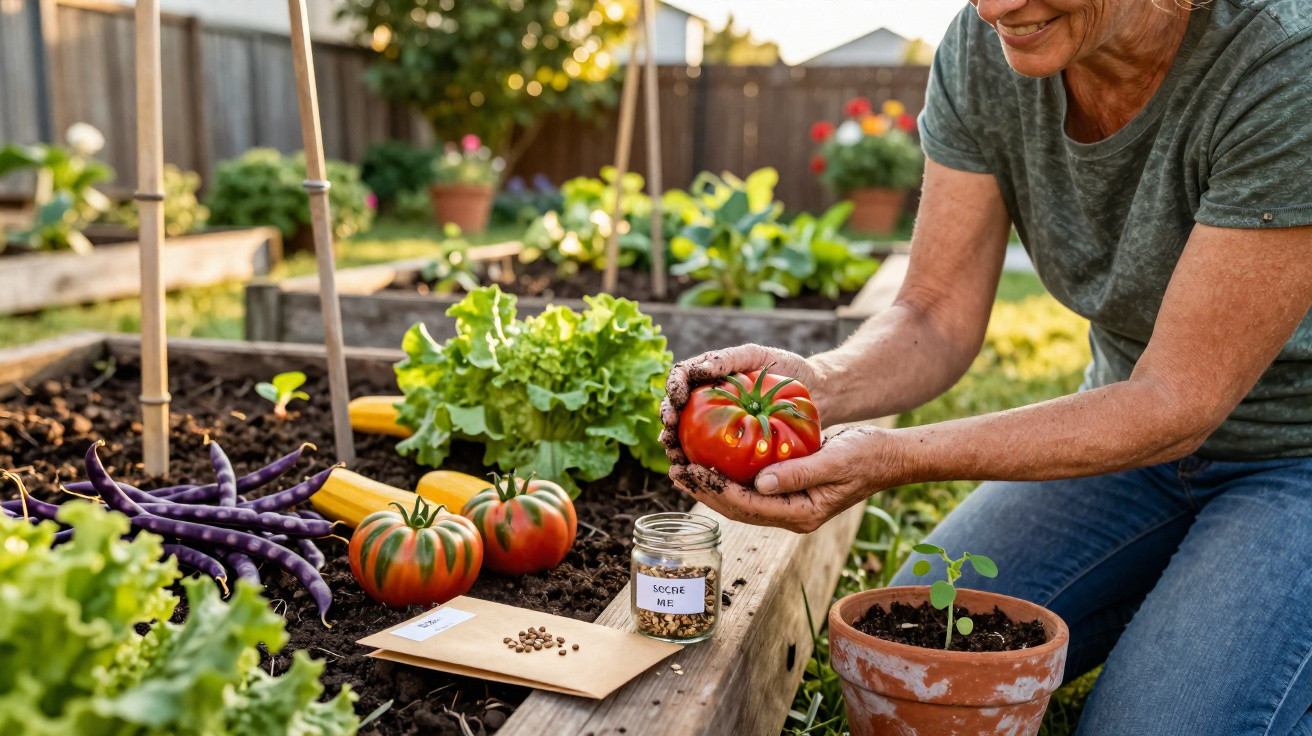
Old vegetable varieties quietly disappeared from many gardens – now they are returning with force and transforming entire beds.
Sowing heritage varieties this spring brings more than vegetables to the plot. It revives memories, preserves flavour and, as a welcome bonus, supports diversity in the garden. Often, the first mouthful makes it obvious why Grandad saved those seeds year after year.
Why old vegetable varieties are fashionable again
For a long time, uniform and flawless-looking vegetables dominated the shops. They store well, stack easily and are often suited to supermarkets – yet the garden soon proves that appearance cannot replace flavour. Many home gardeners have become used to watery tomatoes, bland lettuces and indistinguishable beans without quite realising what was missing.
Heritage varieties change that. In the past, these vegetable plants were selected chiefly for flavour and resilience rather than standardised sizing or transportability. The difference is clear in everyday cooking:
- tomatoes with a powerful scent and an almost fruity flavour
- beans with a proper bite instead of a soft, uniform texture
- lettuces that offer not only crunch but distinctive notes of their own
- squashes with pronounced sweetness and a dense, creamy texture
Old vegetable varieties bring imperfect shapes but remarkably rich flavour back into everyday life.
There is another advantage, too: many of these varieties manage with fewer chemicals. They come from an era when gardens and fields had to thrive without modern plant-protection products. Anyone gardening in a nature-friendly way today benefits from this decades-long “selection”.
What earlier generations already knew about seed
Handling seed used to be an everyday task. Many households stored their own saved seed in a cupboard or loft. Beans and tomatoes were exchanged with neighbours, while gardeners recorded what had come through winter well and what produced especially reliably in the bed.
The approach was practical: which varieties cope with cold springs? What delivers dependable yields in a small space? Which plants tolerate light soils or exposed, windy sites? Some of this knowledge was lost as packets of seed from DIY shops became commonplace.
That mindset is now returning. Terms such as “farmers’ varieties” describe seed that has proved itself in home gardens over many years. Adapted to the local climate, these varieties are often surprisingly tough and are ideal for a garden culture based on compost, mulch and diversity rather than continual feeding and purely decorative appearance.
Heritage vegetable varieties worth growing in spring
Spring – particularly from mid-April onwards – is the perfect time to give these older varieties a place in the garden. As the soil warms and daylight hours increase, seedlings receive enough light to establish strongly.
Classics for beds and raised beds
- Old tomato varieties – large beefsteak tomatoes, dark-fruited types and striped varieties add diversity in both colour and flavour.
- Runner beans – ideal for small gardens because they grow upwards and need little ground space.
- Old radish varieties – some are hotter, others milder, while some shine in unusual colours.
- Traditional squashes – ranging from storage squashes to flavoursome culinary varieties with firm skins.
- Classic butterhead lettuces – tender leaves, often less bitter and bred more for enjoyment.
- Old pea and broad bean varieties – excellent at the beginning of the season, with many tolerating cool temperatures quite well.
Even without a garden, it is still possible to take part. A balcony needs only a few deep pots and a sturdy planter or raised-bed module. Tomatoes, lettuce, radishes and herbs grow remarkably well there when given regular water and nutrients.
Stress-free sowing and raising young plants
You do not need a professional greenhouse setup to begin growing old varieties. A few straightforward principles are enough:
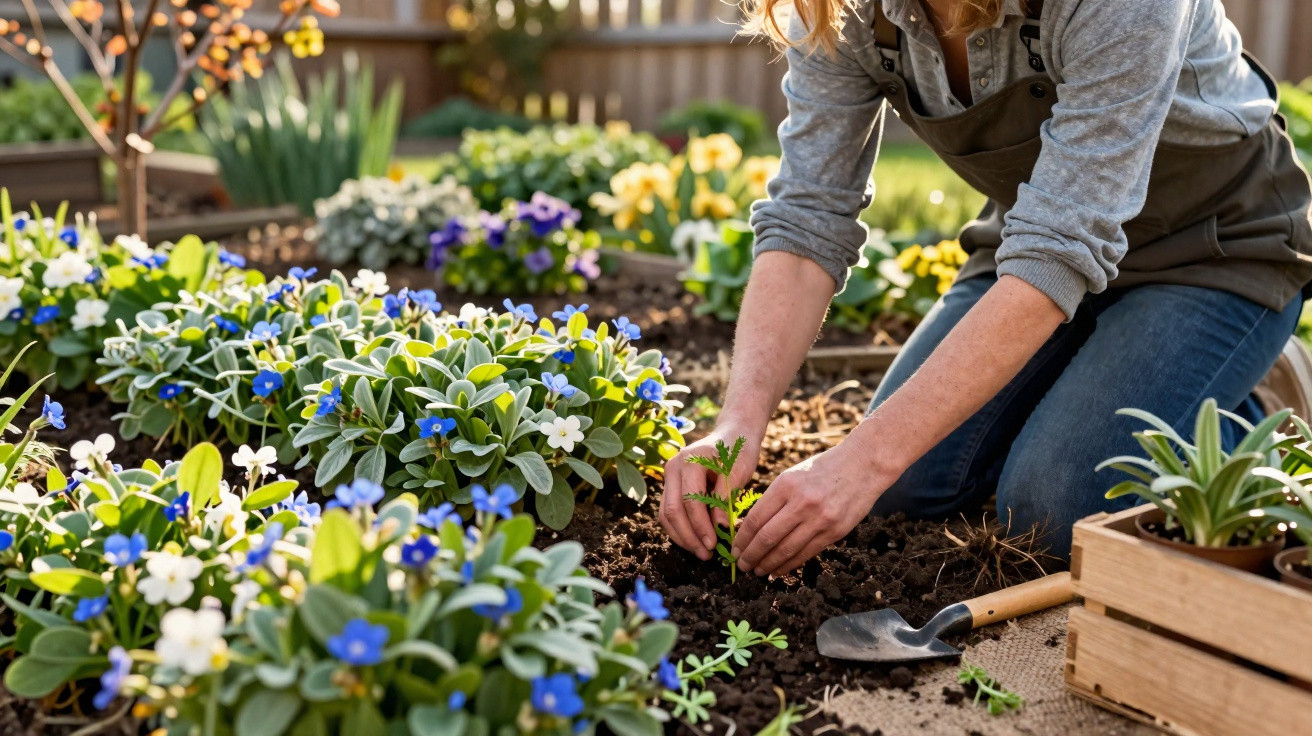
- Prepare the soil: Loosen the soil without digging it over completely. A small amount of mature compost is sufficient as a starter feed.
- Clear the area: Remove old roots and persistent weeds so seedlings do not face competition from the outset.
- Use the right sowing depth: Place seeds at roughly two to three times their own size below the surface.
- Water gently: Use a fine spray so the seeds remain in place in the soil.
Use this guide for sowing depth:
| Vegetable type | Sowing depth |
|---|---|
| Radishes | around 1 cm |
| Lettuce | 0.5–1 cm |
| Beans | 2–3 cm |
| Squash | 2–4 cm |
| Tomatoes in pots | approx. 0.5 cm |
Less effort, more method: by loosening the soil, sowing at the right rate and watering carefully, you remove the biggest early obstacles for your plants.
Protection from cold, wind and unpredictable weather
Spring can be deceptive. It may be T-shirt weather during the day and frosty at ground level overnight – exactly the sort of change that troubles young plants. Those growing old varieties should not rely on their resilience alone.
A few simple aids offer protection:
- horticultural fleece or a lightweight covering for cold nights
- clear cloches, cut-down plastic bottles or old windows used as mini greenhouses
- wooden or cardboard edging to shield seedlings from drying winds
One important point: ventilate in good time on sunny days so moisture does not build up on the leaves. Wet plants with poor airflow are more vulnerable to fungal diseases.
Why heritage varieties often have more intense flavour
Many modern varieties have been bred for yield and consistency. With old strains, enjoyment took priority. They had to feed the household and taste good, rather than remain in a crate for weeks.
A fully ripe home-grown tomato that finishes ripening on the plant has a different sugar-and-acid balance from a supermarket fruit picked early. The same applies to tender lettuces and bean varieties with a pronounced flavour of their own. This creates that “aha moment”: one bite is enough to understand why people passed their seed on for decades.
Saving your own seed – keeping the treasure in the garden
Once you have found a variety that performs perfectly in your own garden, it can be preserved long term with very simple methods. This saves money and makes you less dependent on changing selections in the shops.
The process is straightforward:
- Choose plants: Use only strong, healthy plants as the parent stock.
- Allow fruits to ripen: Let several specimens become completely ripe rather than harvesting them too early.
- Collect the seed: Carefully remove the seeds; with tomatoes, for instance, take them out together with their gel coating.
- Clean them: Remove remaining flesh, or simply dry and shell beans.
- Dry and store: Keep them somewhere cool, dry and dark – paper envelopes marked with the date and variety name are ideal.
Your own seeds turn the garden into a small archive – every season, a piece of family history grows with it.
What old varieties mean for diversity, climate and neighbours
Old varieties are not just flavour sensations; they also act as a safety net for the future. The more different strains growing in gardens, the wider the genetic base becomes. In times of extreme weather, a resilient, time-tested variety can be invaluable because it may cope better with drought, heavy rain or late frost.
There is also a social side. Exchanging seed gets people talking. Giving someone a handful of beans or tomato seeds also passes on a story – when they cropped well, which recipes worked best and which plot-growing tricks help.
Practical tips for beginners growing old varieties
If you are just starting out, there is no need to overhaul the entire bed immediately. A small trial area makes sense:
- Create a separate bed or raised bed solely for old varieties.
- Try only a few new varieties each year, but observe them closely.
- Keep notes on sowing time, yield, flavour and susceptibility.
- Ask friends or family specifically about tried-and-tested “heirlooms”.
A simple notebook or digital note is also useful for recording each variety with a short description. Over the years, this builds a small database of your own: what works in shade, what thrives on a south-facing balcony and what needs especially large amounts of water?
It becomes particularly rewarding when children are involved. A bean teepee made from old varieties, a row of unusually coloured tomatoes or a strip of radishes they can harvest themselves – experiences like these leave a lasting impression. Many adults can still remember, decades later, the tomato from their grandparents’ garden or their first truly hot radish.
Anyone who embraces old vegetable varieties makes their bed less interchangeable. Instead of anonymous standard produce, individual plants with their own history take root. A few seeds sown in spring become more than a harvest – they become a small piece of living tradition that can be sown anew every year.
Comments
No comments yet. Be the first to comment!
Leave a Comment