
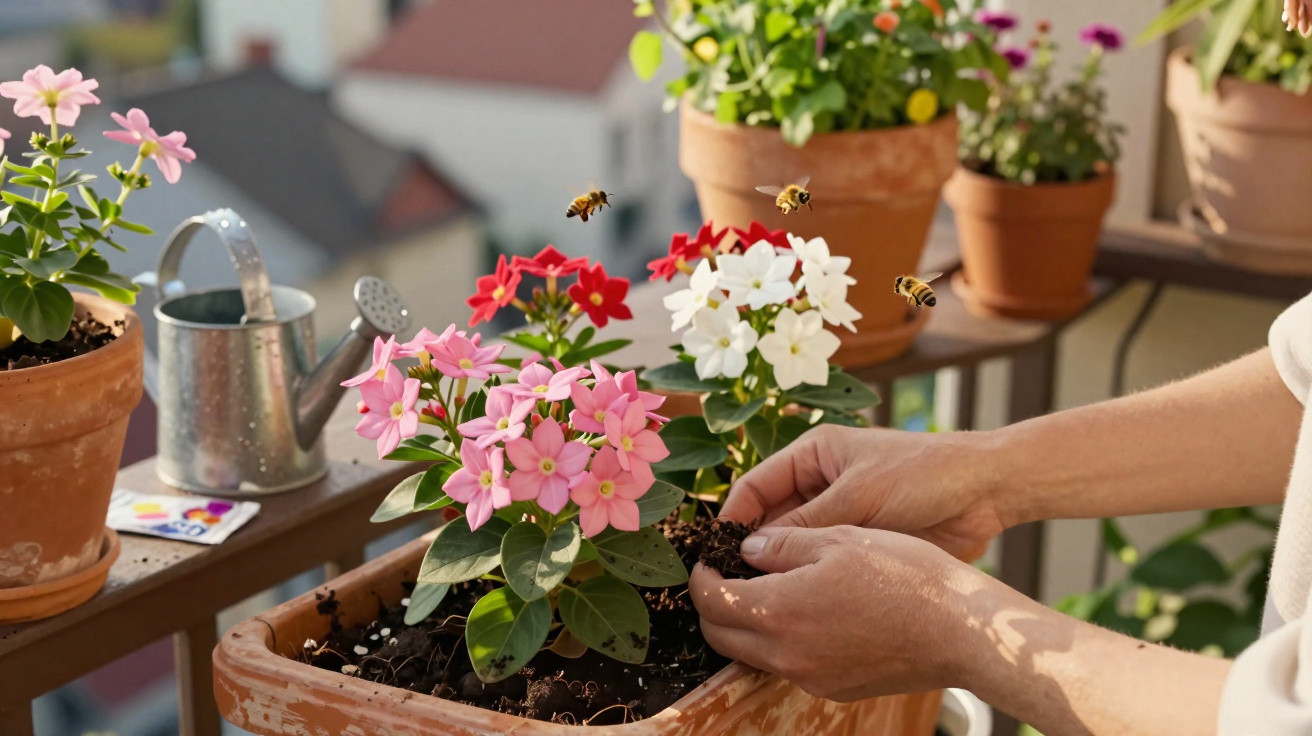
An understated star for spring: an easy-care flower adds colour to balconies and terraces while keeping pollinators happy.
In spring, many amateur gardeners want plants that offer more than good looks. They are looking for varieties that establish quickly, need little attention and still benefit wildlife. One flower does all of this remarkably well: Pentas, also known as the star flower. It is still far too seldom used here, despite being ideally suited to today’s needs.
How Pentas bring balconies and gardens to life
At first glance, Pentas can seem rather unassuming. There are no oversized blooms or overly exotic looks. But once planted, they quickly reveal their strengths. Their star-shaped flowers are grouped closely together in small clusters and produce plenty of nectar.
Pentas are like a natural magnet for bees, bumblebees and butterflies – even in densely built-up cities.
While many traditional balcony plants are mainly decorative, Pentas add movement to an outdoor space. You can watch insects arrive, pause briefly, fly away and return again. Especially on a city balcony, this can feel like a miniature wildlife film.
For anyone wanting to show children how pollinators work, this flower is an ideal choice. It provides colour while making ecological relationships visible, with very little effort required.
The best position: sun, warmth and shelter
Pentas thrive in bright, warm conditions. They grow most vigorously and flower for a long time in a sunny to partially shaded spot. A location protected from wind helps prevent their delicate shoots from snapping.
In a garden border
For planting in a border, choose a fully sunny area with free-draining soil. The plant does not tolerate waterlogged conditions well.
- Spacing between plants: 30–40 cm
- Position: sunny, warm and slightly sheltered
- Soil: loose, humus-rich and well drained
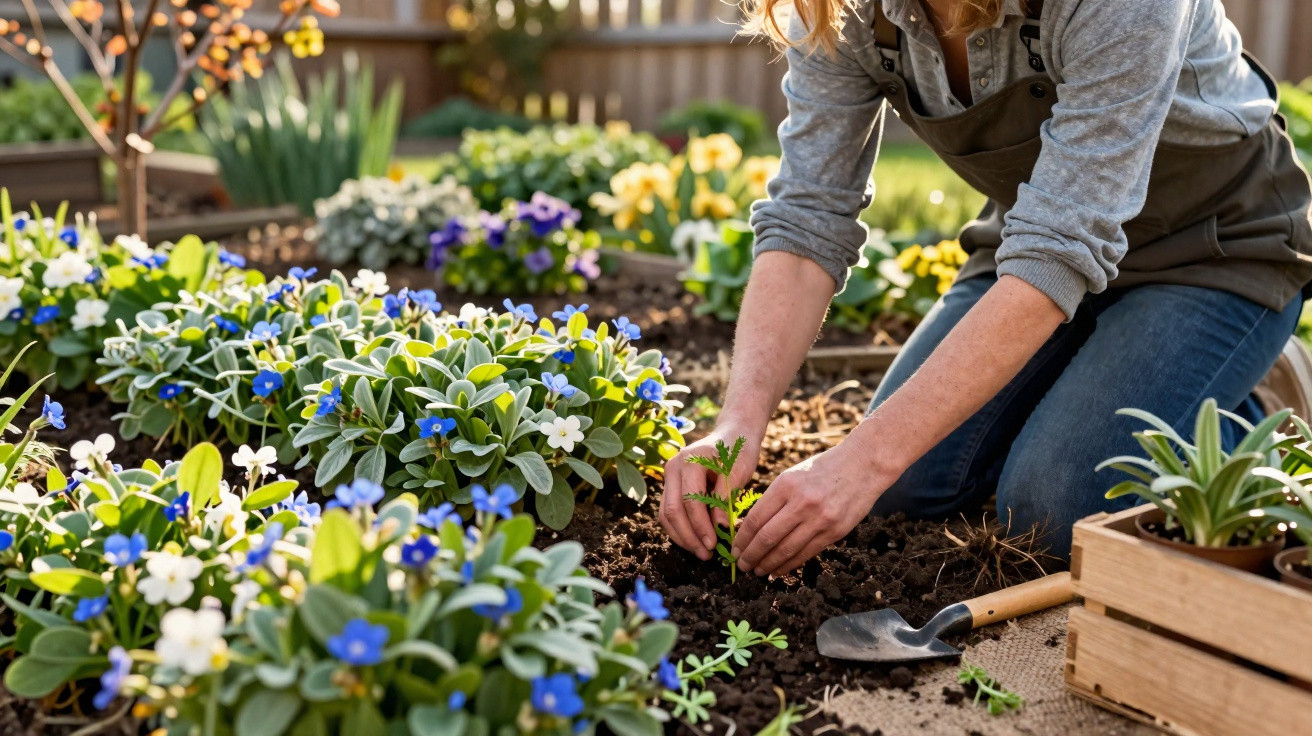
Before planting, it is worth checking the soil briefly. If it is heavy or compacted, loosen it thoroughly with a garden fork. Poor soil benefits from a generous addition of compost. Then place the plant in the prepared hole, firm the soil around it and water well – job done.
In a pot or window box
The star flower is particularly effective on a balcony. It is excellent for containers, window boxes and planting bowls.
These sizes have proven practical:
| Container | Suitable number of Pentas | Recommended depth |
|---|---|---|
| Pot, Ø 30 cm | 1–2 plants | approx. 30 cm |
| 60 cm window box | 3–4 plants | approx. 30 cm |
Good drainage is essential: drainage holes must not become blocked. A layer of expanded clay or gravel at the bottom of the pot prevents waterlogged roots. For the growing medium, a simple mix of roughly equal parts potting compost and mature compost will do, or use a high-quality pre-fertilised substrate. This gives the plant sufficient nutrients for a strong start.
Easy to care for, but not to be ignored: keeping Pentas attractive for longer
Anyone who does not want a complicated care routine will be pleased with this flower. Its demands are modest, although it does need a degree of regular attention.
Watering without overdoing it
The compost should remain lightly moist, rather than soaking wet. In pots, the growing medium dries out more quickly than it does in a border. As a rough guide:
- In pots during summer: usually water 1–2 times a week
- In borders: according to the weather, more often in hot conditions and less often when it rains
- Finger test: if the top few centimetres of soil are dry, it is time to water
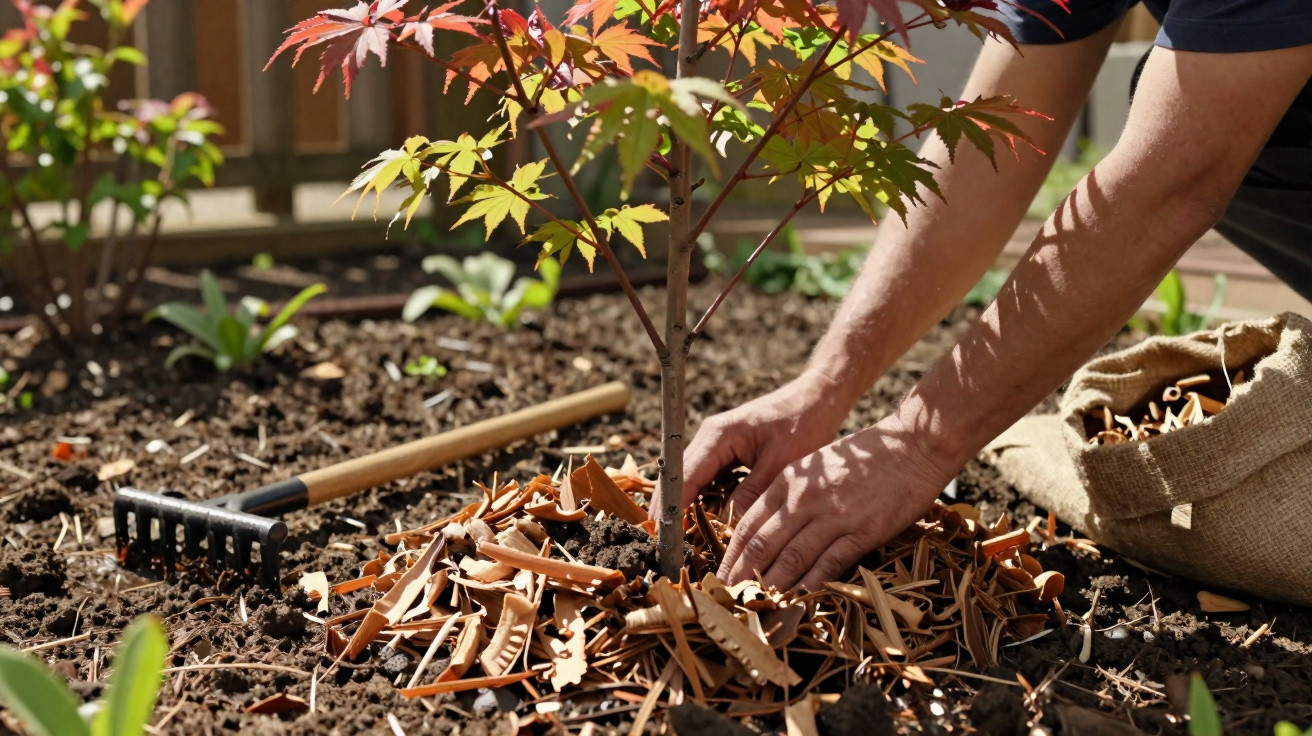
Those who are often away can reduce evaporation by applying a light mulch, such as bark pieces or dried grass clippings. This keeps the roots supplied for longer and can save the occasional watering session.
Feeding and flower care
Regular feeding is worthwhile if the plant is to keep producing plenty of blooms. Liquid fertiliser for flowering plants, added to the watering can, is quick and straightforward to use. A typical schedule is:
- fertilise every 3–4 weeks
- dosage: around 10 ml of liquid fertiliser per 1 litre of water (follow the pack instructions)
Faded flower clusters should be removed regularly. This can be done quickly using your fingers or small scissors. This minor task encourages the plant to form fresh buds instead of directing energy into old seed heads.
Anyone who pinches off faded clusters every week will be rewarded with significantly longer and denser flowering.
If the plant becomes too tall over summer or starts to look bare at the base, a light trim can help. Cut back a few shoots by one third, and it will regrow in a more compact form.
Plants that pair especially well with the star flower
The real wow factor comes from combining it with other species. Pentas work particularly well alongside other drought-tolerant, insect-friendly plants.
Popular companions include:
- geraniums, for bold colour and dense growth
- varieties of sage, which add structure and fragrant flower spikes
- lantanas, which broaden the colour palette and also attract many pollinators
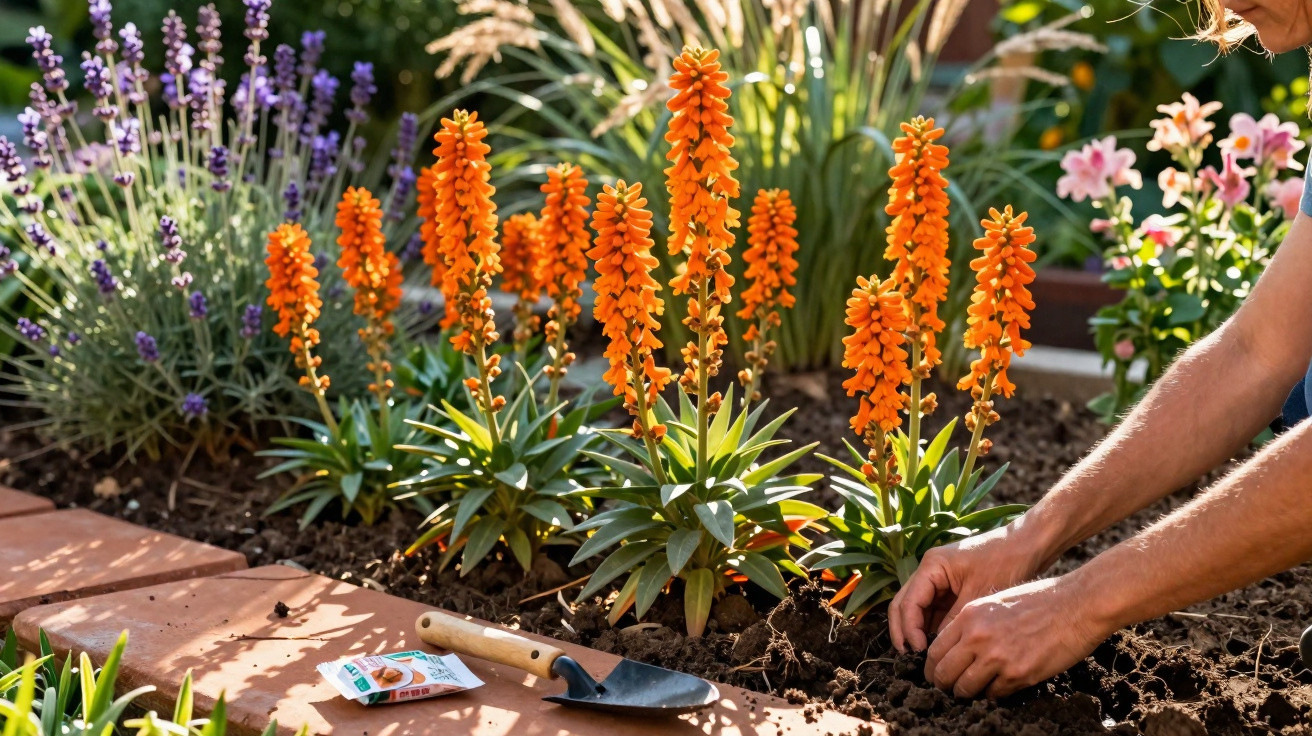
For anyone who enjoys contrasts, pink Pentas can be planted beside purple sage. The result is lively without being overpowering. In small boxes, a combination of just two species is often enough to create visual depth.
Common problems – and how to avoid them
Although Pentas are robust, there are a few potential pitfalls. The most common mistake is overwatering. If the roots remain wet for too long, fungal diseases can develop. The plant then looks dull, its leaves turn yellow and its roots rot.
A better approach is to:
- water less frequently but thoroughly
- always empty excess water from saucers
- keep the substrate loose and avoid using pure garden soil in pots
Aphids occasionally appear. In many cases, a strong jet of water is enough to wash them from the shoots. If the infestation is severe, treating the plant with mild plant soap water may be helpful.
The plant is sensitive to frost. In mild regions, it may survive winter in some cases, but in most parts of the UK it is treated as an annual. Container plants can be moved to a bright, cool place before the first frosts, making overwintering possible.
Step by step: a simple spring planting project
Anyone keen to begin straight away can achieve a great deal with a single window box. Here is a practical example for a standard 60-centimetre box:
- Prepare around 10 litres of potting compost and 10 litres of mature compost.
- Add a drainage layer of expanded clay or gravel.
- Fill the box with the soil mixture.
- Plant three Pentas plants, leaving around 20 cm between each one.
- Firm the substrate and water thoroughly.
- Apply a light mulch to the top layer.
With this simple set-up, bees and butterflies often begin visiting regularly just a few weeks later. Adding a pot of thyme or oregano alongside it increases the attraction for insects even further.
Why Pentas suit current gardening trends so well
Today, many people want a lively outdoor area but have neither the time nor the desire for complicated gardening. This is exactly where the star flower excels: it offers long-lasting blooms, supports pollinators, stays compact and fits easily into existing planting schemes.
On small city balconies in particular, a few pots of Pentas combined with herbs and perhaps one or two grasses can create a colourful, low-maintenance mini oasis. Insects find food there, while you gain a peaceful, colourful retreat without daily care stress.
Anyone unsure whether they have “green fingers” can try this plant with confidence. It forgives small mistakes, visibly signals thirst through slightly drooping leaves and responds quickly to a little care. Spring is the ideal time to start, leaving plenty of time for a long flowering season that lasts into autumn.

Comments
No comments yet. Be the first to comment!
Leave a Comment