
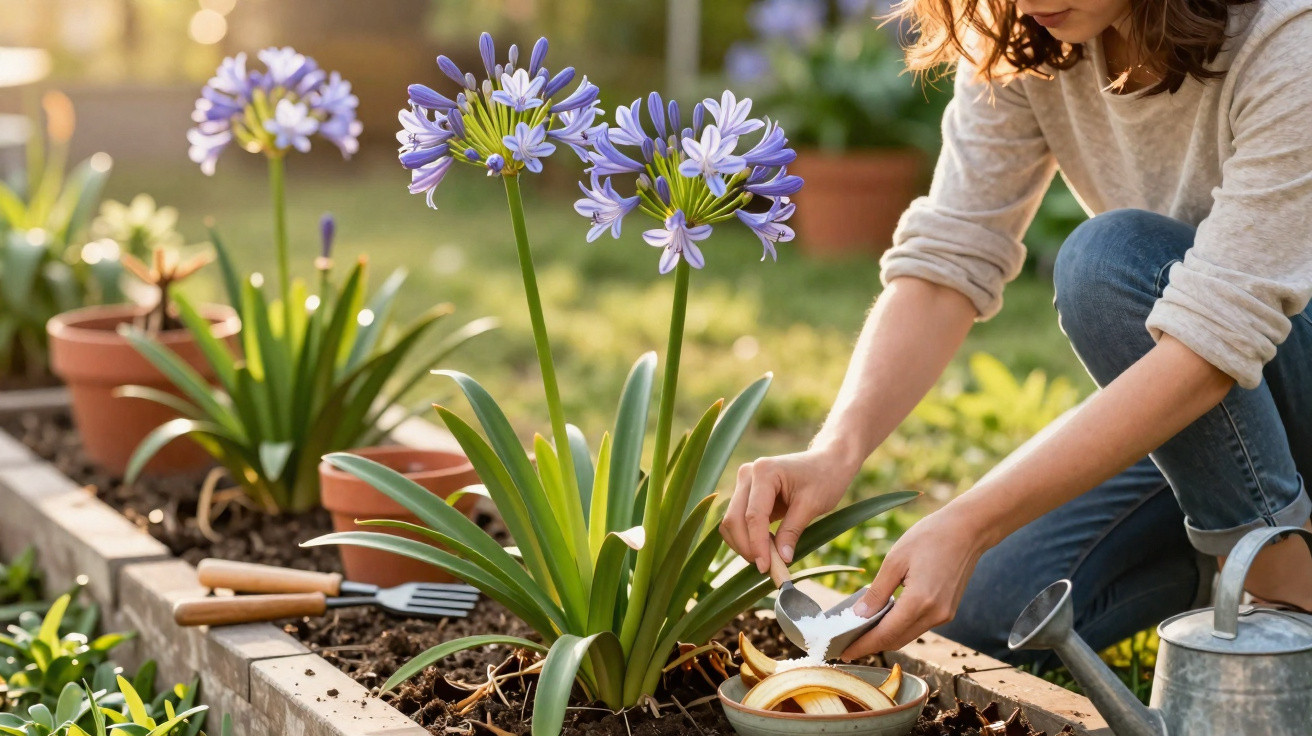
Anyone who loves the “lilies of the Nile” will know the dilemma: plenty of foliage but few flowers. Yet the height and abundance of the flower heads are not a matter of chance; they depend on just a few days in March. This is precisely when the plant emerges from winter dormancy – and when it is decided whether its energy goes into leaves or flower stems.
Why March determines the height of Agapanthus flowers
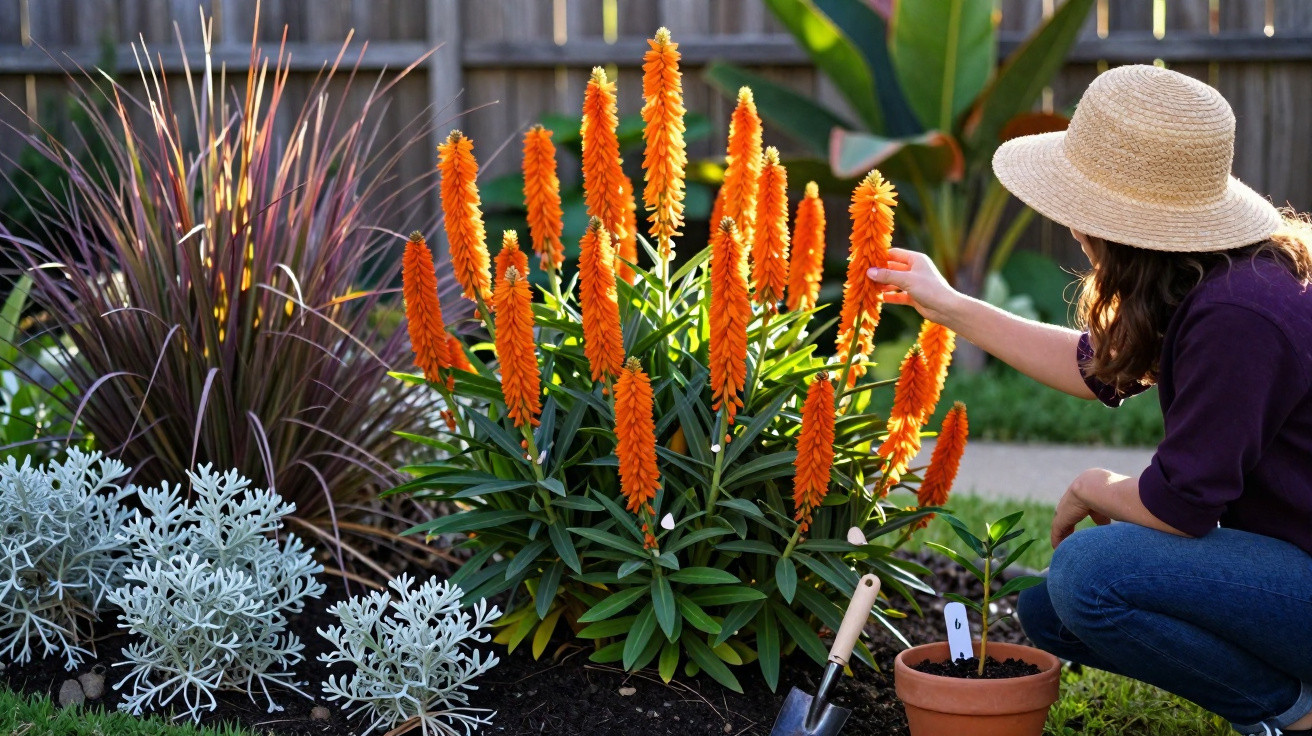
Agapanthus produces its characteristic round flower heads from June or July through to September. Depending on the variety, the stems grow to around 30 to an impressive 120 centimetres. That eventual height is already set in spring, as the buds swell and the roots become active again in the upper soil layers.
Immediately after winter dormancy, the plant is particularly sensitive to care, soil structure and nutrients. Targeted action at this stage directs its energy towards strong flower stems rather than foliage alone.
“The size of the flower heads is decided during just a few days around winter dormancy – act in March and you will reap the spectacle in summer.”
At this point, professional growers focus chiefly on two nutrients: phosphorus and potassium. They reinforce the roots and stems, whereas excessive nitrogen applications produce luxuriant leaves that can virtually “swallow” the flowers.
The P–K plan: what Agapanthus needs before the end of March
For the plant to perform at its best in summer, a clear routine in late winter or early spring is worthwhile. Depending on the region, the ideal window extends to roughly the end of March, once the soil is no longer icy cold.
Step 1: Spring clean around the clump
- Cut back dried leaves close to ground level
- Remove old, spent flower stems
- Clear away leaves and plant debris from around the base
This removes conditions that encourage rot and makes room for fresh growth. It also allows more light to reach the base of the young leaves.
Step 2: Gently loosen the soil
Use a hand fork or rake lightly around the root area. The important point is to work only 3 to 5 centimetres deep, without damaging the thick storage roots. The aim is to break up the hardened crust left by winter.
This has several benefits: it aerates the soil, reactivates soil organisms and allows water and nutrients to reach the area where the roots are beginning to grow more quickly.
Step 3: A nutrient mix focused on phosphorus and potassium
Now comes the real “turbo boost” for the flower stems:
- Apply 1–2 handfuls of mature compost or worm compost per plant
- Scatter a thin layer of sieved wood ash over it as a potassium source
- Avoid nitrogen-heavy fertilisers, as these mainly stimulate leaf growth
Phosphorus supports root development and the formation of flower buds, while potassium makes stems sturdy and resilient. Organic compost also supplies trace elements and enlivens the soil.
To finish, apply a thin layer of compost as a “top dressing”. Follow this with a 2 centimetre layer of organic mulch, such as flax or hemp bedding. Water slowly and thoroughly so the nutrients reach the active root zone.
“Providing Agapanthus with phosphorus and potassium in March, while loosening the soil, lays the foundation for significantly taller and sturdier flower stems.”
Household remedy: banana skins as a potassium source
A classic amateur-gardening method is to work small pieces of banana skin lightly into the topsoil. They break down gradually and release potassium. The key is to incorporate them only very shallowly, so they do not rot or create mould hotspots.
Agapanthus in pots: when it suddenly becomes too cramped
Agapanthus does reward a snug container with flowers, but after around three years the situation often becomes critical. Roots can fill the entire pot, water then rushes down only around the edges, and the plant effectively “starves” despite regular watering.
Typical signs include:
- Stems remain below 30 centimetres
- New shoots bend over in the first gust of wind
- The foliage looks dull and pale
If the root ball has not yet completely filled the container, the P–K plan, soil loosening and surface composting will usually be enough. If the roots are tightly compacted in the pot, however, repotting is the only solution.
Carefully loosen the root ball and place it in a container with drainage holes that is only slightly larger. A pot that is too large can quickly lead to waterlogging. Fresh growing medium, an organic starter feed and the care routine outlined above will get the plant back on track.
Agapanthus in borders: divide overcrowded clumps
For Agapanthus grown in the ground, start in March once the soil has warmed slightly. The order is then: remove dead foliage, loosen the soil surface, work in worm compost, mulch and water.
Over the years, many Agapanthus plants form impressive clumps. Although this looks lush, it can reduce flowering if the roots are pushing hard towards the surface. In that case, divide the plant in spring:
- Carefully dig up the plant
- Split the rootstock into sections with a sharp spade or knife
- Each division should have its own roots and one or two visible buds
- Replant, firm the soil well and water thoroughly
This rejuvenates the planting, maintains freely flowering plants and also provides new specimens for other borders or as gifts.
What if March has already passed?
Sometimes life – or the weather – gets in the way. Late frost, persistent rain or a holiday can quickly push the ideal timing back. Even so, it is worth taking action as soon as the soil no longer feels icy cold and the first new leaves are visible.
The process remains the same: light loosening, a P–K-focused nutrient application, a compost layer, thin mulch and watering. Plants in pots usually become active a little earlier because their growing medium warms up more quickly. It is therefore worth checking regularly for the first leaf tips.
In-season care: keeping Agapanthus flowers in shape
From early summer until autumn, Agapanthus mainly needs one thing: an even water supply without waterlogging. In hot weather, potting medium can dry out surprisingly fast, so watering more often but in measured amounts makes sense.
Do not leave saucers permanently filled with water. This quickly causes root problems and softens the stems. For container-grown plants, a liquid fertiliser for flowering plants can supplement the organic spring treatment every few weeks – but use the recommended dose, not a “more-is-better double helping”.
Cut out flower heads promptly as soon as they fade. This prevents the plant from putting energy into seed production and encourages fresh buds.
Common mistakes – and how to avoid them
Many problems with reluctant-to-flower Agapanthus can be traced back to a few common care errors:
- Too much nitrogen fertiliser: stimulates foliage and suppresses flowers
- Permanently wet soil: weakens roots and makes stems soft
- Loosening too deeply: damages the thick storage roots
- No spring pruning: old stems and rotting leaves remain sources of infection
Keeping these pitfalls in mind and making use of the short but crucial period around the end of winter dormancy can often transform the plant.
Why phosphorus and potassium make such a difference here
Phosphorus promotes the development of strong roots and stable flower buds. Without enough phosphorus, flower heads often remain smaller and the plant becomes more sensitive to external stress. Potassium creates firm cell walls, improves stem strength and supports water balance.
Combined with lively, lightly loosened soil, Agapanthus makes the best possible use of these nutrients. Following this principle every March gradually produces real “showpiece clumps” – in a pot on the patio just as much as in a border beside a seating area.

Comments
No comments yet. Be the first to comment!
Leave a Comment