
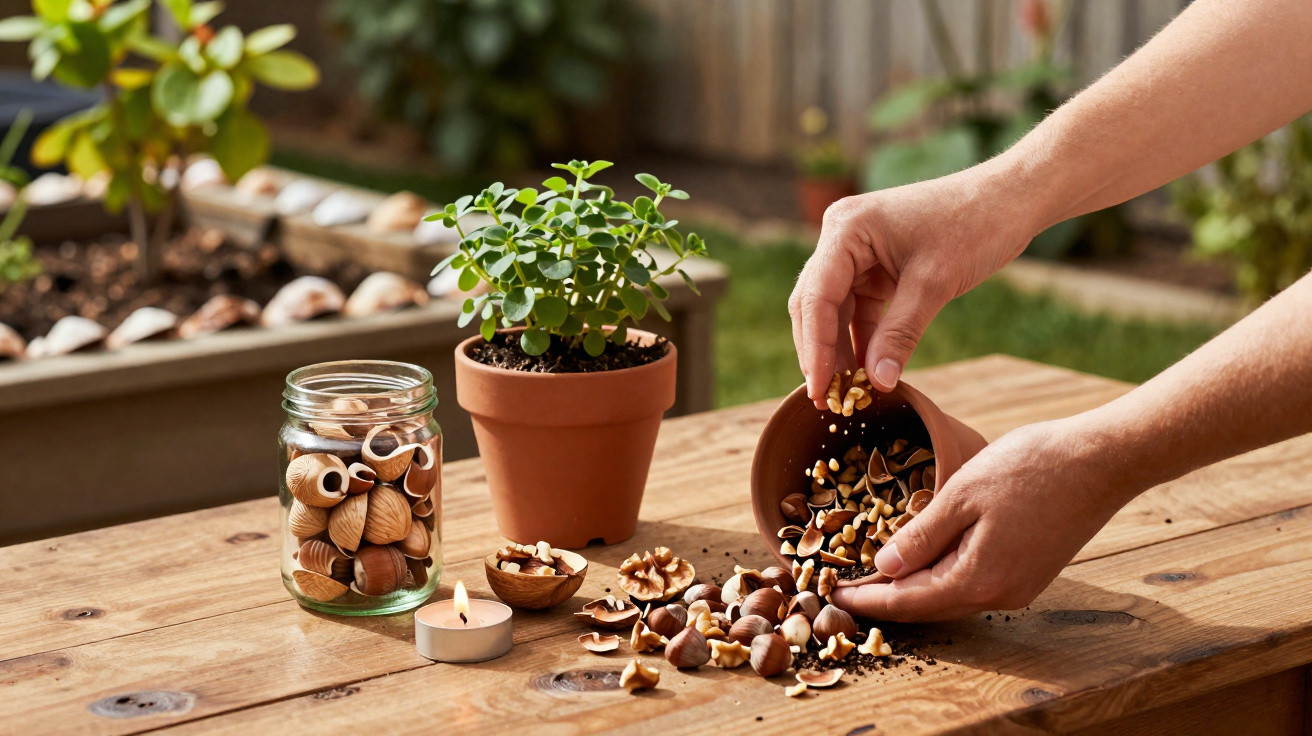
They offer a wealth of uses in the garden, around the home and for decoration.
Anyone who regularly cracks walnuts or hazelnuts soon builds up a sizeable pile of hard shells. They usually end up in the general waste bin, or at most in the food-waste caddy. That is a pity, because these modest-looking casings have remarkably varied uses – from a natural slug barrier in a flower bed to fragrant decoration for the living room.
Why nut shells are far too useful to throw away
Walnut and hazelnut shells are made from an exceptionally tough, fibre-rich material. Although they break down slowly, they are fully biodegradable. This particular combination makes them useful in both the garden and the home.
- They reduce the amount of general waste.
- They can replace shop-bought products such as bark mulch or scouring powder.
- Their attractive appearance works well in natural-style décor.
- They cost nothing, as they are produced anyway.
“Nut shells are free raw materials: durable, natural and versatile – useful outdoors in the garden and indoors at home.”
Rather than discarding the shells, collect them and gradually create a small zero-waste system around nuts: eat the kernels, put the shells to use and cut down on organic waste.
In the garden: practical uses for tough natural material
Natural mulch for beds and shrubs
One of the most straightforward options is to use nut shells as a mulch layer. Roughly crush the shells, then spread them around perennials, roses, berry bushes or vegetable beds.
This layer performs several functions:
- It slows down weed growth.
- It helps the soil retain moisture for longer.
- It protects the soil from capping during heavy rain.
- It stops soil splashing onto leaves and fruit.
Those with light soil gain a further benefit from its stable texture: the soil remains more open and waterlogging is less likely. For larger areas, combine the shells with shredded branches or leaves.
A natural barrier against slugs and other crawling pests
Coarsely broken nut shells have sharp, angular edges, which are unpleasant for slugs and many crawling pests. A wide strip of shells around vulnerable plants, such as young lettuce, dahlias or strawberries, can make a noticeable difference.
Keep the following in mind:
- Make the layer at least several centimetres wide.
- Avoid gaps, as animals will find routes through them.
- Check after heavy rainfall and top up where needed.
This will not provide complete protection. However, compared with unprotected beds, feeding damage is considerably lower – without slug pellets or other chemicals.
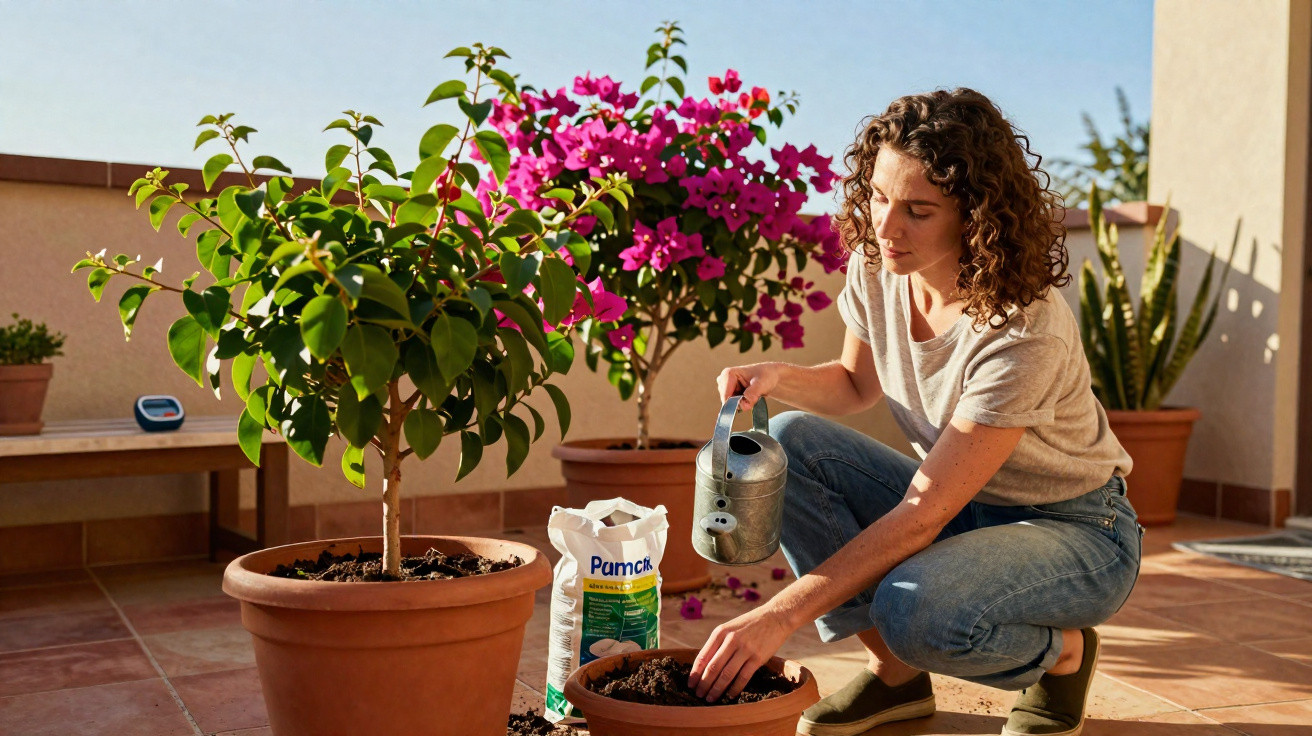
Drainage layer for pots and window boxes
Anyone with plenty of container plants or window boxes will know the problem: waterlogging can cause roots to rot. Expanded clay balls or gravel are commonly placed at the bottom of pots, but nut shells provide a more sustainable alternative.
Here is how to do it:
- Roughly crush the shells so that they create air gaps.
- Put a layer measuring two to three centimetres thick in the bottom of the pot.
- Add compost on top and plant as usual.
Their firm structure allows water to drain away without holding it permanently. They are also lighter than gravel, which is especially useful on balconies and windowsills.
At home: decoration ideas and clever zero-waste tricks
Rustic decoration with natural charm
Nut shells are ideal for a warm, slightly rustic interior style. Their brown shades sit beautifully alongside wood, textiles and candlelight.
A few simple ideas:
- Use them as vase filler alongside fir sprigs or branches.
- Arrange them in bowls with cones and dried orange or apple slices.
- Scatter them across the table for autumnal or winter evenings.
Anyone who enjoys crafting can use hot glue to make small figures, place-card holders or decorative frames from shells. Children are usually quick to get excited about this too.
Mini candles in walnut-shell boats
Walnut shells can be turned into surprisingly attractive candles. All that is needed is leftover wax, short wicks and a little patience.
Basic instructions:
- Crack whole walnuts, keeping the shell halves as intact as possible.
- Melt wax remnants in a bain-marie.
- Position short lengths of wick in the centre of the shells, fixing them with a drop of wax if necessary.
- Carefully pour in the melted wax and allow it to cool.
The finished candles can even float on water – perfect in a bowl on the dining table or as atmospheric decoration in the bathroom. Important: never leave them burning unattended, and keep them well away from flammable materials.
Gentle scouring powder from the kitchen
For burnt-on residue in pans or on barbecue grills, many people reach for harsh cleaning products. Coarsely ground nut shells are a more environmentally friendly option that still provides effective scrubbing power.
To make the scouring powder:
- Grind dry nut shells coarsely in a blender or pestle and mortar.
- Store them in an airtight jar.
- When required, mix one tablespoon with a little water or washing-up liquid to form a paste.
The hard texture loosens dried food residue without scratching metal surfaces as heavily as many synthetic scouring products. This method is not suitable for delicate coatings, such as non-stick pans; a soft sponge remains the safer option for these.
Natural fragrance holders for cupboards and living spaces
Nut shells absorb scents and release them gradually. Combined with a few kitchen ingredients, they become small fragrance displays that freshen musty cupboards or hallways.
Popular combinations include:
- Nut shells with cinnamon sticks and cloves
- Nut shells with dried lemon or orange peel
- Nut shells with lavender flowers and dried rose petals
Put the mixture into a jar, small bowl or fabric bag, then place it in a wardrobe, bathroom or entrance area. Loosen it occasionally, or refresh the scent with a few drops of essential oil.
How to crush nut shells correctly
To ensure the shells work as effectively as possible, the right particle size matters. Different uses call for different sizes.
| Area of use | Size of pieces | Suitable tools |
|---|---|---|
| Mulch and slug barrier | Coarse, irregular pieces | Hammer, pestle and mortar, fabric bag and rolling pin |
| Drainage layer in pots | Halves or larger broken pieces | Crush by hand, tap lightly |
| Decoration and fragrance bowls | Whole halves or attractive fragments | Open carefully by hand |
| Natural scouring powder | Coarsely to medium-finely ground | Blender, coffee grinder, pestle and mortar |
If you have a garden shredder with a suitable attachment, larger quantities can be crushed in one go. Whichever method you use, safety glasses are worthwhile because hard fragments can fly off.
How many nut shells should you use?
Nut shells decompose slowly. This is beneficial in a garden bed, but excessive amounts can slow decomposition in compost. Small quantities can be incorporated without difficulty, particularly when mixed with other organic material. As a mulch layer, use only enough for the soil to remain slightly visible and for water to penetrate easily.
If you crack a great many walnuts, sort the shells according to their intended use: keep some for the garden, some for decoration and fragrance, and a small remainder for scouring powder. This creates a sensible balance.
Practical guidance, risks and useful combinations
One point concerns many amateur gardeners: the tannin content, especially in walnut shells. In very large quantities, it can slightly inhibit sensitive plants. As a loose mulch layer around robust perennials and shrubs, this is generally not a problem. In a vegetable garden, it is sensible to test it in a small area before covering an entire bed.
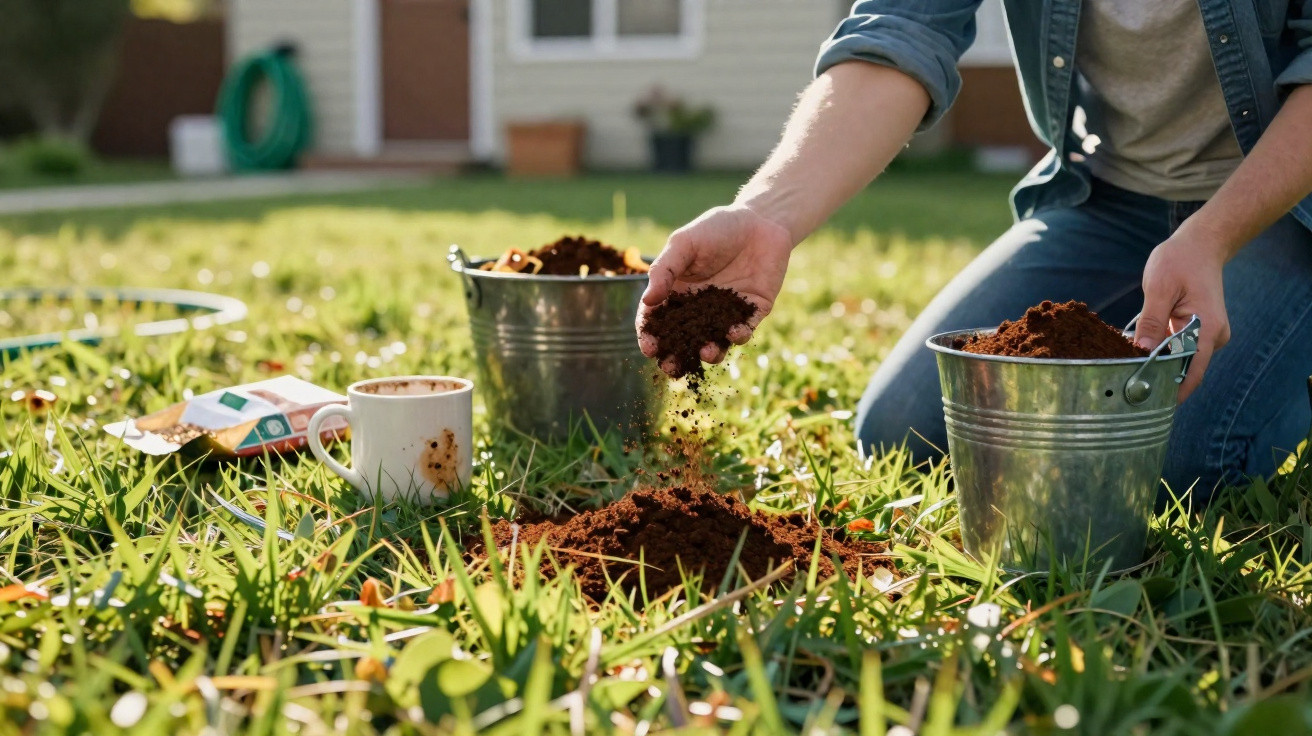
Nut shells become particularly interesting when combined with other leftover materials. Coffee grounds, eggshells, leaves and grass cuttings complement their effects: coffee grounds provide nutrients, eggshells add lime, and nut shells supply structure. The result is a kind of homemade soil improver made from kitchen waste.
Around the house, shells can also be combined with homemade cleaning products. For example, if you clean with bicarbonate of soda or citric acid, mix in some ground nut shells to increase the abrasive effect. For stainless-steel sinks or sturdy pans, this blend is often enough, removing the need for an additional supermarket product.
Once you start collecting shells deliberately, it quickly becomes clear that what seemed like waste can become a regular part of everyday routines – from repotting plants to creating cosy evening light on the dining table.
Comments
No comments yet. Be the first to comment!
Leave a Comment