
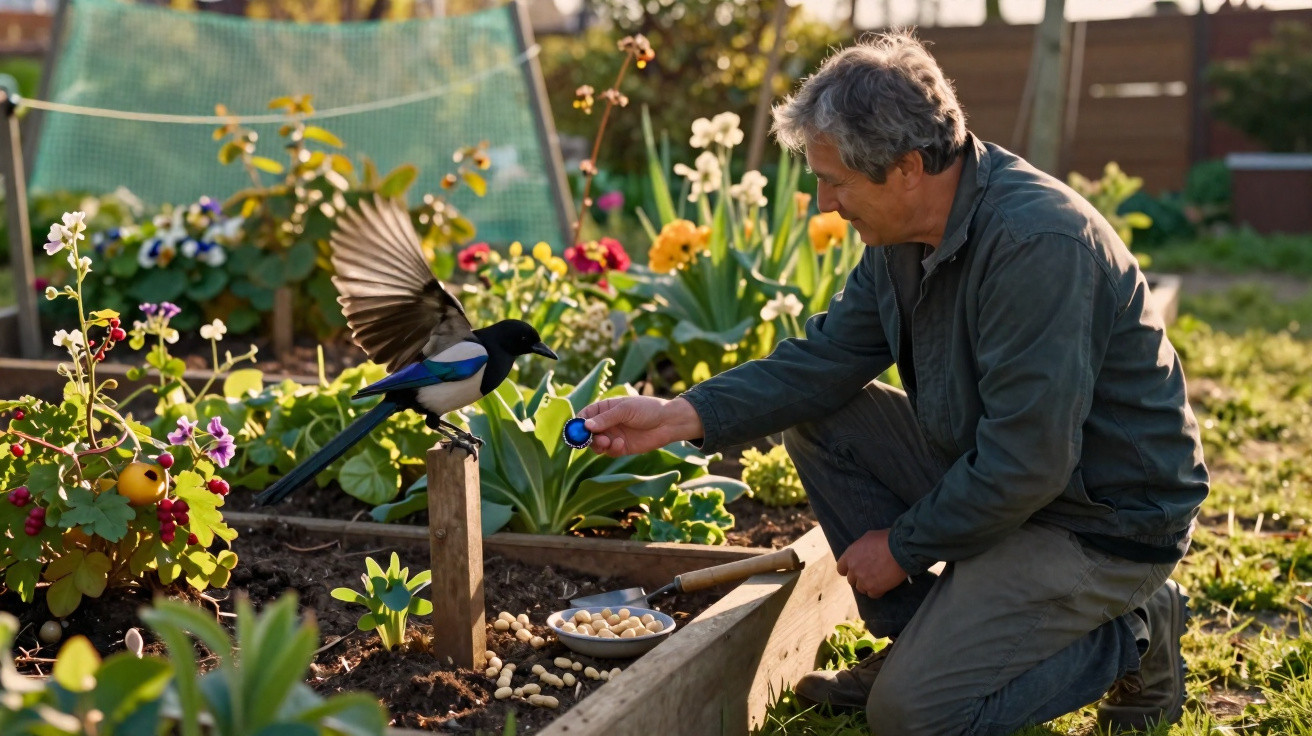
A black-and-white bird landed on the lawn, slightly gangly, with that unmistakably haughty hopping gait. My neighbour immediately flung open the window: “That magpie again! It steals everything!” She then slammed it shut, as though that could banish the bird from her life. I stayed where I was and watched. It strode through the flowerbeds, paused briefly, tilted its head, pulled something from the soil – and a large, fat grub disappeared into its beak. Suddenly, the “problem” looked very different. Perhaps we are driving exactly the wrong visitor from our gardens.
The garden’s most disliked helper: the magpie
We all know that uneasy feeling when a magpie perches on the fence and appears to stare at us provocatively. In many gardens, its reputation is clear: it is seen as a thief, a predator and a harbinger of bad luck. Few birds are chased away, hissed at or clapped away as readily as the magpie. Its striking plumage, long tail and piercing gaze seem more threatening to many people than a sweet little sparrow. Yet what happens behind the scenes is usually very different from what we assume. While we complain about the “noise” and its “danger to songbirds”, this bird is quietly tidying up our gardens.
Anyone who takes a few minutes to watch a magpie properly soon notices that it is constantly searching the ground for food. Grubs, slugs, beetles and carrion are all investigated meticulously. These are precisely the things we otherwise try to control with poison or countless traps. Gardeners report having noticeably fewer cockchafer grubs in the soil when magpies visit regularly. Suddenly, the “thief” seems more like an overzealous cleaner in the flowerbed: one nobody pays, yet who still turns up every day. Even when we would rather send it away.
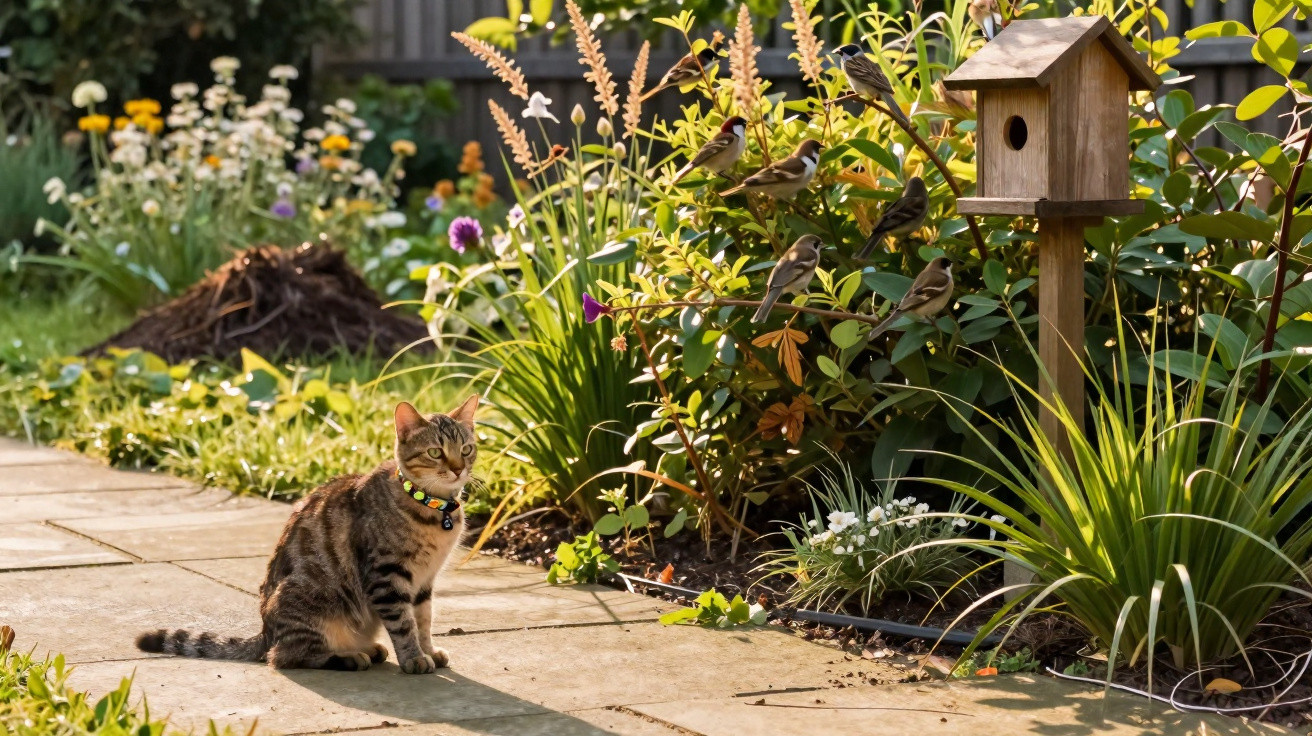
From a scientific perspective, the magpie is a highly intelligent member of the crow family with a key role in the ecosystem. It not only eats pests, but also clears away carrion, helping to reduce sources of disease. Yes, it occasionally raids nests – but studies show that cats, lawnmowers, lost habitats and glass surfaces cause songbirds far greater harm than magpies do. The sober truth is that the enemy of our garden birds is often more likely to stand on two legs than sit on a branch. Perhaps magpies simply stand out more because they are noisy, conspicuous and uncomfortably honest in their role as omnivores. Yet that is exactly what makes them one of the garden’s most valuable helpers.
How to turn a “nuisance” into an ally
Rather than constantly chasing magpies away, gardeners who make room for them deliberately can gain a kind of natural garden patrol. The first step is surprisingly straightforward: less control, more tolerance. Leave a few wild corners, dead wood and piles of leaves in place. The magpie can find food there without constantly working through your beds. A shallow water source – not a perfectly scrubbed ceramic fountain, but a sturdy bowl – is enough to attract it. Before long, it may patrol between the vegetable patch and compost heap, picking grubs from the ground and clearing scraps of carrion. A bird that appreciates a little mess suits a garden that is allowed to live rather than simply look immaculate.
Naturally, there are limits, and this is where frustration often arises. When a magpie eats young birds, it affects us emotionally. It can feel brutal, almost personal. Let us be honest: nobody wakes up thinking, “Today I’ll feed chicks to the corvids.” The problem is rarely the bird itself, but rather a romanticised idea of the garden as a place containing only cuddly creatures. Giving nests more protection – with hedges, thorny shrubs or climbing roses, for example – creates refuges for songbirds without demonising magpies. Empathy matters on both sides: for the tit in the nest box and for the magpie, which is simply trying to survive as well.
“The magpie is no angel, but neither is it a monster. It reflects our own ambivalence about the garden: we want nature, but preferably without blood, mud and shades of grey,” a biologist who has observed corvids for years told me.
- Accept that the magpie is an omnivore – that is precisely what makes it so useful.
- Create garden features that provide both hiding places for small birds and food sources for magpies.
- Avoid poisons wherever possible: the magpie works like a free biological pest-control service.
- Expect nature never to be “clean” – a living garden is always also a place of hunting and feeding.
- Watch the magpie consciously for a few days before judging it – many prejudices disappear simply by doing so.
A garden that can cope with more than postcard perfection
When speaking to older women gardeners, you often hear remarks such as, “There were more birds in the past,” or, “The garden could cope with all of that.” Perhaps that is exactly the key: being able to cope with more. A garden that tolerates magpies also accommodates more life – more insects, more aphids and more small dramas that cannot all be controlled. In return, something else grows: a sense of genuine, uncurated contact with nature. You begin to count not only flowers, but roles as well. Who eats whom, who clears away what, who maintains the balance? All at once, the magpie is no longer merely noise, but a character in a larger story.
Your perspective changes when you rearrange the stories you tell about the garden. The “evil magpie” becomes a pragmatic survivor, while we move from ruler to host. Perhaps one day you will no longer tell the neighbours about “the beast that took the chicks”, but about “the bird that keeps the cockchafer grubs off our backs”. Such a shift rarely begins with grand manifestos; it starts with quiet moments at the window. A black shadow on the lawn. A gleaming wing in the morning light. And a small question in your mind: what if I have been wrong all along?
| Key point | Detail | Benefit for the reader |
|---|---|---|
| Magpies as pest hunters | They eat grubs, slugs, beetles and carrion in the garden | Less need for chemicals, healthier soil and plants |
| Ambivalent role in the ecosystem | Both predator and helper, part of the natural balance | More realistic expectations of nature, less frustration in everyday gardening |
| Deliberate garden design | Wild corners, hedges, water sources and avoiding poisons | Greater biodiversity, a more resilient garden community and more enjoyment from observing wildlife |
FAQ:
Question 1: Do magpies really eat as many songbird chicks as people say? Research shows that magpies do raid nests, but the main losses among songbirds result from habitat loss, cats, glass panes and intensive garden maintenance. Magpies are visible predators rather than the most dangerous ones.
Question 2: Should I drive magpies out of my garden to protect other birds? Driving them away rarely solves the underlying issue. It is better to plant more shelter, hedges and dense shrubs so that small birds can build their nests more safely.
Question 3: Do magpies really steal jewellery and shiny objects? The myth persists stubbornly. In practice, magpies do occasionally take interesting items, but far less often than is commonly claimed – their focus is on food, not rings.
Question 4: How can I tell whether magpies are helping or harming my garden? Observe for a while: are there fewer cockchafer grubs in the lawn, less carrion and fewer slugs? If so, the magpie is more likely to be working for you, even if some scenes feel unpleasant.
Question 5: Can I deliberately attract magpies without causing conflict? With a water source, some structure such as hedges and less fuss in the garden, magpies usually arrive on their own. Feeding is unnecessary – a living garden is invitation enough.
Comments
No comments yet. Be the first to comment!
Leave a Comment